
Appointment rescheduling automation reclaims staff hours, cuts no-shows and keeps your calendar accurate without constant manual checking. It works through two core mechanisms: calendar sync that updates availability in real time and two-way messaging that lets clients confirm, decline or pick a new slot themselves. Done well, managers see fewer missed appointments, less admin time spent on the phone, and a CRM that reflects reality rather than yesterday's booking sheet.
TL;DR:
- Proper integration of calendar sync and data write-back is essential to prevent double bookings and maintain accurate appointment records.
- Interactive messaging with reschedule options significantly reduces no-shows by offering clients control and better engagement.
- Starting automation with a focused pilot on predictable services improves results and avoids widespread rollout failures.
- Automation effectiveness depends on ongoing monitoring and human intervention for high-risk cases, not on set-and-forget solutions.
- Choosing AI appointment systems tailored to your service type and ensuring staff buy-in are key to successful adoption and long-term benefits.
Table of Contents
- How appointment rescheduling automation works
- Business benefits and measurable outcomes
- Step-by-step implementation checklist for managers
- Integration and technical checklist for calendars and data
- Use cases across different service types
- Risks, privacy and adoption pitfalls to plan for
- What deployments actually teach managers
- What managers get wrong about rescheduling automation
- How Talk2Aiva handles rescheduling automation for you
- Sources
- FAQ
How appointment rescheduling automation works
Most rescheduling automation starts with a trigger: a client asking to move their slot, a cancellation, a no-show, or a staff change that wipes out a block of availability. Once triggered, the system needs to do four things well.
- Calendar sync: two-way availability matching prevents race conditions, so a slot can't be double-booked while two people view it at once.
- Two-way messaging: self-service reschedule links, chatbots or voice bots let clients act without waiting on hold, with a clear handover to a human when needed.
- Data hygiene: every reschedule should write back to the contact record, so your CRM stays consistent with what actually happened.
- Decision rules: lead time, past attendance and time-of-day scoring flag which bookings carry higher no-show risk.
That last point matters more than most managers expect. A client rescheduling three days out behaves very differently to one calling ten minutes before their slot, and treating both the same wastes effort.
Business benefits and measurable outcomes
The value of automation shows up in a handful of numbers you can actually track. Staff hours spent chasing reschedules by phone should fall once self-service links and bots absorb the routine requests, freeing your team for the calls that need a human.
No-show reduction is the outcome most managers care about first. Interactive reminders that let clients act (confirm, reschedule, request a callback) tend to land better than a flat one-way text, because patients and clients consistently ask for options rather than instructions, according to qualitative interviews with patients on appointment reminder usability.
A qualitative study on AI appointment management found that perceived accuracy and reminder usefulness were the main drivers of acceptance among patients and staff, while limited interactivity was the main barrier. That single finding should shape how you design every message you send.
- Fewer double bookings and cleaner reporting once reschedules sync properly.
- Faster confirmations mean fewer back-and-forth messages per booking.
- Faster, more accurate invoicing when the calendar reflects what actually happened.
Step-by-step implementation checklist for managers
Rolling out rescheduling automation works best as a staged pilot, not a big-bang switch.
- Map your existing tools: list your booking app, calendar, CRM and phone or SMS provider, and note where they already connect.
- Set your rules: decide acceptable lead times for self-service changes, any deposit or confirmation windows, and which changes need staff approval.
- Design the customer flow: place the reschedule link in reminders, script the bot's first few replies, and define exactly when it hands over to a person.
- Run a pilot: pick one service or shift, run it for four to six weeks, and track no-show rates, admin hours saved and client feedback.
- Scale and optimise: adjust message timing, remove friction where clients drop off, and tighten risk thresholds based on what the pilot shows.
Pro Tip: Pilot with your busiest, most predictable service first, not your most complex one. You'll get a clean read on what's working before you tackle edge cases.
A pilot that's too broad from day one is the most common reason rollouts stall, because it's hard to tell which change caused which result. Narrow scope first, then widen it once the reminder timing and flow are proven.
Integration and technical checklist for calendars and data
Before you switch anything on, confirm the mechanics will hold up under real use.
- Check your booking platform supports webhooks or API triggers for reschedules and cancellations, not just manual exports.
- Use genuine two-way calendar sync rather than one-way pushes, which is what causes double bookings when two systems disagree.
- Apply availability matching logic that accounts for staff skills, travel windows and buffers, not just an open slot.
- Build a daily reconciliation job that flags mismatches between the booking tool and the primary calendar before they become client complaints.
- Test edge cases deliberately: recurring appointments, multi-service bookings and overlapping slots all break naive sync logic. Reliable calendar sync setup is worth getting right once rather than firefighting weekly.
Use cases across different service types
The right automation design depends heavily on the type of appointment you're managing.
- Salons: a reminder with a reschedule link and pre-filtered available slots lets clients self-serve without calling, and supports the flows most salons already use.
- Clinics: risk scoring can trigger a staff call for high-risk patients instead of a generic link, reserving human effort for where it matters.
- Trades: when a job involves travel time, only show the same technician's remaining availability, so you avoid creating gaps in their route.
- Class bookings: group rescheduling needs waitlist logic built in, since one cancellation should automatically offer the slot to the next person in line, as covered in class booking automation.
Risks, privacy and adoption pitfalls to plan for
Automation fails quietly when adoption issues go unaddressed. Retain clear opt-in records for SMS and log consent wherever it's required, since privacy concerns are one of the barriers patients raise most often around AI appointment systems.
- Rigid, one-way reminders get rejected: build in reply options and a real reschedule path, not just a notification.
- Automation without monitoring creates hidden work: reconciliation jobs and alerts catch the mismatches before they reach a client.
- Staff buy-in matters early: involve the team that answers the phone before launch, not after.
- Interactive, context-aware flows consistently outperform blanket messaging, echoing what interviewed patients asked for in the Veterans Health Administration study.
What deployments actually teach managers
The most common misstep is piloting too broadly, followed closely by forgetting to write reschedule events back into the CRM, which quietly breaks reporting within weeks. The third is skipping measurement altogether and assuming the automation is working because complaints have dropped.

Guided onboarding tends to catch these before they cause damage, because someone with deployment experience checks the CRM writes and the reconciliation logic before go-live, rather than after a client complains about a missed slot.
What managers get wrong about rescheduling automation
The industry sells rescheduling automation as a set-and-forget fix, and that's the part worth pushing back on. The evidence points somewhere more specific: automation only earns its keep when it's interactive and monitored, not simply switched on.
The HRA's evaluation of an AI no-show predictor is the clearest example. It predicted accurately which patients were likely to miss appointments, but that accuracy alone didn't reduce no-show rates across the tested NHS Trusts. Prediction without a follow-up action changes nothing.

What did move the needle, on a small scale, was manual calling of high-risk patients, where most people who answered went on to attend or cancel properly. That's a resourcing problem as much as a technology one: automation should triage risk, then route the highest-risk cases to a human rather than trying to automate every single interaction equally.
If you're weighing up where to start, prioritise the two-way messaging and risk scoring before you worry about polish. A beautifully designed one-way reminder still gets ignored by the client who needed an option, not an instruction.
— James Paul
How Talk2Aiva handles rescheduling automation for you
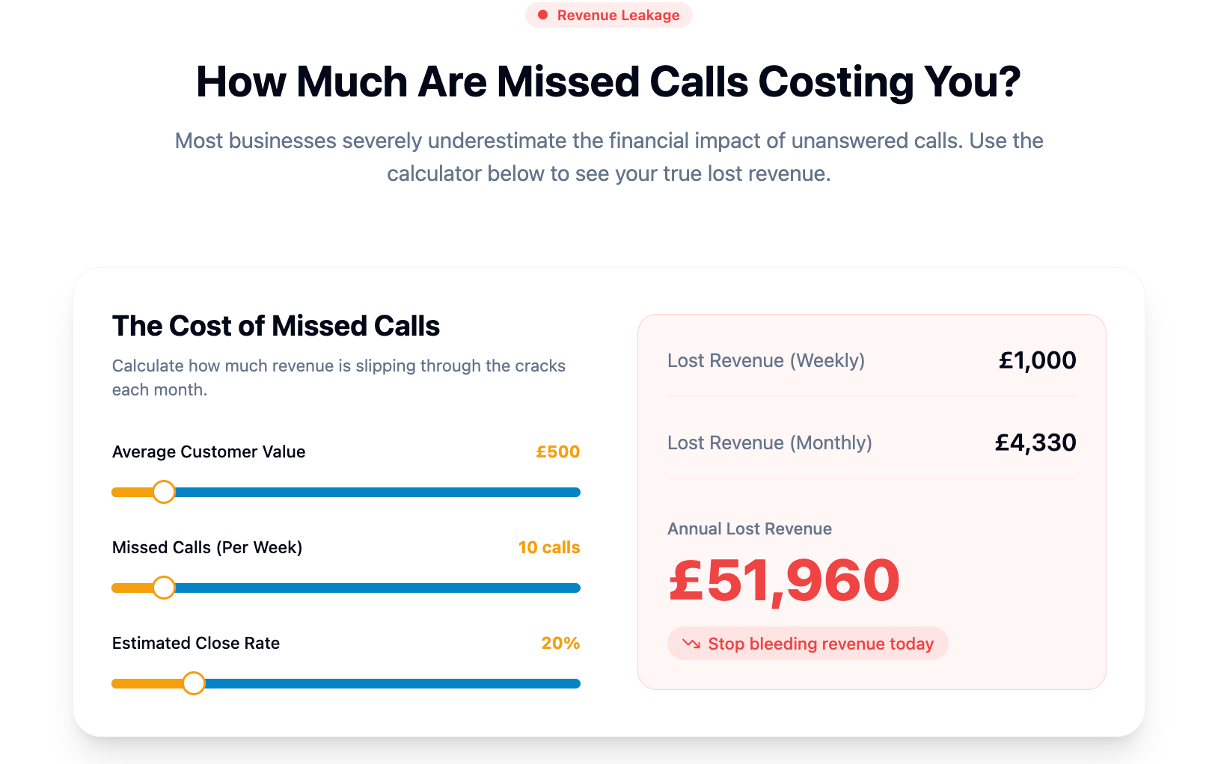
Some AI receptionist solutions provide guided setup rather than a DIY script to configure yourself, working as AI receptionists that answer calls, SMS, website chat, and social messages around the clock, booking and rescheduling appointments directly against your calendar with real-time sync, and following up automatically to help prevent missed actions.
- Can suit service-based businesses such as clinics, salons, trades, and legal firms that want this handled rather than built in-house.
- Setup, AI training, and ongoing optimisation are often included with some providers, reducing the need for teams to maintain scripts themselves.
Visit the Talk2Aiva plans to see the Software Suite, Ultimate AI Suite and Elite AI Suite, or check how the platform works before you book a demo.
Sources
- Artificial intelligence machine learning-driven outpatient appointment management: A qualitative study on acceptability
- Enhancing usability of appointment reminders: qualitative interviews of patients receiving care in the Veterans Health Administration
- Testing an AI appointment management system - Health Research Authority
FAQ
How can I automate appointment scheduling?
Connect your booking platform to a calendar with genuine two-way sync, then add automated reminders with a self-service reschedule link. Layer in risk scoring so high-risk bookings get a call rather than just a text, and make sure every change writes back to your CRM.
What is a good message to reschedule an appointment?
The most effective messages offer a choice rather than an instruction, such as confirming, rescheduling or requesting a callback in one reply. Patients interviewed in the Veterans Health Administration study specifically asked for interactive options over rigid one-way reminders.
What is the best software for appointment scheduling?
There's no single best system: the right choice depends on whether you need a simple booking calendar or a full AI receptionist handling calls, texts and rescheduling together. Talk2Aiva is built for the latter, with guided setup and calendar sync included from the start.
What is the most commonly used appointment scheduling system?
There's no publicly confirmed figure on which specific system dominates across industries, since usage varies heavily by sector and country. Most businesses choose between a standalone booking calendar, a CRM with scheduling built in, or a conversational AI system that handles booking and rescheduling together.