
Client intake automation uses forms, phone, chat and SMS together with workflow rules to capture, qualify and route new enquiries without manual chasing. It stops leads slipping through the gaps and frees your team from repetitive admin. The best first move is to map your current intake workflow, or to bring in a guided implementation if you want it done for you.
TL;DR:
- Focusing on high-volume enquiry channels first yields the fastest return on automation investment and reduces manual follow-up time significantly.
- Automation systems should connect seamlessly to your calendar, CRM, and document storage, enabling smooth booking, qualification, and messaging without human intervention.
- Implementing data protection safeguards such as collecting only necessary information and providing clear options for human review is essential, especially when AI scores or routes enquiries automatically.
- Tracking key metrics like time to first contact, contact-to-book rate, and intake completion helps identify workflow inefficiencies and guide continuous improvements.
- Using a guided AI receptionist accelerates deployment and ensures compliance, especially suited for high-volume operations or limited technical staff.
Table of Contents
- What client intake automation actually covers
- How automation improves intake: the business case
- Five steps to set up client intake automation
- AI lead qualification and your data protection obligations
- Choosing the right tools: an evaluation checklist
- Metrics that show whether your intake is working
- What a guided AI receptionist adds to the process
- When a managed route beats building it yourself
- How to get started with Talk2Aiva
- FAQ
- Sources
What client intake automation actually covers
Intake automation starts wherever a prospect first reaches you: a web form, an inbound call, a chat widget or a text message. Each channel feeds the same workflow, triggered the moment someone submits details or asks a question.
The core functions are capture, qualification, routing, booking and document collection. Capture grabs the basics (name, contact details, service needed). Qualification applies rules or AI scoring to work out fit and urgency. Routing sends the enquiry to the right person or team. Booking offers calendar slots automatically. Document collection gathers anything needed before a first conversation.

It helps to keep intake and onboarding separate. Intake is about gathering enough to decide whether to engage a prospect and open a file. Onboarding starts once that prospect has actually become a client, as this onboarding automation guide sets out. Blurring the two means doing unpaid work for people who were never going to sign up.
How automation improves intake: the business case
Speed is the biggest win. A prospect who gets a response within minutes is far more likely to book than one who waits a day, so automated capture and instant replies directly lift your contact-to-book rate.
Manual data entry is where intake usually breaks down: rekeyed details, missed fields, forgotten follow-ups. Automation removes most of that, which means fewer errors and more consistent communication across every enquiry, whatever time it arrives.
In practice, this looks like:
- Fewer missed calls because an AI receptionist or chatbot answers every time, day or night.
- Automated confirmation messages that remove the need for a staff member to chase every booking.
- Less time spent per new enquiry, because qualification and routing happen before a human ever gets involved.
Five steps to set up client intake automation
Treat this as a build order. Each step depends on the one before it, so work through them in sequence rather than jumping to the tools.
- Map your current intake. Write down every channel a prospect can use to reach you, and define what "complete" looks like for each service you offer, because a complex legal matter needs different information from a quick salon booking.
- Choose capture points and design the forms. Pick the channels you'll automate first (web form, phone, chat) and keep required fields to the minimum that lets you make a decision.
- Encode qualification and routing logic. Set clear rules or scoring criteria, decide which enquiries route automatically and which need a human to review before any reply goes out.
- Integrate calendar, CRM and document storage. Connect booking to your calendar, push qualified leads into your CRM, and automate confirmation and reminder messages so nothing depends on someone remembering to send them.
- Test live, train the AI, then monitor and document. Run it with real enquiries, adjust based on what breaks, and keep a record of how the system decides things, since that record is exactly what a DPIA or audit will ask for.
Pro Tip: Start with your highest-volume enquiry type first. Fixing the busiest channel gives you the fastest, most visible return before you touch anything else.
AI lead qualification and your data protection obligations
Once you let AI score or route enquiries automatically, UK GDPR obligations kick in. A Data Protection Impact Assessment is likely required when intake involves systematic profiling or automated decisions with significant effects on someone, and it needs to document data flows, where humans get involved, and the system's accuracy and margins of error, according to ICO guidance on AI accountability.
You also have transparency duties under Articles 13 and 14: your privacy notice has to say when AI is involved in deciding how an enquiry is handled, and where a decision is made solely by automation with a significant effect, individual rights guidance from the ICO confirms people have a right to ask for human review.
Practical safeguards worth building in from day one:
- Collect only the data you genuinely need to qualify an enquiry.
- Give every prospect a clear route to request human review of an automated decision.
- Keep records of processing and check your AI supplier's contract covers its role as a data processor.
Significant decisions made solely by AI carry a right to human intervention under Article 22, per ICO's framework for explaining AI decisions, which means a documented appeal path isn't optional.
Choosing the right tools: an evaluation checklist
Before you commit to any platform, get clear answers on integrations, support and data handling. Ask suppliers directly rather than relying on marketing copy.
- Does it connect to your calendar, CRM, phone system (SIP), SMS provider and document storage through secure APIs?
- Is onboarding guided, with proper AI training and ongoing optimisation included, or are you left to configure it yourself?
- Who is the data controller and who is the processor, where is data stored, and what does the contract say about SLAs and audit access?
A platform like Talk2Aiva's instant lead qualification approach shows how routing and escalation logic can be built around these answers rather than bolted on afterwards.
Metrics that show whether your intake is working
Track time to first contact, contact-to-book rate, intake completion rate and no-show reduction. These four numbers tell you more about a broken workflow than almost anything else you could measure.
Run small experiments to improve them: cut a form down to fewer fields, change when a follow-up message sends, or reword an escalation prompt so it sounds less like a bot and more like a person. Each test should move one of your core metrics.
Your intake logs double as your compliance record. Reviewing them regularly keeps your DPIA current and surfaces operational problems before they become client complaints.

What a guided AI receptionist adds to the process
Building all five steps yourself takes time, and getting the compliance side wrong is expensive to fix later. Talk2Aiva by SWASCO provides a guided AI receptionist that handles capture, qualification, routing and booking across calls, text, chat and social media, with onboarding, AI training and ongoing optimisation built into the service rather than left to you.
That guided setup shortens the time between deciding to automate and actually having a working, compliant system live. For deeper detail on training the AI itself, see this chatbot training guide and this lead qualification walkthrough.
When a managed route beats building it yourself
Businesses with high enquiry volume, limited technical staff or real exposure to automated-decision rules usually do better with a guided implementation than a DIY build. Smaller operations with simple, low-risk intake can often manage a basic setup themselves.
If a DPIA flags significant effects on individuals, pause any DIY launch until that review is complete. The trade-off is straightforward: DIY is cheaper upfront but slower and riskier; managed implementation costs more but gets you live faster with the compliance groundwork already handled.
— James Paul
How to get started with Talk2Aiva
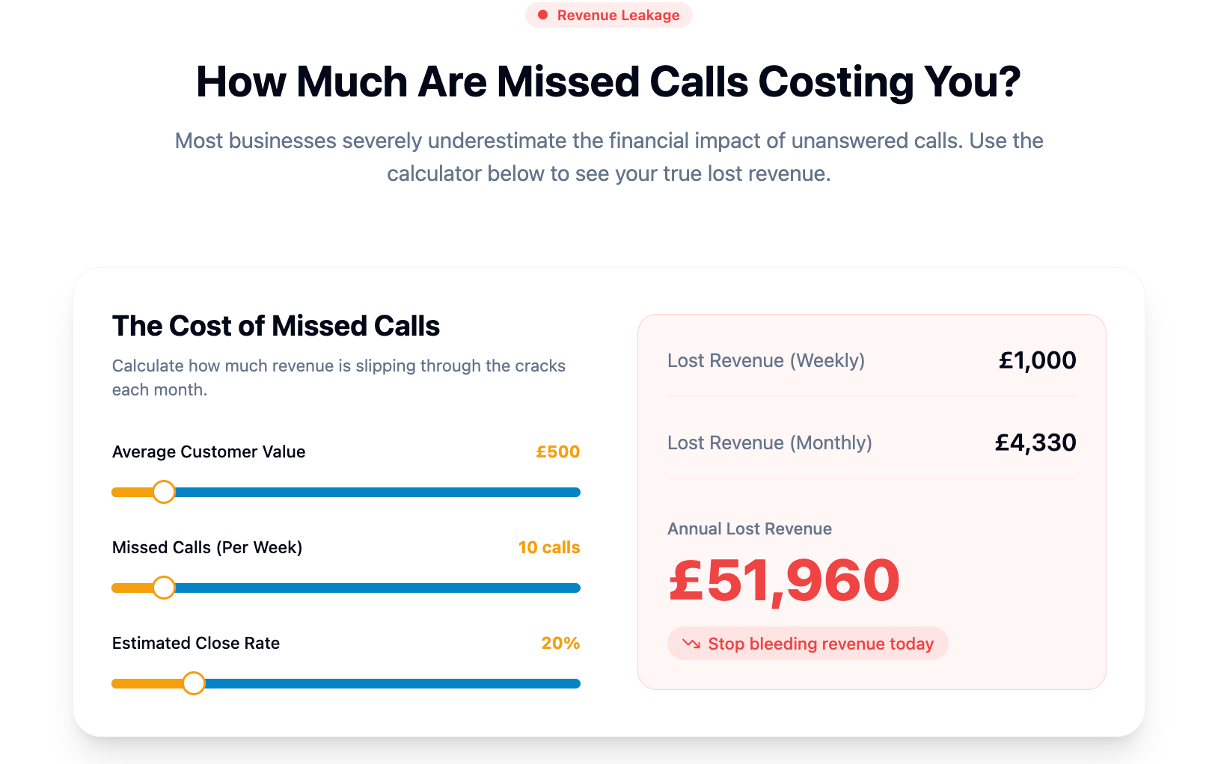
A guided AI receptionist answers every call, text, chat and social enquiry for your business around the clock, qualifies and routes each one, books the appointment, and follows up automatically, so you stop losing revenue to missed calls and slow replies.
Plans come in several tiers, each including guided onboarding and technical support. If you want the five-step process above handled for you rather than built from scratch, visit Swasco to see pricing and book a demo. This route suits businesses that want to move fast without managing the technical build themselves.
FAQ
How can I create intake forms for clients?
Start by listing the minimum information you need to decide whether to take on a client, then build a short form around just those fields. Keep language plain, explain briefly how submitted information will be used, and test the form with a handful of real enquiries before rolling it out, a point echoed in this practical AI guidance for service professionals.
How can I automate client onboarding?
Automated onboarding begins once a prospect has formally become a client, using triggers that send welcome documents, collect signatures and schedule a first session without manual chasing. It should stay separate from intake so you're never doing unpaid onboarding work for people who haven't yet committed, as explored in this overview of client onboarding practice.
What is the best client intake software for law firms?
There's no single best option: the right choice depends on call volume, integration needs with your case management system and how much guided setup you want included. Look for a platform that handles qualification, routing and calendar booking together, and confirm it supports the data protection safeguards covered above before you commit.
What should be on a client intake form?
A good intake form covers contact details, the service or matter type, urgency, and any information needed to assess fit, nothing more. Keep it short: every extra field reduces completion rates without necessarily improving the quality of the decision you make from it.