
The role of AI in small pet businesses is to automate routine tasks, personalise customer experiences, and optimise marketing spend so that owners can focus on what they do best: caring for animals and building relationships. Conversational AI, machine learning, and marketing automation are no longer reserved for large retailers. As of April 2026, 82% of US small businesses have invested in AI tools, typically running a median of five simultaneously. That figure signals a shift in what is now considered standard practice, not a competitive edge. For pet shops, grooming studios, and veterinary-adjacent services, the tools available today, including ChatGPT, Claude, and Klaviyo, are genuinely within reach and delivering measurable results.

How does AI improve customer engagement in small pet businesses?
AI-powered customer service is the fastest win available to small pet business owners. AI customer service agents can resolve up to 67% of enquiries automatically in pet retail, covering questions about stock availability, grooming appointments, and product recommendations without a human picking up the phone. That frees your team to handle the nuanced conversations that actually build loyalty.
Personalised marketing is where the real revenue lives. Tools like Klaviyo segment your customer list by pet type, purchase history, and visit frequency, then send targeted campaigns automatically. A cat owner receives flea treatment reminders. A dog owner gets seasonal grooming offers. This level of specificity is not possible at scale without AI, and it produces measurably better open rates and conversions than generic newsletters.
Predictive reorder campaigns are a particularly underused tactic in pet retail. One retailer with 9,459 subscribers generated over £159,000 per month using AI-driven reorder prompts timed to typical product consumption cycles. The AI calculates when a customer is likely running low on food or flea treatment and sends a timely nudge. That is customer retention automation working silently in the background.
- Chatbots handle FAQs, booking confirmations, and after-hours enquiries via website chat or social media
- Klaviyo and similar tools automate segmented email and SMS campaigns by pet type or purchase behaviour
- Lyro AI provides conversational support trained on your product catalogue and service menu
- Astro Loyalty automates loyalty tracking, replacing paper punch cards and recovering manufacturer reimbursements lost to manual errors
Pro Tip: Use AI to reference a customer's pet by name in automated messages. "Hi Sarah, it's nearly time for Biscuit's next flea treatment" outperforms any generic promotional email. The emotional connection is real, and the technology to deliver it costs less than a part-time receptionist.
In what ways does AI streamline operations for small pet businesses?
Operational efficiency is where AI quietly compounds its value over time. Scheduling tools powered by AI, such as those integrated with Google Calendar or booking platforms, can predict peak demand periods, suggest optimal staff rotas, and send automated reminders to reduce no-shows. For a small grooming studio or pet daycare, even a 10% reduction in no-shows has a direct impact on monthly revenue.
Inventory management is another area where AI removes significant manual labour. Image recognition technology can automate product categorisation when new stock arrives, while AI agents monitor stock levels and trigger reorder alerts before you run out of popular lines. This is particularly valuable for pet shops carrying hundreds of SKUs across food, accessories, and healthcare products.
Financial management has been transformed by tools like Claude for Small Business, which can automate 15 key financial and operational tasks directly within platforms like QuickBooks. Designed for teams of 1 to 50 people, it requires hours rather than months to set up. Payroll, invoicing, and cash flow forecasting can all be handled with minimal manual input, which matters enormously when you are running a business with a small team.
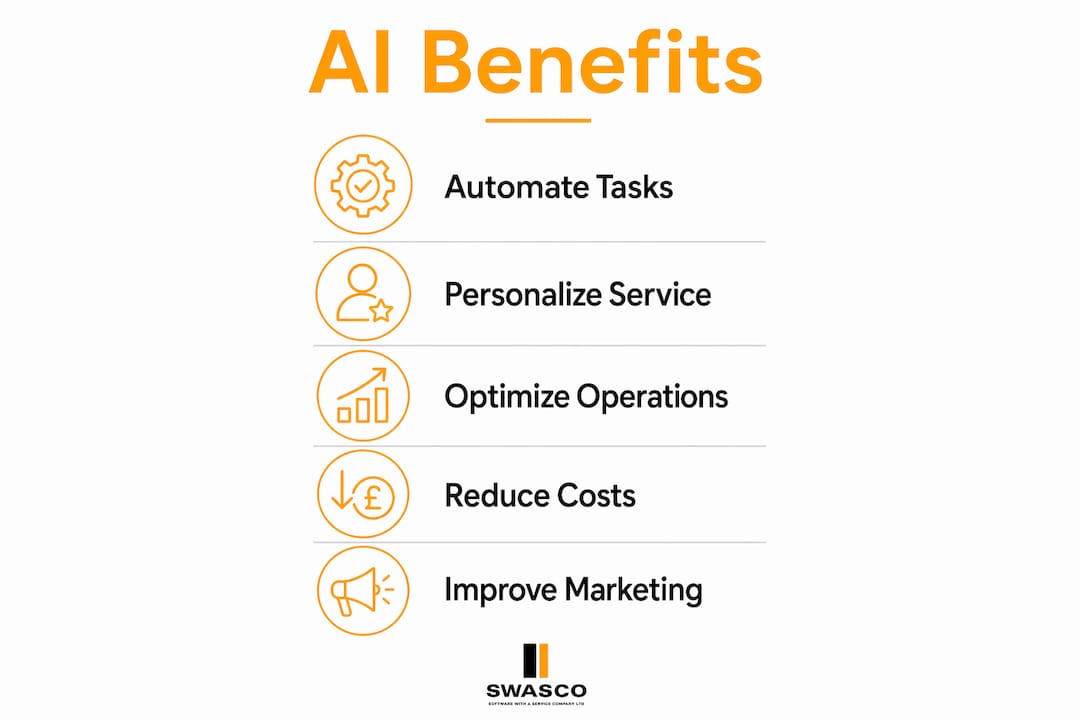
The critical principle here is integration. Effective AI adoption bundles multiple tools that share context across CRM, inventory, and marketing rather than running isolated systems. A chatbot that cannot see your booking calendar, or a loyalty programme disconnected from your email platform, creates data silos that undermine the efficiency gains you are trying to achieve.
Pro Tip: Start with one AI tool that addresses your single biggest time drain. If you spend two hours a week on appointment reminders, automate that first. Once you see the time return, you will have the confidence and the data to build out the rest of your AI stack.
How does AI-driven marketing reduce acquisition costs in pet services?
Pet services businesses using AI-powered Google Ads bidding see 45% lower customer acquisition costs and 3.2 times more bookings compared to manual campaign management. Those are not marginal improvements. A 40 to 60% reduction in cost per acquisition within four to six weeks of adoption changes the economics of running paid advertising for a small business entirely.
The mechanism is dynamic bidding. AI adjusts your bids in real time based on local competitor activity, seasonal demand shifts, and the specific service being advertised. A grooming studio bidding on "dog grooming near me" in December needs a different strategy than in July. AI handles those adjustments automatically, without you logging into Google Ads every morning.
Multi-service businesses benefit particularly from AI-managed campaigns. A pet shop offering grooming, boarding, and retail products cannot run a single bidding strategy across all three. AI allocates budget dynamically to the service with the highest conversion probability at any given moment, which is something manual management simply cannot replicate at speed.
| Metric | Traditional ad management | AI-optimised ad management |
|---|---|---|
| Customer acquisition cost | Baseline | 40–60% lower |
| Bookings generated | Baseline | Up to 3.2x more |
| Ad click-through rate | Baseline | 25–40% improvement |
| Time to results | Ongoing manual effort | 4–6 weeks post-adoption |
Real-time competitor monitoring is a further advantage. AI tools for pet services track competitor ad activity and adjust your creative and bids accordingly, increasing bookings by up to 85% in competitive local markets. For a small pet business competing against national chains, that kind of responsiveness is a genuine leveller.
Pro Tip: Pair AI-managed Google Ads with hyper-local content targeting specific neighbourhoods rather than broad city-level keywords. "Dog grooming in Hackney" converts better than "dog grooming London" and costs less per click. AI can identify these micro-opportunities faster than any manual audit.
What challenges should small pet businesses consider when adopting AI?
The most common mistake in AI adoption is treating a single tool as a complete solution. Most failures come from deploying a standalone chatbot or a single automation without connecting it to the rest of the business. The chatbot answers enquiries but cannot book appointments. The loyalty programme runs separately from the email platform. The result is more complexity, not less.
Over-adoption for appearance rather than measurable benefit is a real risk. Operators should prioritise measurable operational improvements when adopting AI, rather than adopting it to appear modern. Every tool you add should have a clear metric attached to it: fewer missed calls, lower cost per booking, higher email open rates. If you cannot measure it, you cannot justify it.
Content quality is another area requiring care. Generic AI-generated marketing copy performs poorly in local pet services. Localised SEO content targeting specific neighbourhoods and communities outperforms broad AI content strategies in both engagement and conversion. AI can help you produce that content faster, but the local knowledge and authentic voice must come from you.
"Top AI products in pet care sell an emotional benefit, but scientific validation of emotional AI is still lacking." This matters because it means you should be cautious about AI tools that promise to decode your customers' pets rather than tools that demonstrably improve your business operations and marketing performance.
The balance between automation and human expertise is non-negotiable. AI replaces repetitive tasks but does not replace the business owner. The relationships you build with pet owners, the trust you earn through consistent service, and the expertise you bring to animal care are competitive advantages that no algorithm replicates.
Which AI tools are best suited for small pet businesses?
The right AI stack for a small pet business depends on your biggest operational bottleneck. Here is a practical overview of the tools most relevant to pet shops and pet service providers:
- ChatGPT and Claude: Content creation, customer communication drafts, product descriptions, and general business writing. Claude for Small Business integrates directly with QuickBooks and PayPal for financial automation.
- Klaviyo: Email and SMS marketing automation with AI-driven segmentation by pet type, purchase history, and customer behaviour.
- Lyro AI: Conversational customer service trained on your specific product and service catalogue, handling enquiries around the clock.
- Astro Loyalty: Loyalty programme automation replacing manual punch cards, with manufacturer reimbursement tracking built in.
- Google Local Services Ads with AI bidding: Automated local advertising optimised for pet services, with dynamic budget allocation across multiple service types.
The AI tools for salon client retention used in adjacent service industries follow the same principles and offer useful cross-industry lessons for pet grooming and daycare operators. Similarly, automation in rental businesses demonstrates how financial and scheduling automation scales across small service businesses with comparable operational structures.
For CRM and relationship management, AI-native CRM platforms designed for small businesses offer a lightweight way to track customer interactions, automate follow-ups, and maintain the personal touch that pet owners expect. Pairing a CRM with a lightweight email integration means your marketing and customer data stay in one place rather than scattered across disconnected tools.
Pro Tip: Test any new AI tool on your most time-consuming manual task for 30 days before expanding. If it saves you two hours a week, that is over 100 hours a year returned to client relationships, service quality, and business development.
Key takeaways
AI tools deliver the greatest return for small pet businesses when they are integrated into a connected workflow rather than deployed in isolation.
| Point | Details |
|---|---|
| Start with one clear problem | Identify your biggest time drain and automate that first before building a wider AI stack. |
| Integration beats isolation | Connect your CRM, booking, loyalty, and marketing tools so they share data and compound results. |
| AI-driven ads cut costs sharply | Pet services businesses report 40 to 60% lower acquisition costs within weeks of adopting AI bidding. |
| Local content outperforms generic | Hyper-local, neighbourhood-specific content converts better than broad AI-generated marketing copy. |
| Measure every tool | Attach a clear metric to each AI adoption. If you cannot measure the benefit, reconsider the investment. |
Why I think most pet businesses are still leaving money on the table
I have worked with service businesses across multiple sectors, and the pattern I see most often in pet businesses is the same: owners are busy, genuinely skilled at what they do, and deeply reluctant to hand anything over to a machine. That reluctance is understandable. Your reputation is built on personal service and trust.
But here is what I have observed consistently. The businesses that adopt AI gradually, starting with one automated process and measuring the result, almost always find that the time they recover goes straight back into the things they are actually good at. More time with clients. Better service quality. Clearer thinking about where the business is going.
The businesses that resist entirely are not protecting their personal touch. They are spending their best hours on appointment reminders and invoice chasing. That is not a competitive advantage. It is a cost.
The data backs this up. A 45% reduction in customer acquisition costs is not a marginal gain. It is the difference between a marketing budget that works and one that drains. The pet industry is growing, competition from national chains and online retailers is real, and the owners who build an efficient AI-supported operation now will be significantly harder to displace in three years' time.
Start small. Measure everything. Build from there.
— James Paul
Stop missing bookings and losing revenue in your pet business
If you run a pet shop, grooming studio, or pet care service and you are still relying on manual calls, paper records, or generic email blasts, you are losing bookings every single week. Talk2Aiva by SWASCO is built for exactly this situation.
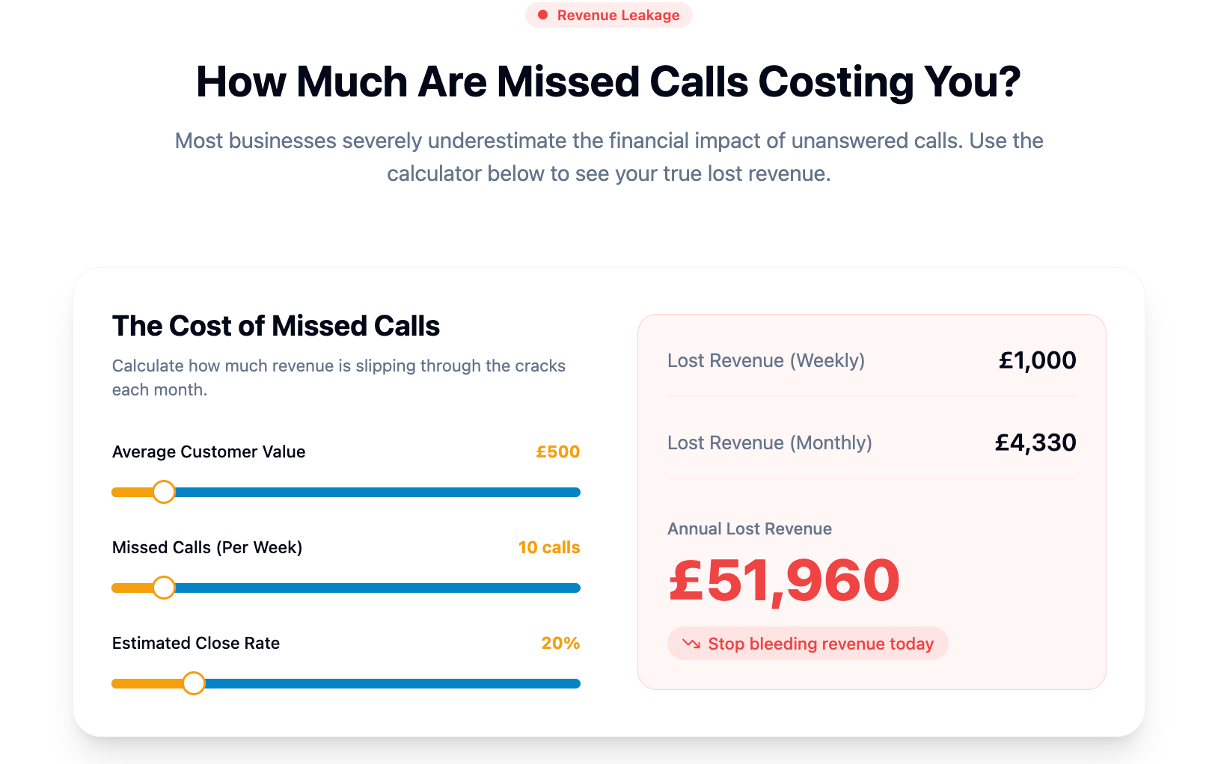
Talk2Aiva acts as your AI receptionist, handling enquiries, qualifying leads, booking appointments, and following up with customers 24 hours a day across calls, text, website chat, and social media. The entire setup is guided, from onboarding and AI training through to live launch and ongoing support. You do not need technical expertise. You need a system that works while you focus on your animals and your clients. Explore sales and marketing automation built for service businesses like yours.
FAQ
What is the role of AI in small pet businesses?
AI in small pet businesses automates customer enquiries, personalises marketing, manages loyalty programmes, and optimises advertising spend. The primary benefit is time recovery and measurable cost reduction across operations and marketing.
How much can AI reduce customer acquisition costs for pet services?
Pet services businesses using AI-powered Google Ads bidding report 40 to 60% lower customer acquisition costs within four to six weeks of adoption, alongside up to 3.2 times more bookings.
Which AI tools are most useful for small pet shops?
ChatGPT and Claude handle content and financial automation, Klaviyo manages email and SMS marketing, Lyro AI provides customer service, and Astro Loyalty automates loyalty tracking. The best starting point depends on your biggest operational bottleneck.
Does AI replace the personal service that pet businesses rely on?
AI replaces repetitive tasks such as appointment reminders, invoice processing, and FAQ responses. It does not replace the expertise, trust, and relationships that define a successful pet business. Those remain a human advantage.
How do I start integrating AI into my pet business without disrupting operations?
Start with one tool that addresses your most time-consuming manual task and run it for 30 days before expanding. Measure the time and cost saved, then build your AI stack gradually from that foundation.