
Lead nurturing in real estate is defined as a structured, multi-channel communication process that guides prospects from initial enquiry through to a completed transaction. Without it, 80% of new leads never convert, regardless of how much you spent acquiring them. HubSpot research shows that nurtured leads produce 50% more sales-ready opportunities at 33% lower cost per lead. That is not a marginal gain. It is the difference between a pipeline that grows predictably and one that leaks revenue every month. For real estate professionals, understanding how to nurture leads is no longer optional. It is the core skill separating agents who scale from those who stagnate.
What is lead nurturing in real estate and why does it work?
Lead nurturing, known in broader sales practice as prospect development or pipeline cultivation, is the deliberate process of maintaining relevant, timely contact with potential buyers and sellers until they are ready to act. The industry term used by platforms like RealScout and HubSpot is "lead nurturing," and it applies directly to real estate because property decisions rarely happen quickly.
The foundational reason it works is simple: most leads are not ready to transact when they first enquire. A buyer browsing listings in January may not be ready to make an offer until September. Without a structured system keeping you present and credible during that gap, they will work with whoever stayed in touch. Lead nurturing positions agents as trusted advisors early, which shortens sales cycles and improves business growth predictability.

The importance of lead nurturing also shows up in cost efficiency. Acquiring a new lead costs money, whether through Rightmove advertising, Google Ads, or referral programmes. Letting that lead go cold because of poor follow-up wastes that acquisition spend entirely. A nurturing system turns your existing lead database into a compounding asset rather than a one-shot opportunity.
How to nurture real estate leads: key frameworks and strategies
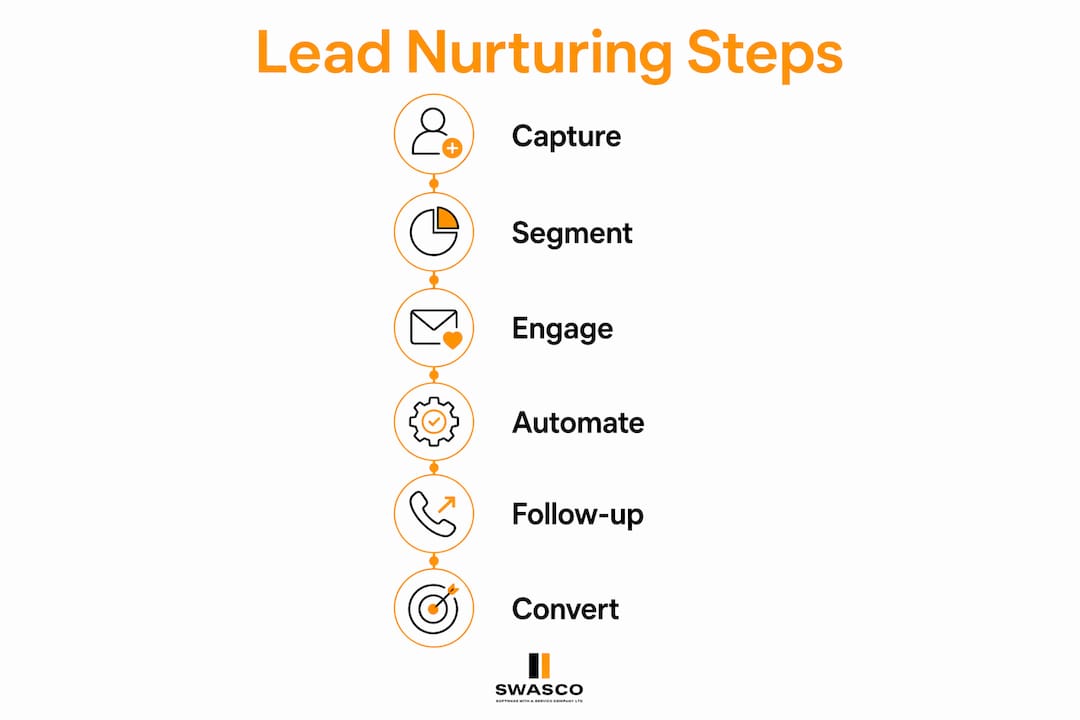
Effective real estate lead management starts with segmentation. The ABCD tier framework is the most practical tool for this.
- A-tier leads are ready to transact within 30 days. They need immediate personal contact, not automated sequences.
- B-tier leads are engaged and researching actively, typically within a 90-day window. They benefit from a mix of automated content and periodic personal calls.
- C-tier leads are early-stage, browsing without urgency. Consistent, low-frequency nurturing keeps you relevant without overwhelming them.
- D-tier leads are dormant or unresponsive. They require re-engagement campaigns triggered by specific behavioural signals, such as returning to your website or reopening an email.
Speed of first response matters enormously. Research consistently shows that responding within five minutes of an initial enquiry dramatically increases the likelihood of a conversation. Waiting even 30 minutes reduces that probability by over 90%. This is where most agents lose leads before nurturing even begins.
Common mistakes in real estate lead management include treating all leads identically, sending the same email to a first-time buyer and a seasoned investor, and abandoning follow-up after two or three attempts. Agents frequently misdiagnose leads as 'bad' when the actual problem is the absence of a structured conversion framework.
Pro Tip: Set up a simple lead triage process on the day a lead arrives. Assign it to an ABCD tier immediately, then trigger the appropriate sequence. Doing this within the first hour prevents leads from falling into a generic pile where they are forgotten.
Automation and personal engagement: how to balance both
The most effective lead nurturing strategies in 2026 combine automated systems with well-timed human contact. Neither works as well alone.
Automation handles the heavy lifting:
- Sending a welcome email sequence within minutes of an enquiry
- Triggering follow-up messages when a lead views a property listing multiple times
- Scheduling monthly market update emails to C-tier and D-tier leads
- Re-engaging dormant contacts when they show renewed activity
Automation reliably manages timing and sequencing at scale, which frees agents to focus on conversations that actually close deals. Tools like HubSpot CRM, Follow Up Boss, and Salesforce allow you to build trigger-based workflows that respond to lead behaviour without manual input.
The critical transition point is recognising when automation should hand off to a person. When behavioural signals indicate readiness, such as repeated property views, clicking on mortgage calculator links, or opening multiple emails in a short period, a personal call or message converts far better than another automated sequence. High-performing systems couple automated content delivery with these timely, personalised calls.
Choosing the right CRM is not about finding the most feature-rich platform. It is about finding one your team will actually use consistently. A well-maintained database in a simple CRM outperforms a neglected one in an enterprise system every time. For letting agents and property managers, automation in the rental business has become a standard practice, not a competitive advantage.
Pro Tip: Review your CRM data every quarter. Leads that have been sitting untouched for 60 days or more are prime candidates for a re-engagement campaign. A single relevant message, timed to a market event or a property price change in their area of interest, can restart a conversation that was assumed dead.
Which communication channels work best for nurturing leads?
Multi-channel nurturing campaigns achieve a 55 to 65% response rate, compared to 15 to 20% from single-channel efforts. That gap reflects a straightforward reality: different leads prefer different channels, and meeting them where they are increases engagement.
| Channel | Strength | Best use case |
|---|---|---|
| SMS | Up to 98% open rate for initial contacts | First response, appointment reminders, urgent updates |
| Scalable, content-rich, trackable | Nurture sequences, market reports, property alerts | |
| Phone call | Highest conversion for ready leads | A-tier follow-up, re-engagement after behavioural triggers |
| Physical mail | Stands out, high perceived value | Long-term nurture, premium property campaigns |
| Social media | Broad reach, brand building | Awareness, retargeting, community engagement |
SMS deserves particular attention for initial outreach. Its near-universal open rate makes it the most reliable channel for getting a first response. Email works best for delivering value over time, particularly market data, neighbourhood guides, and property alerts tailored to a lead's stated preferences. Phone calls remain the most effective channel for converting A-tier leads who are actively ready to move.
Physical mail is underused and underrated. A well-designed property brochure or a personalised letter sent to a lead who has been browsing a specific postcode for three months creates a tangible impression that digital channels cannot replicate. For WhatsApp automation in real estate, the combination of instant messaging and automated follow-up sequences is proving particularly effective for agents managing high volumes of enquiries.
How to build a long-term real estate lead nurturing system
Real estate sales cycles typically run 12 to 18 months. A nurturing system that runs out of content or contact after six weeks leaves the majority of your pipeline unattended. Sustaining relevant contact for up to 18 months requires deliberate content planning and cadence control.
A practical content cadence looks like this:
- Weeks 1 to 2: Three to five emails covering your value proposition, local market overview, and a relevant property selection based on stated preferences.
- Months 1 to 3: Two to three emails per month covering market updates, buyer or seller guides, and case studies from recent transactions.
- Months 3 to 12: One to two emails per month, supplemented by SMS check-ins and behavioural trigger responses.
- Months 12 to 18: Quarterly personal outreach combined with automated market anniversary messages and price change alerts.
Content must be segmented by intent stage and property interest to remain relevant. Sending a first-time buyer guide to an experienced landlord, or a rental investment report to someone searching for a family home, signals that you are not paying attention. That erodes trust faster than silence.
Measuring the performance of your nurturing programme requires tracking the right metrics. The table below outlines the most useful ones.
| Metric | What it tells you |
|---|---|
| Lead-to-conversation rate | How many leads are progressing to a meaningful dialogue |
| Time to conversion | How long your average lead takes to transact from first contact |
| Email open and click rate | Whether your content is relevant and your subject lines are working |
| Re-engagement rate | How effectively you are reactivating dormant leads |
| Revenue attribution | Which nurturing sequences are directly linked to closed deals |
Dormant leads often transact later. Research shows that 42.83% of cold leads eventually convert when re-engaged based on behavioural triggers. That figure alone justifies maintaining a long-term nurturing programme rather than writing off leads after a few months of silence.
Key takeaways
Effective lead nurturing in real estate requires a structured, multi-channel system that responds to lead behaviour and sustains contact across a typical 12 to 18 month sales cycle.
| Point | Details |
|---|---|
| Define and segment leads immediately | Use the ABCD tier framework to assign every new lead to the right sequence on day one. |
| Respond within five minutes | Speed of first response is the single biggest factor in whether a lead engages at all. |
| Combine automation with personal contact | Automate routine sequences, then trigger personal calls when behavioural signals indicate readiness. |
| Use multiple channels | Multi-channel campaigns achieve 55 to 65% response rates versus 15 to 20% from single channels. |
| Sustain contact for 18 months | Most leads need 12 to 18 months of nurturing before they are ready to transact. |
Why most agents get lead nurturing wrong
After working with real estate professionals across different markets, the pattern I see most often is not bad leads. It is abandoned leads. An agent receives 50 enquiries in a month, calls the five who respond immediately, and lets the other 45 go cold after a single follow-up email. Those 45 are not lost. They are just waiting for someone to stay in touch long enough to earn their trust.
The uncomfortable truth is that most CRM databases are graveyards of potential revenue. Leads that were marked "no response" after two attempts are often people who were simply not ready at that moment. Re-engaging them six months later with a relevant, personalised message, referencing their original enquiry and a current market development, converts at a surprisingly high rate.
The balance between automation and personal engagement is where I see the most nuance. Agents who rely entirely on automated sequences come across as impersonal. Agents who try to do everything manually burn out and become inconsistent. The agents who consistently outperform their peers are the ones who use automation to stay present and use personal contact to close. That distinction matters more than any specific tool or platform.
One more observation: your CRM is a relationship asset, not a contact list. The quality of the data you put in determines the quality of the conversations you can have. Agents who invest time in keeping their CRM accurate, noting property preferences, life events, and timeline updates, consistently convert more leads because they can personalise at scale. That is the real competitive advantage in 2026.
— James Paul
How Talk2Aiva helps real estate professionals never miss a lead
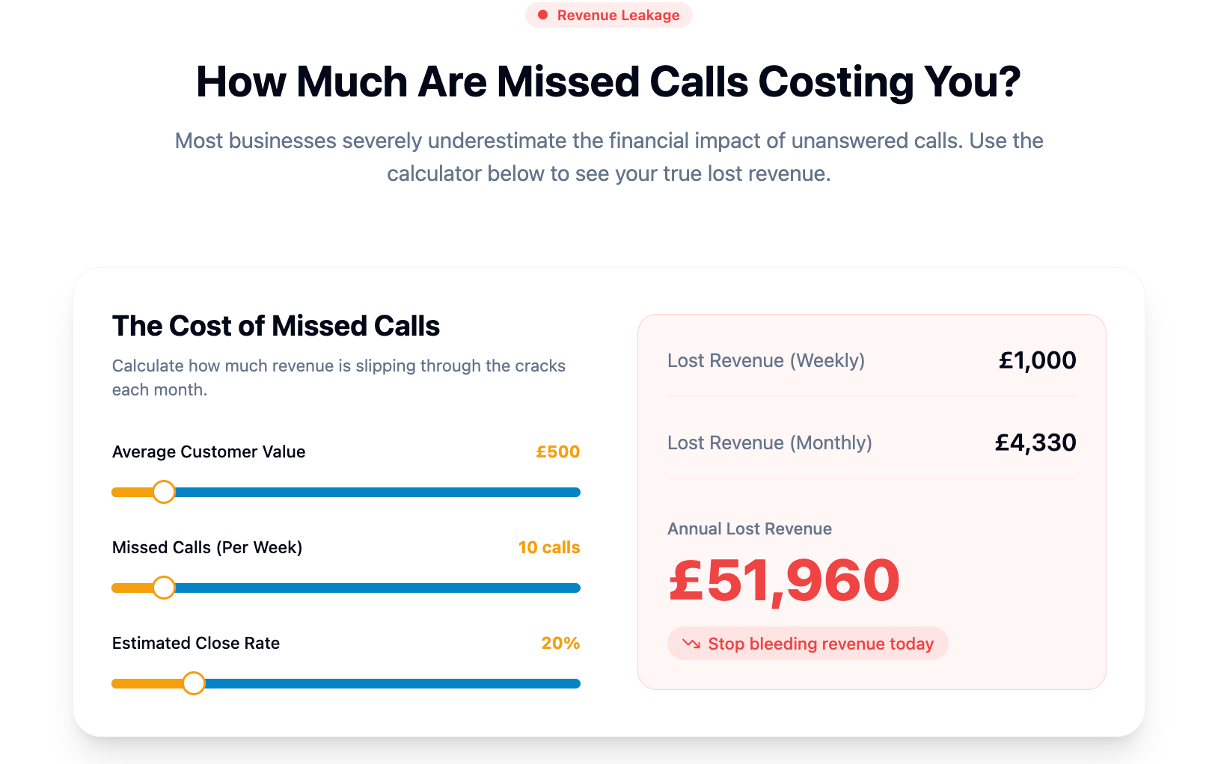
Real estate professionals lose revenue every day from missed calls, delayed responses, and leads that go cold before anyone follows up. Talk2Aiva by SWASCO is built to fix exactly that.
Talk2Aiva acts as a 24/7 AI receptionist that instantly engages, qualifies, and follows up with every lead across calls, text, website chat, and social media. It handles the first response within seconds, triggers the right nurturing sequence based on lead behaviour, and escalates ready leads to your team at the right moment. For real estate professionals who want to implement end-to-end lead nurturing without building the system from scratch, Talk2Aiva includes full setup, AI training, workflow building, and ongoing support. You focus on closing deals. Talk2Aiva handles everything else.
FAQ
What is lead nurturing in real estate?
Lead nurturing in real estate is the structured process of maintaining consistent, multi-channel communication with prospects from initial enquiry through to transaction. It uses email, SMS, phone calls, and behavioural triggers to keep leads engaged across a typical 12 to 18 month sales cycle.
Why do most real estate leads fail to convert?
80% of real estate leads fail to convert because agents lack a structured nurturing system, not because the leads are poor quality. Inconsistent follow-up and treating all leads identically are the most common causes of lost pipeline.
How often should you follow up with real estate leads?
Follow-up frequency depends on the lead's tier and stage. A-tier leads warrant immediate personal contact, while C-tier leads respond well to two to three automated touches per month. The key is maintaining relevance rather than simply maintaining volume.
Can automation replace personal contact in lead nurturing?
Automation handles timing, sequencing, and trigger-based messaging at scale, but personal calls remain the most effective channel for converting ready leads. The best approach uses automated sequences for early stages and transitions to personal engagement when behavioural signals indicate readiness.
How do you re-engage dormant real estate leads?
Re-engage dormant leads by monitoring behavioural signals such as returning website visits or email opens, then sending a personalised message referencing their original enquiry and a relevant market development. Research shows 42.83% of cold leads eventually convert when re-engaged with timely, relevant contact.