
Most beauty business owners have heard the phrase "lead nurturing" and assumed it means sending the occasional promotional email. It does not. Understanding what lead nurturing means for a beauty business is the difference between a full booking calendar and a pipeline full of cold prospects who never convert. Lead nurturing, known in marketing as a structured relationship-building process, is about providing relevant, timely information to interested prospects over days, weeks, or months until they are ready to book. This article breaks down exactly what that looks like for salon and beauty business owners.
Table of Contents
- Key takeaways
- What lead nurturing means for beauty businesses
- Why static drip campaigns fall short
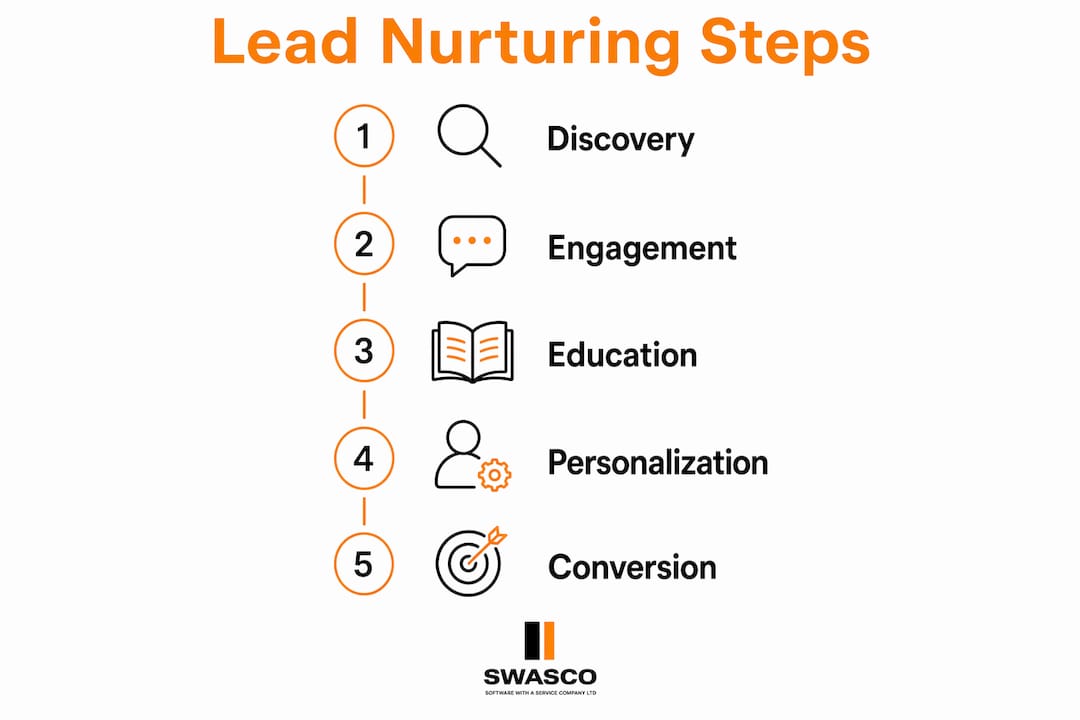
- A practical framework for beauty lead nurturing
- Common mistakes to avoid
- How nurturing drives bookings and loyalty
- My honest take on beauty lead nurturing
- Stop losing leads between enquiry and booking
- FAQ
Key takeaways
| Point | Details |
|---|---|
| Lead nurturing builds relationships | It moves interested prospects toward booking through relevant, ongoing communication rather than one-off promotions. |
| Behaviour-driven beats fixed schedules | Adapting messages to what prospects actually do produces far better booking conversions than static drip sequences. |
| Segmentation is non-negotiable | Grouping leads by intent and behaviour lets you send the right message at the right time, reducing unsubscribes. |
| Multi-channel approach works best | Combining email, SMS, social retargeting, and direct outreach keeps your business visible without overwhelming prospects. |
| Technology makes it scalable | CRM and automation tools let you run personalised nurture programmes without managing every message manually. |
What lead nurturing means for beauty businesses
Lead nurturing and lead generation are not the same thing, and confusing the two is one of the most common mistakes beauty business owners make. Lead generation fills your database with new contacts through tactics like social media ads, Google search, or a free consultation offer. Lead nurturing is what happens after that. It is the process of building a relationship with those contacts until they are ready to book.
Think of it this way. A prospect finds your salon on Instagram, clicks your link, and reads your pricing page. They are interested but not quite ready. Lead nurturing is every relevant, thoughtful touchpoint you deliver from that moment forward until they book their first appointment or return for their next one.
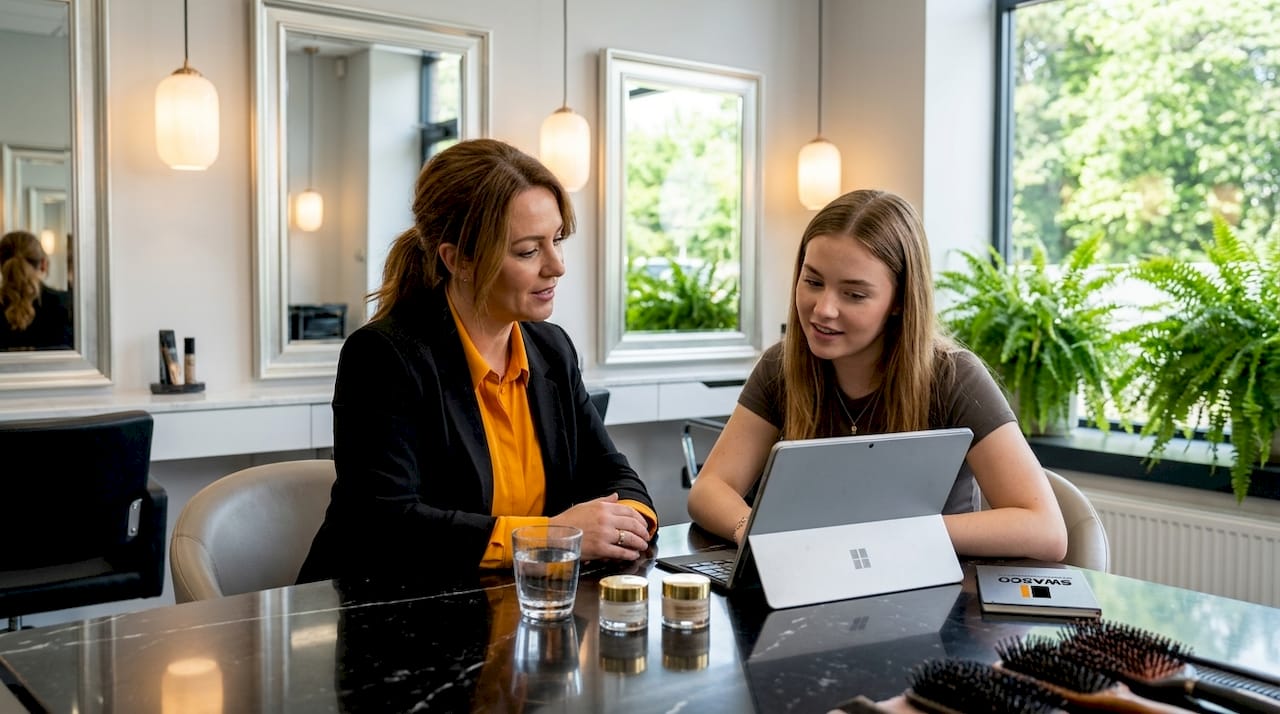
Here is how lead generation and lead nurturing compare side by side:
| Activity | Lead generation | Lead nurturing |
|---|---|---|
| Goal | Attract new contacts | Convert existing contacts |
| Timing | One-time or campaign-based | Ongoing over weeks or months |
| Content type | Ads, landing pages, offers | Emails, SMS, retargeting, tailored offers |
| Measurement | Number of new enquiries | Booking conversion rate, engagement |
Common channels and content types used for lead nurturing in beauty businesses include:
- Email sequences tailored to where a prospect is in their decision journey
- SMS follow-ups after enquiries or missed calls
- Social media retargeting for prospects who visited your website but did not book
- Personalised offers based on services the prospect has shown interest in
- Educational content such as skincare tips or treatment guides that build trust over time
The underlying principle is consistent: nurturing develops relationships using targeted communications rather than random promotional blasts. It is a continuous process, not a single campaign.
Why static drip campaigns fall short
Many beauty business owners set up a simple email drip: welcome email on day one, a discount on day three, a reminder on day seven. It feels like nurturing. It is not. A static drip campaign runs on a fixed schedule regardless of what the prospect actually does. That is the problem.
Effective lead nurturing adapts to prospect behaviour rather than following a rigid calendar. If a prospect opens your email about Brazilian blow-drys but ignores the one about nail treatments, that signal matters. Your next message should lean into what they responded to, not keep rotating through a generic sequence they are tuning out.
The beauty industry is personal. Clients are choosing someone to touch their hair, their skin, their nails. That means trust is earned through relevance, not repetition. Sending five emails in a row about offers a prospect has shown zero interest in does not build trust. It builds an unsubscribe.
A behaviour-driven approach uses engagement signals to determine the next step:
- Prospect opens a treatment-specific email. Send a follow-up with more detail on that treatment.
- Prospect visits your booking page but does not complete. Trigger a timely SMS with a gentle nudge.
- Prospect downloads a skincare guide. Follow up with educational content and a soft offer.
- Prospect goes quiet for two weeks. Switch cadence and try a different channel or a re-engagement message.
Pro Tip: Set up at minimum three distinct nurture tracks: one for cold leads, one for warm prospects who have engaged but not booked, and one for lapsed clients. Each track should have different messaging, tone, and offers.
Behavioural triggers like guide downloads or page revisits determine the next message sent. The more your nurture workflow responds to real actions, the more relevant it feels, and the more bookings it generates.
A practical framework for beauty lead nurturing
Knowing you need to nurture leads is one thing. Building a system that actually does it is another. Here is a straightforward framework you can apply to your beauty business right now.
-
Segment your leads by intent. Not every enquiry is equal. Someone who has booked before and lapsed is very different from a cold prospect who found you through a paid ad. Create segments based on source, behaviour, and how far along they are in deciding to book.
-
Choose your channels deliberately. Email works well for detailed content and education. SMS works for timely nudges and appointment reminders. Social retargeting keeps your brand visible between direct communications. Direct outreach, such as a personal message, works for high-value prospects who have gone quiet.
-
Set timing and frequency rules. Sending messages daily is almost always counterproductive. For most beauty businesses, two to three touchpoints per week during an active nurture window is a sensible ceiling. Reduce frequency for unengaged contacts rather than continuing at the same pace.
-
Define what "sales-ready" looks like. This is where many beauty businesses have a gap. At what point does a lead move from nurture to direct booking outreach? Set clear criteria: for example, a prospect who has visited the booking page twice and opened three emails in the past fortnight is ready for a direct, personal follow-up.
-
Use a CRM or automation tool to manage it. Structured plans involving CRM and marketing automation align content with funnel stages and remove the burden of manual follow-up. Without a system, nurturing collapses the moment your diary gets busy.
The table below outlines how message type should align with lead stage:
| Lead stage | Intent level | Message type |
|---|---|---|
| New enquiry | Low | Welcome, educational content, trust-building |
| Engaged but not booked | Medium | Treatment-specific content, soft offer, social proof |
| High intent (visited booking page) | High | Appointment prompt, limited offer, direct outreach |
| Lapsed client | Returning | Re-engagement message, personalised incentive |
Common mistakes to avoid
Even well-intentioned nurture programmes fail when a few predictable mistakes creep in. Here are the ones most likely to cost you bookings.
- Sending the same sequence to everyone. A first-time enquirer and a lapsed regular should never receive identical messaging. One needs trust-building; the other needs a reason to return.
- Overloading prospects with irrelevant content. More messages is not better. Messages must match the prospect's intent stage: educational content for early-stage leads, appointment-specific prompts for those closer to booking.
- Ignoring the data. Open rates, click rates, and booking conversions are telling you something. Review them monthly and adjust your sequences accordingly.
- Siloing nurturing from your booking team. If your front-of-house or reception staff are not aware of the nurture programme, leads can fall through the gaps when they finally reach out to book.
- Abandoning multi-channel engagement. Relying only on email misses a large portion of prospects who respond better to SMS or social. Integrate at least two channels in every nurture track.
Pro Tip: Review your nurture sequences every six to eight weeks. Check which emails get the highest open rates and which steps cause drop-off. Small adjustments to subject lines and send timing can meaningfully lift your booking conversion rate.
Nurturing as a stateful process means your content and cadence should change based on what your leads are actually doing. When you treat it as a set-and-forget system, it stops working.
How nurturing drives bookings and loyalty
The most direct benefit of lead nurturing in the beauty industry is simple: it converts prospects who were not quite ready into clients who book and return. Focusing on nurturing reduces the constant need for paid new traffic by maximising the value of leads you already have.
Here is what that looks like in practice:
- A prospect enquires about a facial treatment but does not book. Over the following two weeks, they receive a short educational email series about the treatment, a client testimonial, and a limited availability nudge. They book on day 14.
- A lapsed client who has not visited in four months receives a personalised re-engagement message referencing their last service and a relevant seasonal offer. They rebook within the week.
- A prospect who downloaded a bridal hair guide gets a tailored sequence covering bridal packages, real wedding testimonials, and a trial booking prompt. They convert into a high-value bridal client.
Each of these examples works because the communication was relevant, timely, and matched to where the person actually was in their decision process. That is the core of what lead nurturing means for a beauty business.
The benefits of well-run lead nurturing for salons extend beyond just conversions. Regular, helpful communication builds the kind of trust that turns first-time clients into loyal regulars. It positions your business as a credible, professional choice rather than just another option in a directory. And it creates a predictable pipeline of bookings rather than a feast-or-famine cycle driven by ad spend.
For tips on how AI supports salon retention specifically, that is worth exploring alongside your nurture strategy.
My honest take on beauty lead nurturing
I have worked with enough service businesses to say this clearly: the owners who struggle most with lead nurturing are those who think they are already doing it because they have an email sequence set up. A sequence is a starting point, not a strategy.
What I have seen work consistently is treating every lead as an individual with a specific concern and a specific timeline. The moment you stop broadcasting and start responding, conversion rates shift. A client who enquired about laser treatments three weeks ago and has not booked is not the same as someone who just landed on your homepage. Sending them the same email is a waste of your effort and their patience.
The other thing I have learned is that nurturing breaks down at the handoff point. You can run a brilliant email programme and then lose the client because no one followed up personally when they finally showed high intent. Technology handles the early and mid-stages well. The final nudge often needs a human touch, whether that is a personal text from your receptionist or a quick phone call.
Where tools like CRM and automation genuinely transform things is in making the early and mid-stage nurturing consistent. You cannot manually track 200 prospects and remember to follow up at the right moment. Automation does that for you, freeing you to focus on the conversations that actually need your attention.
View nurturing as relationship management, not just marketing. When that shift happens, the results follow.
— James Paul
Stop losing leads between enquiry and booking
If you recognise any of the challenges above, you are not alone. Most beauty businesses are sitting on a pipeline of prospects they are not converting because the follow-up process is inconsistent or non-existent.
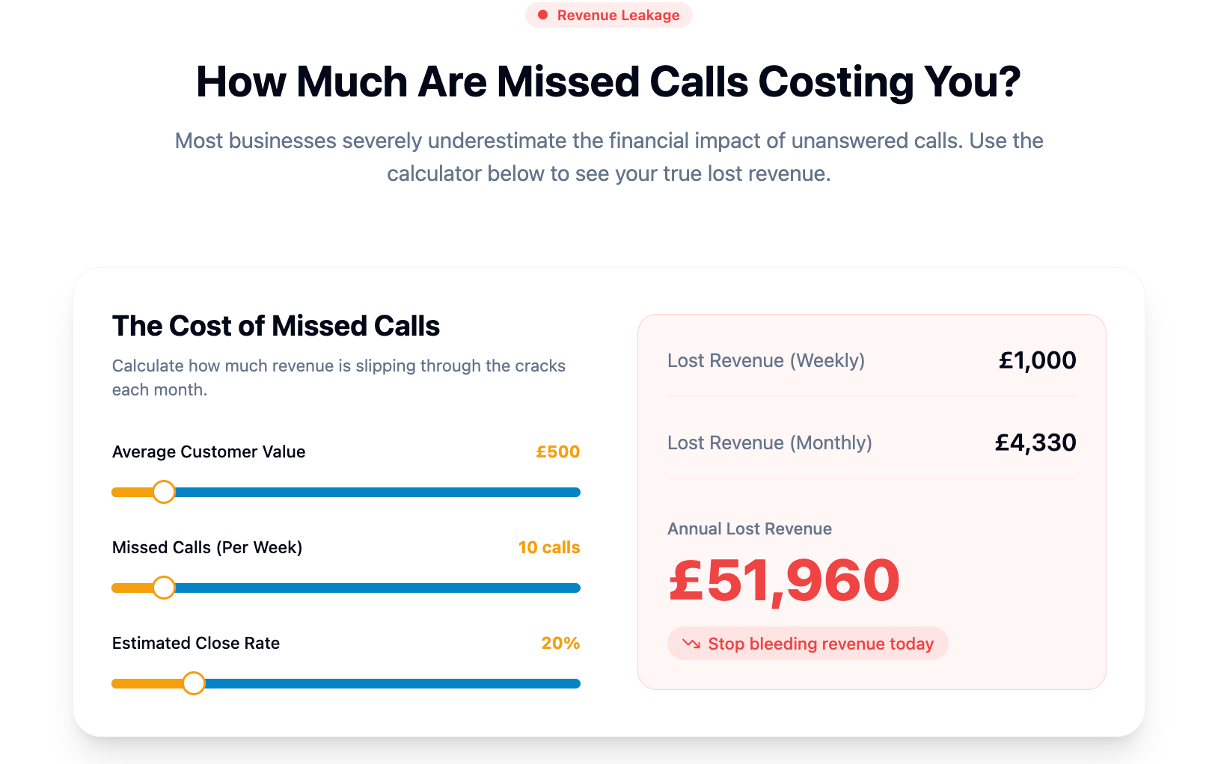
Talk2Aiva by SWASCO is built specifically for service businesses like yours. It uses conversational AI to instantly engage new enquiries, qualify leads, and follow up across calls, text, website chat, and social media, around the clock. Every touchpoint is tracked, every lead is followed up, and your booking pipeline stays active without you managing it manually. Setup and ongoing technical support are included, so you can focus on delivering great services while Talk2Aiva handles the lead nurturing that most businesses leave to chance.
FAQ
What does lead nurturing mean in a beauty business?
Lead nurturing in a beauty business means delivering relevant, timely communications to interested prospects across multiple channels until they are ready to book. It is a structured relationship-building process, not a one-off promotional message.
How is lead nurturing different from lead generation?
Lead generation attracts new contacts to your business through ads or organic content. Lead nurturing builds relationships with those contacts over time, using tailored follow-ups to move them toward booking.
Why do basic email drips not work for beauty lead nurturing?
Static drip campaigns send messages on a fixed schedule regardless of what the prospect does. Effective nurturing adapts to engagement signals such as email opens and page visits, making each message more relevant and far more likely to convert.
How often should I contact prospects during nurturing?
Two to three touchpoints per week is a sensible upper limit for an active nurture window. Reduce frequency for contacts who are not engaging rather than continuing at the same pace, as overcontact leads to unsubscribes and ignored messages.
When should a nurtured lead be passed to direct booking outreach?
When a prospect shows high-intent signals such as visiting your booking page multiple times or opening several emails in a short period, that is the cue to move from automated nurturing to a personal, direct follow-up from your team.