
AI engagement in beauty brands is defined as the use of artificial intelligence to create personalised, measurable customer interactions that shape how consumers discover, evaluate, and buy beauty products. This is the industry's standard term for a shift that goes far beyond chatbots and automated replies. For beauty brand marketers, understanding what AI engagement means is now a commercial necessity. Brands like Sephora and L'Oréal are already using AI personalisation agents, conversational diagnostics, and category authority strategies to win customers at every stage of the buying journey. The results are significant, and the gap between brands that act and those that wait is widening fast.
What does AI engagement mean for beauty brands specifically?
AI engagement in beauty marketing is the deployment of AI tools that interact with customers in real time, personalise their experience, and guide them from discovery to purchase. The industry term most commonly used is "conversational AI engagement," which covers chatbots, personalisation agents, AI search visibility, and agentic marketing systems. These tools do not simply answer questions. They analyse customer intent, match products to individual needs, and adjust recommendations based on behaviour.
The scale of impact is already measurable. Sephora's AI skin diagnostic tools exceed 180,000 in-store AI scans monthly, with more than 20% of customers who engage with AI Beauty Chat completing a purchase on the same day. That conversion rate reflects a fundamental change in how AI customer interaction in beauty works: the AI does not just inform, it actively moves customers towards a decision.
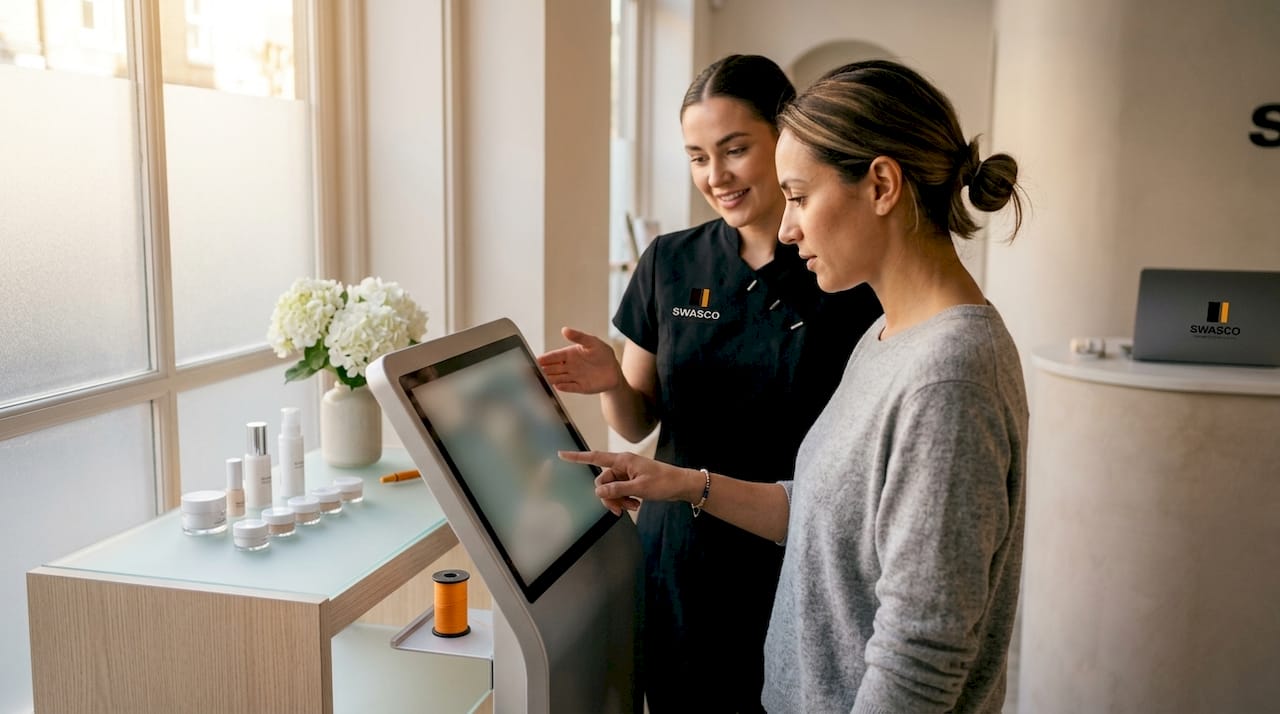
For beauty brand marketers, the practical meaning is this. AI engagement covers every touchpoint where an artificial intelligence system replaces or supports a human interaction, from a website chat that recommends a serum to an AI search engine that surfaces your brand in response to a consumer's skincare question.
How do AI personalisation agents increase conversion for beauty brands?
Personalisation agents are AI systems that tailor product pages, recommendations, and marketing messages to individual customers based on their behaviour, preferences, and stated needs. They operate across websites, social platforms, and AI search engines simultaneously. The impact on conversion is direct and measurable.
One skincare brand achieved a 75% increase in market share on ChatGPT within three months, alongside a 1,160% increase in information-providing influence. That figure is not a vanity metric. It means the brand's products were being recommended by AI systems to consumers actively seeking skincare solutions, without the brand paying for each individual recommendation.
Here is how personalisation agents work in practice for beauty brands:
- Product agents analyse your catalogue and match individual products to customer queries in real time, surfacing the most relevant item based on skin type, concern, or ingredient preference.
- Impact agents monitor competitor messaging, customer questions, and search trends, then adjust your marketing content automatically to stay relevant.
- Conversational agents conduct personalised skin or beauty consultations via chat, replicating the in-store advisor experience digitally.
- Discovery agents ensure your brand appears in AI-generated answers on platforms like ChatGPT and Perplexity by structuring your product data for AI readability.
Agentic AI systems can autonomously optimise marketing campaigns and product pages by analysing competitor messaging and customer questions in real time. L'Oréal's partnership with OpenAI is a direct example of a major beauty group treating agentic AI as a core commercial infrastructure, not an experiment. For brands seeking to understand AI-driven personalisation in beauty, the starting point is always accurate, structured product data. Poorly structured data produces inaccurate AI recommendations, which erodes trust faster than no AI at all.
Pro Tip: Audit your product descriptions for specificity. AI agents recommend products based on ingredient names, skin concerns, and usage context. Generic descriptions like "moisturising cream" will lose to competitors whose listings specify "niacinamide 10%, suitable for oily and combination skin, morning use."
How does AI search visibility affect beauty brand discoverability?
AI search engines do not rank brands the way Google does. They prioritise category authority, which means consistent, credible mentions from trusted third-party sources, over the volume of brand-owned content. This is a structural difference that most beauty marketers have not yet adapted to.
Brands with focused category authority outperform those trying to dominate every conversation on AI platforms. The brands that AI systems recommend most consistently are those that own a specific niche, such as "best retinol for sensitive skin" or "clean SPF for darker skin tones," with repeated, credible mentions from independent sources. Trying to be recommended for everything produces weaker AI visibility than owning one category completely.
The sources AI search engines trust most for beauty queries include:
- YouTube tutorials: YouTube appeared as a cited source in 16% of AI-generated answers for beauty-related queries. Long-form, well-structured video content carries significant weight.
- Reddit communities: Ingredient debates, honest reviews, and peer recommendations on Reddit are treated by AI as high-trust peer validation.
- Independent editorial: Beauty journalists, dermatologists, and specialist bloggers who mention your brand provide the third-party credibility AI systems reward.
- Social community signals: Social-first beauty brands that foster genuine community interaction experience 10% higher annual revenue growth. AI visibility and commercial performance move together.
| AI content signal | Traditional SEO factor |
|---|---|
| Third-party community mentions | Backlink volume |
| Category-specific authority | Broad keyword ranking |
| YouTube and Reddit citations | On-page keyword density |
| Consistent brand narrative across platforms | Meta descriptions and title tags |
| Expert and peer validation | Domain authority score |
The practical implication is clear. Your AI discoverability strategy must prioritise earning mentions in the places AI systems trust, not just publishing more content on your own channels. For beauty brands building community-driven visibility, the 90/10 rule applies: 90% of your community content should educate and engage, with only 10% directly promoting your products.
Why does transparency matter in AI beauty marketing?
AI engagement carries real risks when brands deploy it without human oversight. The most significant risk in beauty is AI-generated visuals that present unrealistic skin, hair, or body outcomes. Improper use of AI-generated beauty visuals risks eroding consumer trust and attracting legal scrutiny. Regulators in the UK and EU are actively examining AI-generated marketing content for misleading claims.
The human-in-the-loop model is the standard that responsible beauty brands follow. This means a human reviews AI-generated content before it is published, checks that product claims are accurate, and ensures that visual outputs reflect realistic results. AI excels at the discovery and decision-support stages of the customer journey, but it struggles with emotional and sensory elements that are central to beauty purchasing. The feel of a texture, the scent of a formula, the emotional resonance of a brand story: these remain human territory.
Practical transparency principles for beauty brands using AI:
- Label AI-generated content clearly, particularly in social media and advertising.
- Never use AI to fabricate before-and-after results or exaggerate product efficacy.
- Maintain human editorial control over all AI-produced copy and imagery before publication.
- Train your AI systems on accurate product data to reduce the risk of misinformation.
Pro Tip: Build a simple internal review checklist for AI-generated content. Ask three questions before publishing: Is this claim verifiable? Does this image reflect a realistic outcome? Would a trading standards officer find this misleading? If any answer is uncertain, revise before publishing.
Practical steps to build AI engagement into your beauty brand strategy
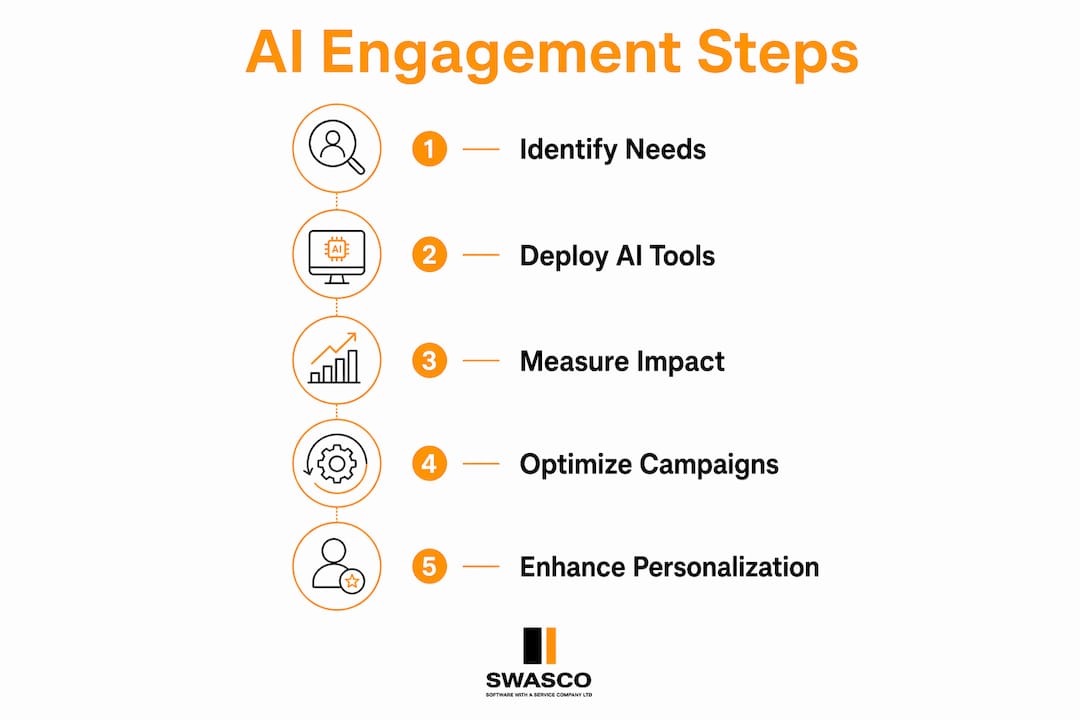
AI engagement works best when it is built into your brand's operations systematically, not added as an afterthought. The following steps reflect how leading beauty brands are implementing AI customer interaction effectively.
- Structure your product data for AI readability. Every product listing should include ingredient names, skin type suitability, usage context, and specific concerns addressed. AI agents recommend products based on this structured data. Vague descriptions are invisible to AI systems.
- Deploy conversational AI for digital skin diagnostics. Tools that ask customers about their skin concerns, lifestyle, and goals, then recommend products accordingly, replicate the in-store consultation experience at scale. Sephora's AI Beauty Chat is the benchmark for this approach.
- Build community content that AI rewards. Encourage customers to leave detailed reviews, participate in ingredient discussions, and share results on YouTube and Reddit. AI search engines treat this peer-generated content as high-trust validation. For broader context on AI-driven eCommerce strategies, the principle of community-first content applies directly to beauty.
- Own a category, not a conversation. Choose one or two specific areas where your brand has genuine authority, such as hyperpigmentation treatments or fragrance-free formulations for eczema-prone skin, and build consistent, credible content around those categories.
- Integrate AI insights into your content calendar. Use AI tools to identify the questions your target customers are asking on search platforms, then create content that answers those questions directly. This feeds both AI discoverability and human search traffic.
- Preserve the sensory and emotional brand experience. AI handles discovery and decision support well. Use it there. Keep human creativity and storytelling at the centre of brand campaigns, product launches, and community building.
For brands exploring how to build authority online with AI, the consistent finding is that specificity and credibility outperform volume every time.
Key takeaways
AI engagement in beauty brands is most effective when it combines structured product data, category-specific authority, and human oversight to build genuine consumer trust at scale.
| Point | Details |
|---|---|
| Define AI engagement clearly | AI engagement covers personalisation agents, conversational diagnostics, and AI search visibility working together. |
| Category authority beats broad presence | Owning one niche with consistent third-party mentions produces stronger AI recommendations than trying to rank for everything. |
| Community content drives AI visibility | YouTube tutorials, Reddit discussions, and peer reviews are the sources AI search engines trust most for beauty queries. |
| Human oversight is non-negotiable | AI-generated beauty content requires human review to avoid misleading claims and regulatory risk. |
| Structured product data is the foundation | Accurate, detailed product listings are what AI personalisation agents use to make relevant recommendations. |
The structural shift beauty brands cannot afford to ignore
AI engagement is not a marketing trend. It is a permanent change in how consumers discover and decide on beauty products, and the brands that treat it as such will hold a durable advantage. I have watched beauty marketers spend months perfecting their Instagram grid while their competitors quietly built AI-readable product catalogues and earned mentions in the Reddit threads that ChatGPT cites. The gap that creates is not recoverable quickly.
What strikes me most is how counterintuitive the winning strategy is. The brands gaining the most AI visibility are not the ones publishing the most content. They are the ones owning a specific category with relentless consistency and earning trust from sources they do not control. That requires a different mindset than traditional digital marketing, and it requires genuine confidence in your brand's area of expertise.
The brands that will lead in AI-driven beauty commerce are those that combine rigorous data discipline with authentic human creativity. Neither alone is sufficient. AI handles the scale and the personalisation. Humans provide the judgement, the storytelling, and the ethical guardrails. Getting that balance right is the real work of AI engagement in beauty marketing, and it starts with understanding what the technology actually does, not what the hype claims it does.
— James Paul
How Talk2Aiva supports beauty brands with AI-driven customer engagement
Beauty brands that understand AI engagement still need the infrastructure to act on it. Talk2Aiva by SWASCO gives service-based beauty businesses a fully guided conversational AI system that engages, qualifies, and follows up with customers 24/7 across calls, text, website chat, and social media.
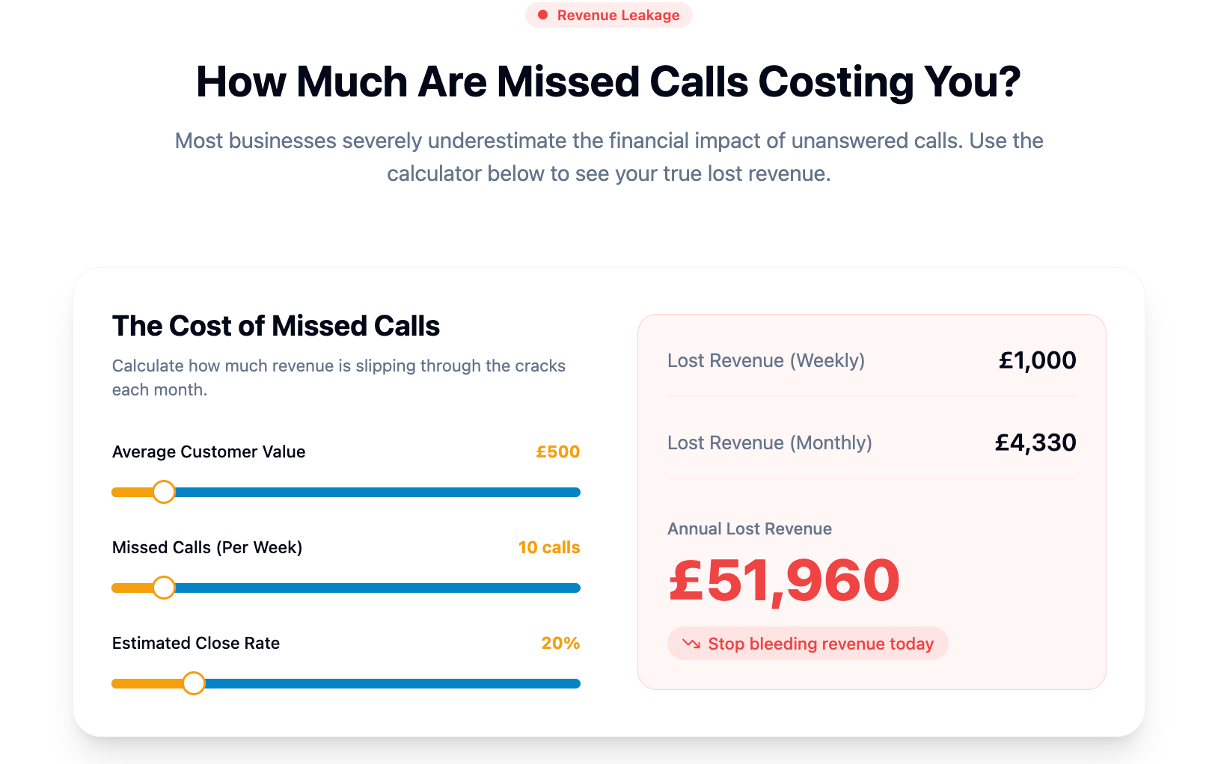
From initial setup and AI training to live launch and ongoing support, Talk2Aiva handles the technical side so your team can focus on the brand. For beauty marketers ready to turn AI engagement from a concept into a commercial result, Talk2Aiva's automation platform provides the end-to-end system that makes it possible. Every missed enquiry is a lost sale. Talk2Aiva makes sure that does not happen.
FAQ
What is AI engagement in beauty brands?
AI engagement in beauty brands is the use of artificial intelligence tools, including personalisation agents, conversational diagnostics, and AI search optimisation, to create personalised, measurable customer interactions that drive discovery and purchase.
How does AI improve engagement for beauty marketers?
AI improves engagement by tailoring product recommendations to individual customers in real time, surfacing brands in AI-generated search answers, and conducting personalised consultations at scale without additional staffing costs.
Which AI platforms matter most for beauty brand visibility?
ChatGPT, Perplexity, and Google's AI-powered search are the primary platforms where beauty brands need visibility. YouTube and Reddit are the most trusted third-party sources these platforms cite for beauty-related queries.
How do beauty brands build AI search authority?
Beauty brands build AI search authority by owning a specific product category with consistent, credible mentions from independent sources such as editorial reviews, YouTube tutorials, and Reddit community discussions, rather than relying solely on brand-owned content.
Is AI engagement safe to use in beauty marketing?
AI engagement is safe when brands apply human oversight to all AI-generated content, avoid unrealistic visual claims, and maintain accurate product data. Without these guardrails, AI-generated beauty content risks misleading consumers and attracting regulatory scrutiny.