
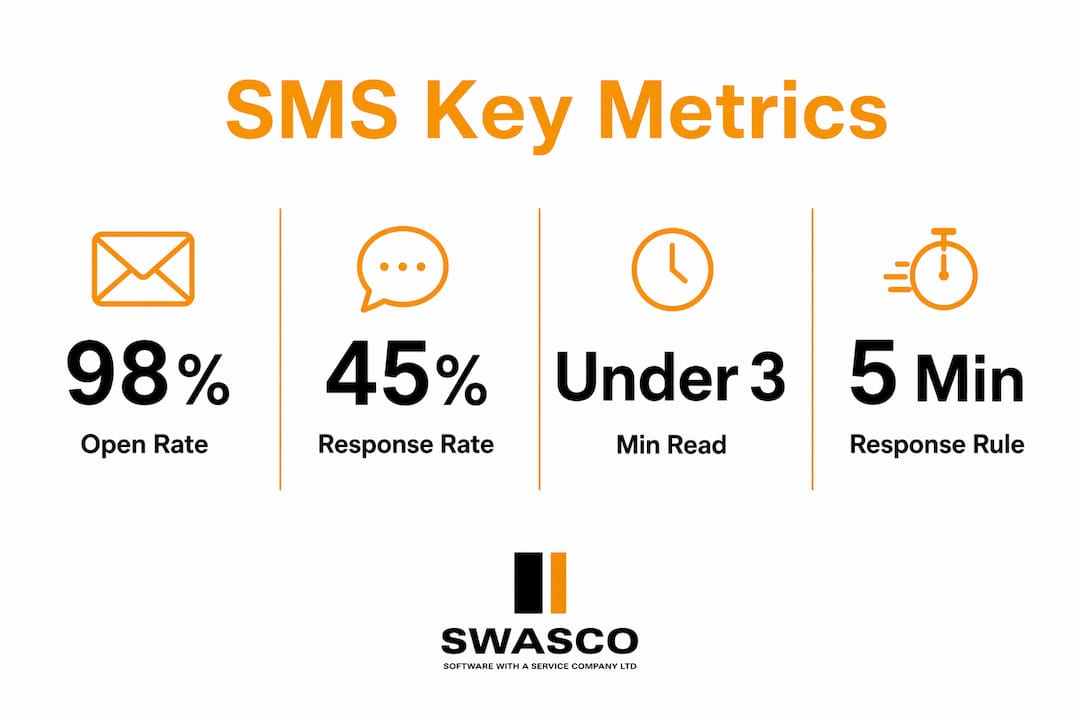
SMS is the highest-converting communication channel in real estate, with a 98% open rate and a 45% response rate that leaves email far behind. The role of SMS in property follow-up is to deliver fast, direct contact that keeps leads warm before a competitor gets there first. Agents who text within five minutes of an enquiry are 21 times more likely to qualify that lead than those who wait 30 minutes. This guide covers the evidence behind those numbers, the follow-up sequences that work, and how to build SMS into your workflow without creating compliance headaches.
How does SMS improve lead response rates in property?
Text messaging for property leads outperforms every other channel on the two metrics that matter most: open rate and response rate. 90% of texts are read within three minutes of delivery. Email open rates, by contrast, hover between 10% and 20%. That gap is not marginal. It is the difference between a lead who feels attended to and one who has already called another agent.
The concept behind this is called "speed to lead," which refers to the time between a prospect's enquiry and your first contact. In property, speed to lead is decisive. 78% of buyers choose the first agent who responds to them. That means your follow-up speed is often more important than your fee structure, your portfolio, or your local knowledge.
SMS acts as the gatekeeper channel in a well-run communication stack. It provides the speed and visibility needed for first contact, while phone calls and emails handle the deeper transactional detail later. Think of SMS as the door opener, not the full conversation.

The table below shows how the three main channels compare on the metrics that drive property conversions.
| Channel | Open rate | Response rate | Average read time |
|---|---|---|---|
| SMS | 98% | 45% | Under 3 minutes |
| 10–20% | 6–8% | Hours to days | |
| Phone call | N/A | 30–40% | Immediate or voicemail |
The data makes a clear case. SMS reaches prospects faster and generates replies at a rate that phone calls cannot match at scale, particularly when agents are managing multiple enquiries simultaneously.
What SMS follow-up strategies actually work for real estate?
The most effective real estate SMS follow-up uses a structured sequence rather than ad hoc messages. A proven three-step sequence runs as follows: an immediate response the moment an enquiry arrives, a value-adding message at 48 hours, and a gentle check-in at seven days. Each step serves a distinct purpose and keeps the lead moving without feeling pressured.
The immediate response confirms receipt and sets expectations. Something as direct as "Hi [Name], thanks for your enquiry about [Property]. I'll call you shortly. Is now a good time?" does the job. The 48-hour message adds value, perhaps sharing a comparable listing or a market update relevant to their search. The seven-day check-in re-engages leads who went quiet without burning the relationship.
Segmentation makes each message more relevant. Grouping leads by buyer interest, budget range, or property type means your texts address what that person actually cares about. Generic broadcast messages generate opt-outs. Targeted messages generate replies.
Dos and don'ts for SMS follow-up in property:
- Do send your first text within five minutes of an enquiry arriving
- Do keep messages under 160 characters where possible to avoid split messages
- Do include your name and agency in every opening text
- Do ask one clear question per message to prompt a reply
- Don't send texts before 8am or after 8pm
- Don't use SMS to send lengthy property descriptions; use it to start a conversation
- Don't send the same message to every lead regardless of their stage in the process
- Don't rely on your personal mobile for volume follow-up
Pro Tip: Use behaviour-triggered SMS rather than one-to-many blasts. A text sent immediately after a prospect books a viewing converts far better than a scheduled campaign message sent to your entire database. Trigger-based texts feel personal because they respond to what the lead just did.
Transitioning from personal texting to a professional SMS platform is the point where most agents see the biggest jump in results. Personal phones cannot segment, automate, or track replies at scale. Professional platforms do all three, and they keep you compliant in the process.
How does CRM integration change SMS follow-up for agents?
Automated SMS workflows integrated with CRM track lead behaviour, trigger follow-ups at the right moment, and generate showing reminders and drip campaigns that keep leads engaged across long sales cycles. Without CRM integration, agents rely on memory and manual effort. Both fail under volume.
A CRM-connected SMS system does several things that manual texting cannot. It logs every message against the lead record, so any agent picking up the conversation has full context. It triggers reminders automatically when a lead goes quiet for a set number of days. It manages opt-in and opt-out status, which is a legal requirement, not a preference. You can read more about building this kind of system in this guide to CRM integration for agents.
The table below compares what CRM-enabled SMS delivers versus manual texting from a personal phone.
| Feature | CRM-enabled SMS platform | Manual personal texting |
|---|---|---|
| Automated follow-up sequences | Yes | No |
| Opt-in/opt-out management | Automatic | Manual and error-prone |
| Lead behaviour tracking | Full history logged | None |
| Showing reminders | Automated | Requires manual scheduling |
| Scalability across multiple agents | Yes | No |
| Compliance management | Built-in | Agent's responsibility |
The practical workflows that benefit most from CRM integration are appointment reminders, document chasing, and pipeline nurturing. An automated reminder sent 24 hours before a viewing reduces no-shows. A text asking a buyer to return a signed form chases without the awkwardness of a phone call. A drip campaign keeps your agency front of mind for leads who are six months away from being ready to move. For a detailed look at how to build these workflows, see this guide to following up property leads systematically.
What compliance risks come with SMS in property follow-up?
Scaling SMS follow-up requires automation to meet the five-minute response window. Manual speed-to-lead is not feasible across multiple simultaneous enquiries, particularly for agencies running 24/7 property portals. The moment you try to manage volume from a personal phone, you create compliance risks you may not even be aware of.
The Telephone Consumer Protection Act (TCPA) in the United States and equivalent regulations in the UK and Australia require documented consent before sending marketing texts. Sending unsolicited messages, even to warm leads, can result in fines and reputational damage. Opt-out requests must be honoured immediately. Personal phones cannot manage this reliably at scale.
Professional SMS platforms manage regulatory compliance including opt-in and opt-out records, reduce the risk of spam labelling, and allow you to scale beyond what a personal phone can handle. Moving to a professional platform is not an upgrade. It is a baseline requirement for any agent sending more than a handful of texts per day.
Pro Tip: Carrier filtering is a real risk. Mobile networks flag messages that look like bulk marketing, particularly those with shortened URLs or promotional language. Use carefully managed automation that respects quiet hours, manages opt-outs, and sends messages from a registered business number. This keeps your messages in inboxes rather than spam folders.
Reputation damage from poorly managed SMS is harder to recover from than a missed lead. One complaint from a prospect who received an unsolicited text can generate a negative review that follows your agency online for years.
Key takeaways
SMS is the fastest and most effective channel for property follow-up, but only when used with structured sequences, CRM integration, and proper compliance management.
| Point | Details |
|---|---|
| SMS outperforms email and phone | A 98% open rate and 45% response rate make SMS the strongest first-contact channel in property. |
| Speed to lead is decisive | Contacting a lead within five minutes makes them 21 times more likely to qualify than waiting 30 minutes. |
| Structured sequences outperform ad hoc texts | A three-step sequence at zero, 48 hours, and seven days keeps leads engaged without pressure. |
| CRM integration is essential at scale | Automated workflows track behaviour, manage opt-outs, and trigger reminders that manual texting cannot match. |
| Compliance protects your reputation | Professional SMS platforms manage consent records and carrier filtering, reducing legal and reputational risk. |
Why speed and personalisation beat volume every time
I have watched agents invest in large SMS databases and blast the same message to thousands of leads, then wonder why their response rates are poor. The mistake is treating SMS like email marketing. SMS is a personal channel. Recipients expect it to feel like a direct message, not a newsletter.
The agents I have seen convert most consistently do two things differently. They respond within minutes, not hours. And they make the first message feel specific to what the lead just did, whether that is registering for a property alert, attending a viewing, or downloading a valuation guide. That specificity is what SMS as a conversation starter actually means in practice. The text opens a door. The conversation that follows closes the deal.
The shift from personal texting to automation platforms is not about removing the human element. It is about making the human element available at the right moment, at scale, without burning out your team. In 2026, the agents who ignore this are not just slower. They are structurally unable to compete with those who have automated their first response. The five-minute window does not care how good your local knowledge is if you miss it.
— James Paul
Talk2Aiva: built for agents who cannot afford to miss a lead
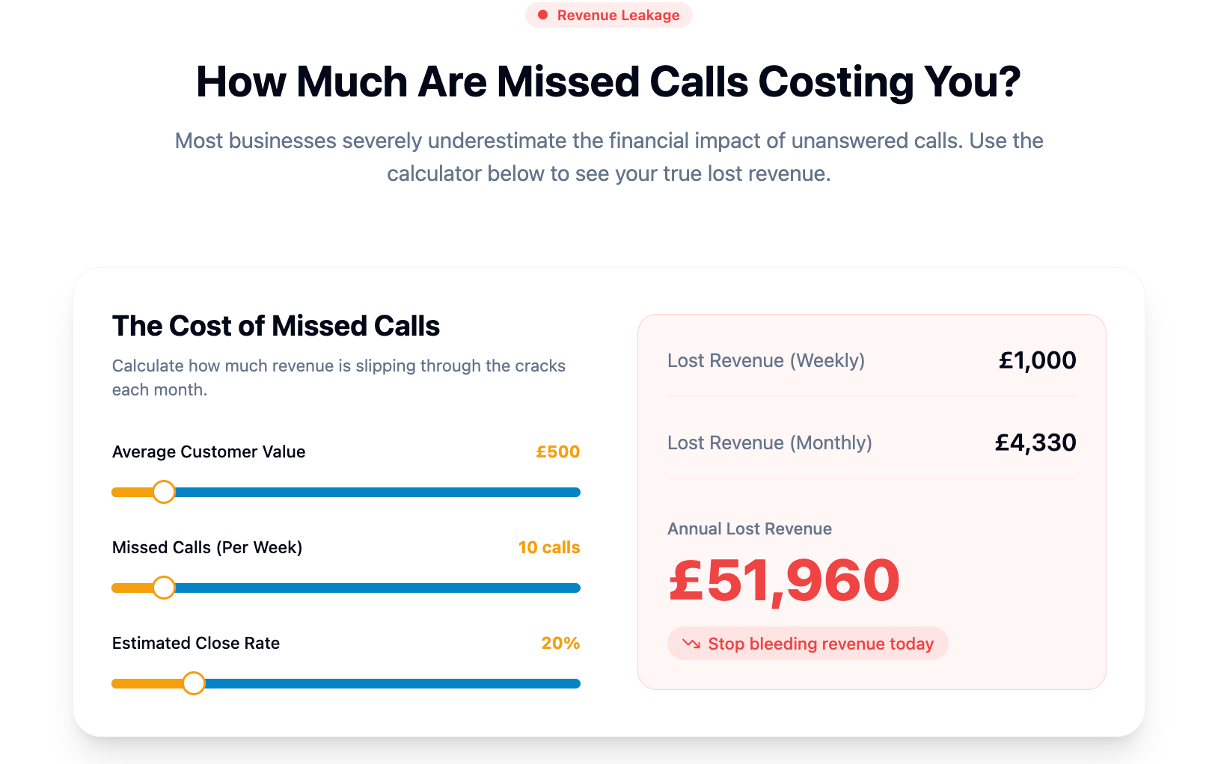
Slow follow-up costs real estate professionals more than they realise. Talk2Aiva by SWASCO automates your SMS responses the moment an enquiry arrives, so no lead waits more than a few seconds for a reply, regardless of the time of day.
Talk2Aiva connects with your CRM to trigger personalised follow-up sequences, manage opt-outs automatically, and keep your pipeline moving without manual effort. From sales and marketing automation to full AI receptionist capability, the platform is built for service businesses that need to respond fast and follow up consistently. Setup, training, and ongoing support are included, so you can focus on closing rather than configuring. If missed enquiries are costing you instructions, Talk2Aiva is worth a conversation.
FAQ
What is the ideal response time for a property SMS follow-up?
The five-minute rule is the industry standard. Contacting a lead within five minutes makes them 21 times more likely to qualify than contact made after 30 minutes.
How does SMS compare to email for property lead follow-up?
SMS achieves a 98% open rate versus email's 10–20%, and a 45% response rate compared to email's 6–8%. For time-sensitive property enquiries, SMS is the stronger first-contact channel.
Do I need consent before texting property leads?
Yes. Regulations including TCPA in the US and equivalent UK rules require documented opt-in consent before sending marketing texts. Professional SMS platforms manage this automatically.
What should a first follow-up text to a property lead say?
Keep it short, personal, and include a single question. Confirm receipt of their enquiry, state your name and agency, and ask whether now is a good time to speak or arrange a viewing.
Can I manage SMS follow-up from my personal mobile?
Personal phones cannot manage opt-outs, automate sequences, or track lead behaviour at scale. For anything beyond a handful of daily texts, a professional SMS platform is the practical and compliant choice.