
SMS appointment reminders are defined as automated text messages sent to clients before a scheduled salon visit, with the primary purpose of confirming attendance and reducing no-shows. The role of SMS in salon appointment reminders goes far beyond a simple nudge. SMS open rates exceed 98%, compared to 28–35% for salon emails, and most texts are read within three minutes of delivery. That speed and visibility make SMS the most reliable channel for time-sensitive booking communications. Automated SMS reminders can reduce no-show rates by 25–80%, with optimised workflows pushing no-show rates from as high as 12% down to below 2%.
How does SMS reduce no-shows in salon appointments?
The mechanism is straightforward. A client books an appointment, receives an immediate confirmation text, then gets a follow-up reminder 24 hours before their visit. Each message creates a moment of active awareness that a phone call or email simply cannot match at scale.
The critical distinction is between passive reminders and two-way confirmation requests. A one-way reminder tells a client their appointment is tomorrow. A two-way confirmation asks them to reply "YES" to confirm or "NO" to cancel. That single change in approach matters enormously. Two-way confirmations reduce no-shows by around 52% compared to single-touch reminders, and interactive confirmations are 67% more effective overall than passive notifications. The client takes an action, which creates a psychological commitment to attending.
Timing your messages correctly compounds these results. A well-structured sequence looks like this:
- Booking confirmation: Send immediately after the appointment is booked, including date, time, stylist name, and a "Reply YES to confirm" prompt.
- 48-hour reminder: A brief message restating the appointment details with a second confirmation request.
- 24-hour reminder: A final nudge with a direct rebooking link in case the client needs to reschedule.
- Same-day reminder: Optional for high-value or long-duration services such as colour treatments or extensions.
The business impact is direct. A salon running 50 appointments per day with a 10% no-show rate loses five billable slots daily. Dropping that rate to below 2% with an optimised SMS sequence recovers four of those slots. At an average service value of £45, that is £180 recovered per day before any other improvement is made.
Pro Tip: Always include the stylist's name in your reminder messages. Clients feel a personal connection to their stylist, and named reminders see higher confirmation rates than generic "your appointment" messages.
Why does SMS outperform other channels for appointment communications?
The numbers tell the story clearly. SMS open rates exceed 98% while salon email open rates sit between 28% and 35%. Voice calls go unanswered, get ignored by clients who do not recognise the number, and require staff time to make. SMS arrives silently, sits on the lock screen, and gets read.
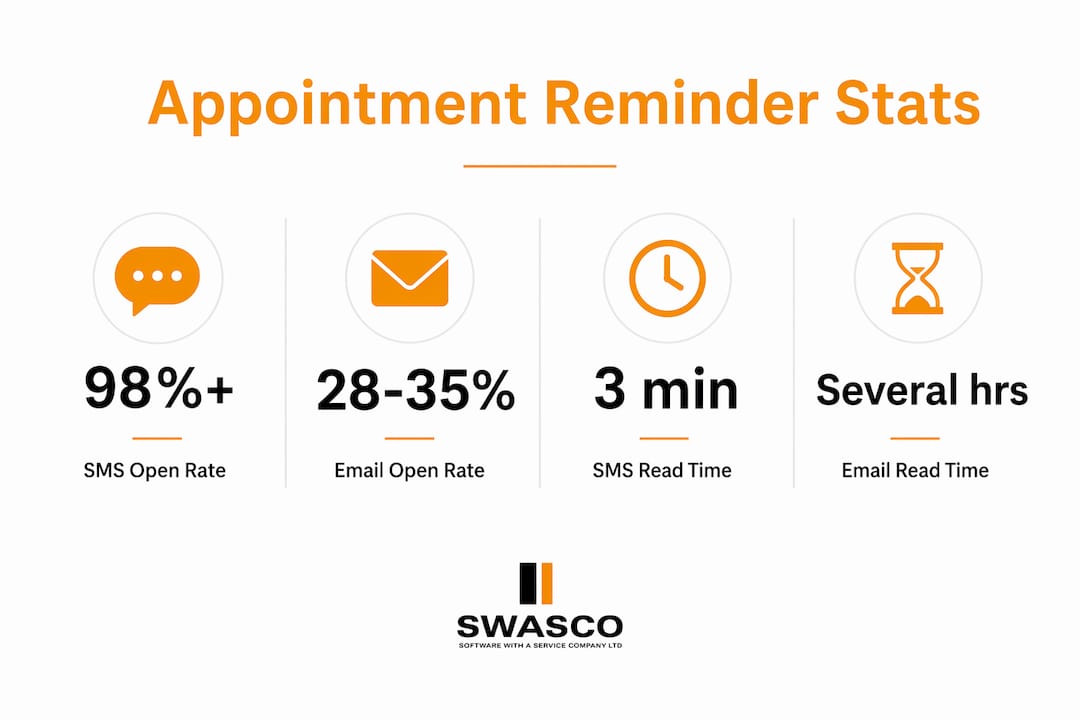
Speed is the other decisive factor. Most SMS messages are read within three minutes of delivery. An email sent the morning before an appointment may not be opened until the evening, or at all. A text sent at 9:00 AM for a 2:00 PM appointment lands in the client's hand almost instantly.
The table below shows how the three main channels compare for appointment reminder use:
| Channel | Open rate | Read time | Two-way capable | Staff time required |
|---|---|---|---|---|
| SMS | 98%+ | Under 3 minutes | Yes | Low (automated) |
| 28–35% | Hours to days | Limited | Medium | |
| Voice call | Variable | Immediate if answered | Yes | High |
Transactional SMS reminders suit short, time-sensitive messages best, while email works better for content-rich communications such as seasonal promotions or loyalty programme updates. Using the wrong channel for the wrong message type increases opt-out rates and reduces overall engagement. Sending a 400-word newsletter via SMS, for example, frustrates clients and trains them to ignore your texts.
Pro Tip: Reserve SMS for appointment-critical messages only. Use email for promotions, product recommendations, and longer content. Keeping SMS rare and relevant protects your open rates.
How do two-way SMS confirmations improve salon operations?
Two-way SMS confirmation shifts your system from passive notification to active client engagement. The phrase "Reply YES to confirm your appointment" is not just polite. It is a mechanism that enables automatic calendar updates and real-time slot reallocation when a client cancels.
A typical workflow runs as follows:
- Client replies YES. The booking is marked confirmed in your system. No staff action required.
- Client replies NO. An automated follow-up offers alternative times or a direct rebooking link. The slot is flagged as available for other clients.
- Client does not reply. A follow-up message is triggered after a set window, typically four hours, asking the client to confirm or contact the salon.
- No response after follow-up. The slot is flagged for manual review, and a staff member makes a brief call to confirm.
This workflow frees your team from the burden of making manual confirmation calls throughout the day. Two-way SMS confirmation frees staff from phone-based chasing, allowing more time for personalised client engagement during appointments. That is a meaningful shift in how your team spends their working hours.
The workload consideration is real, though. A salon with 50 daily appointments receives 30–40 SMS responses to confirmations, and managing these without an efficient system adds roughly 20–30 minutes of staff follow-up daily. Automation handles the YES responses automatically. The NO responses and non-replies still require a human decision. Building a consistent daily workflow for handling those cases is what separates salons that recover cancelled slots from those that simply lose the revenue.
Automated reminders with clear opt-out instructions also increase client satisfaction and reduce complaints about unwanted messages. Including "Reply STOP to unsubscribe" in your initial confirmation is both a regulatory requirement and good practice.
How can SMS drive rebooking and long-term client retention?
Appointment reminders are the entry point. The real revenue opportunity lies in using SMS proactively to bring clients back after their visit. Salons using proactive personalised SMS rebooking see an 18–24% increase in rebooking rates compared to reminder-only SMS usage. That figure represents a significant lift in client lifetime value without any additional marketing spend.
The strategy is built around service intervals. A client who gets a cut every six weeks should receive a rebooking prompt at the five-week mark. A colour client on a ten-week cycle gets a message at week eight. The timing feels natural rather than pushy, and the message arrives precisely when the client is starting to think about their next visit.
Key tactics for SMS-driven rebooking include:
- Direct booking links in every rebooking message. Including a direct booking link in SMS messages recovers 50–70% of potential rebookings that would otherwise be lost to navigation friction. Clients who have to search for your booking page often do not bother.
- Post-visit follow-up messages. A text sent 24–48 hours after an appointment thanking the client and offering a one-tap rebooking link performs well for retention.
- Lapsed client reactivation. Clients who have not visited in 10–12 weeks respond well to a personalised "We miss you" message with a direct offer or priority booking slot.
The risk to manage is subscriber fatigue. Balancing SMS and email channel use reduces opt-out rates and maintains engagement over time. If clients receive too many texts, they stop reading them or unsubscribe entirely. Keeping your SMS messages appointment-critical and rebooking-focused protects the channel's effectiveness. For broader promotions and content, email remains the better vehicle.
Salons investing in AI-driven client retention are finding that automated rebooking sequences, when timed correctly, outperform manual outreach in both consistency and conversion. You can also explore how to promote salon packages through automated messages to add revenue to each client relationship without extra staff effort.
Key takeaways
SMS appointment reminders reduce salon no-shows most effectively when they combine automated timing, two-way confirmation requests, and proactive rebooking sequences tied to each client's service interval.
| Point | Details |
|---|---|
| SMS open rates dominate | SMS exceeds 98% open rates versus 28–35% for salon emails, making it the most reliable reminder channel. |
| Two-way confirmations cut no-shows | Interactive "Reply YES" confirmations reduce no-shows by around 52% compared to one-way reminder messages. |
| Timing sequences matter | Send confirmation at booking, a 48-hour reminder, and a 24-hour final nudge for best attendance results. |
| Proactive rebooking drives revenue | Personalised rebooking SMS messages increase rebooking rates by 18–24% versus reminder-only usage. |
| Automation reduces staff workload | Automated workflows handle YES replies instantly, freeing staff to focus on clients rather than phone follow-ups. |
What I have learned from watching salons implement SMS reminders
The salons that get the best results from SMS reminders are not the ones with the most sophisticated technology. They are the ones that treat the system as a client communication standard, not a set-and-forget tool.
The most common mistake I see is treating the first reminder as the only reminder. A single text sent 24 hours before an appointment is better than nothing, but it leaves money on the table. The salons that drop their no-show rates to below 2% run a three-touch sequence: confirmation at booking, a 48-hour reminder, and a 24-hour final message. Each touch point serves a different psychological function, and removing any one of them weakens the chain.
The second mistake is underestimating the workload that comes with two-way messaging. Automation handles the easy part. The NO replies and the non-responses still need a human decision. I have seen salon managers surprised to find that 30–40 responses per day require a consistent daily process to manage properly. Without that process, cancelled slots go unfilled and the revenue benefit disappears. Building a simple 20-minute daily workflow to handle replies is not glamorous, but it is what makes the system profitable.
The third thing I would tell any salon owner is to protect the SMS channel. The moment you start sending promotional offers, product news, and general updates via text, clients start ignoring your appointment reminders too. Keep SMS for appointments and rebooking. Use email for everything else. That discipline is what keeps your open rates near 98% rather than sliding toward email territory.
For salons thinking about automating beauty appointment reminders, the technology is mature and accessible. The limiting factor is almost always process, not platform. Get the workflow right first, then let automation scale it.
— James Paul
How Talk2Aiva helps salons automate SMS appointment reminders
Missed appointments cost salons real money every single day. Talk2Aiva by SWASCO gives salon owners a done-for-you system that handles SMS appointment notifications, two-way confirmations, and proactive rebooking sequences automatically, without adding to your team's workload.
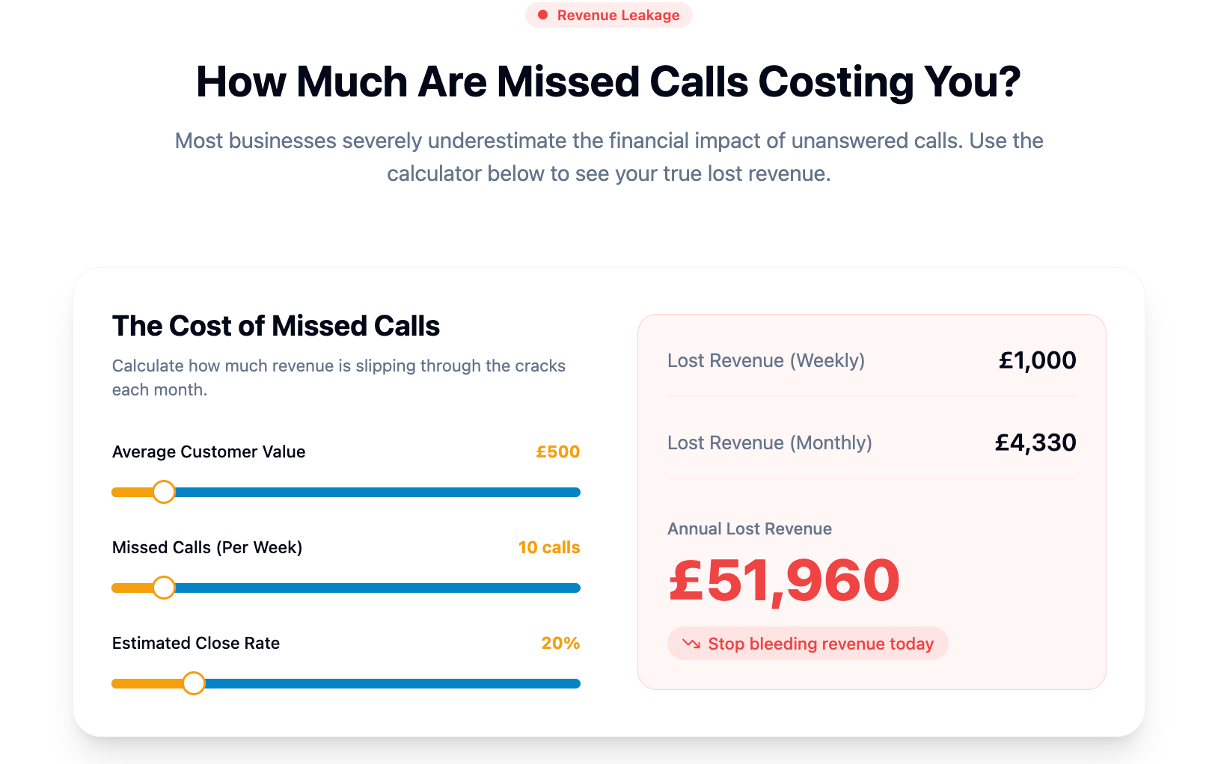
Talk2Aiva integrates with your existing booking setup and manages the full confirmation workflow: instant booking confirmations, timed reminders, and follow-ups for clients who do not respond. The platform also handles voice and SMS automation for missed calls and enquiries, so no revenue opportunity slips through. Setup, training, and ongoing support are all included. If you are ready to stop losing revenue to no-shows, see what Talk2Aiva can do for your salon.
FAQ
How much can SMS reminders reduce no-shows in a salon?
Automated SMS reminders reduce no-show rates by 25–80%, with optimised two-way confirmation workflows pushing rates from as high as 12% down to below 2%.
What is the difference between a one-way reminder and a two-way SMS confirmation?
A one-way reminder notifies the client of their appointment. A two-way confirmation asks the client to reply YES or NO, which creates active accountability and allows the salon to reallocate cancelled slots in real time.
How often should a salon send SMS appointment reminders?
The most effective sequence is three messages: an immediate confirmation at booking, a 48-hour reminder, and a 24-hour final reminder. Adding a same-day message is worthwhile for high-value services such as colour treatments.
Can SMS reminders also help with client rebooking?
Yes. Proactive personalised rebooking SMS messages increase rebooking rates by 18–24% compared to reminder-only usage, particularly when messages include a direct booking link to remove friction.
How do I avoid annoying clients with too many text messages?
Reserve SMS for appointment confirmations and rebooking prompts only. Using SMS for brief, time-sensitive messages and email for promotions and longer content keeps opt-out rates low and maintains client engagement over time.