
Text marketing is one of the most direct revenue tools available to UK salon owners right now. SMS open rates are very high, with click-through rates strong, and most messages are read within minutes of delivery. For a salon, that kind of reach means a rebooking reminder sent on a Tuesday morning can fill chairs by lunchtime. The role of text marketing in salon growth goes well beyond appointment reminders. Done properly, it reduces no-shows, recovers cancelled slots, drives retail sales, and turns first-time visitors into regulars.
Here is what SMS marketing delivers for salons:
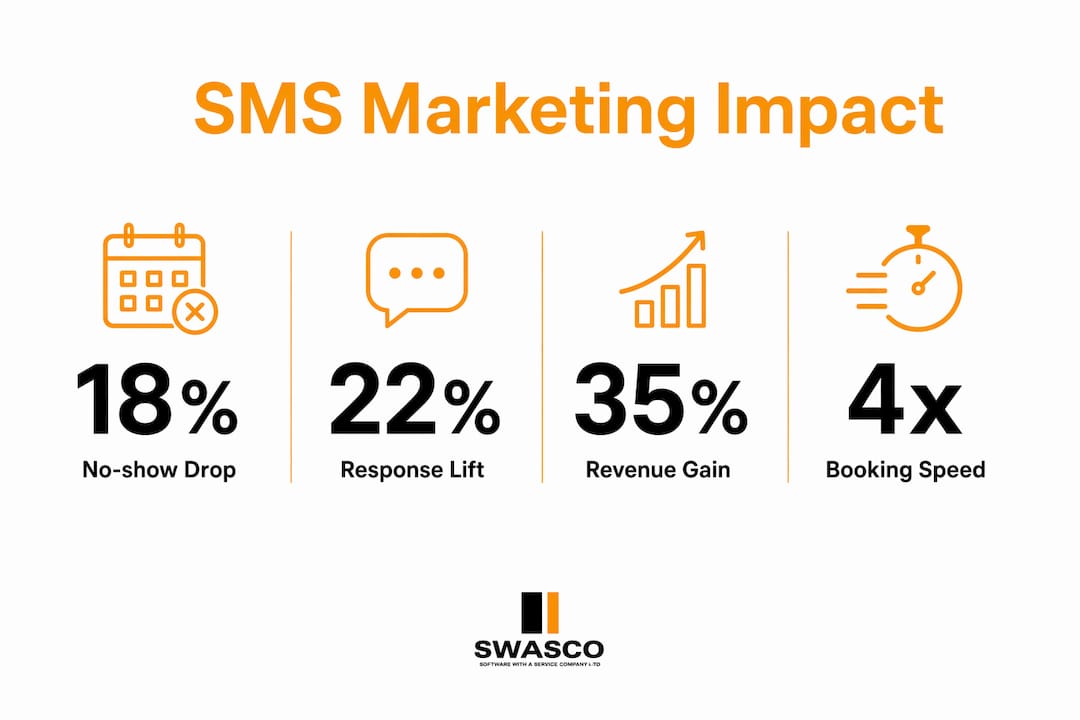
- Fewer no-shows. Automated confirmation sequences reduce no-show rates from the typical 12–20% down to 4–8%.
- Higher rebooking rates. Proactive SMS rebooking programmes achieve 18–24% higher rebooking rates than reminder-only approaches.
- Better first-visit conversion. Top-performing salons using systematic SMS communication convert a substantially higher percentage of first-time clients to a second visit compared to the industry average.
- Increased client spend. Salons using both automated and campaign marketing see an 11% rise in total client spend and a 25% increase in service revenue.
- Retail sales growth. Timed product reorder reminders generate repeat retail purchases between appointments.
- Stronger loyalty. Stylist-personalised texts build the personal relationship that keeps clients coming back.
Integration with your salon management system and booking software is what makes all of this automatic rather than manual.

Why SMS outperforms email for time-sensitive salon messages
Email has its place in salon marketing, but it is the wrong tool for urgent, transactional communication. Most clients' inboxes are cluttered, and an email about a last-minute opening at 11am is unlikely to be read before the slot disappears. SMS cuts through that noise immediately.
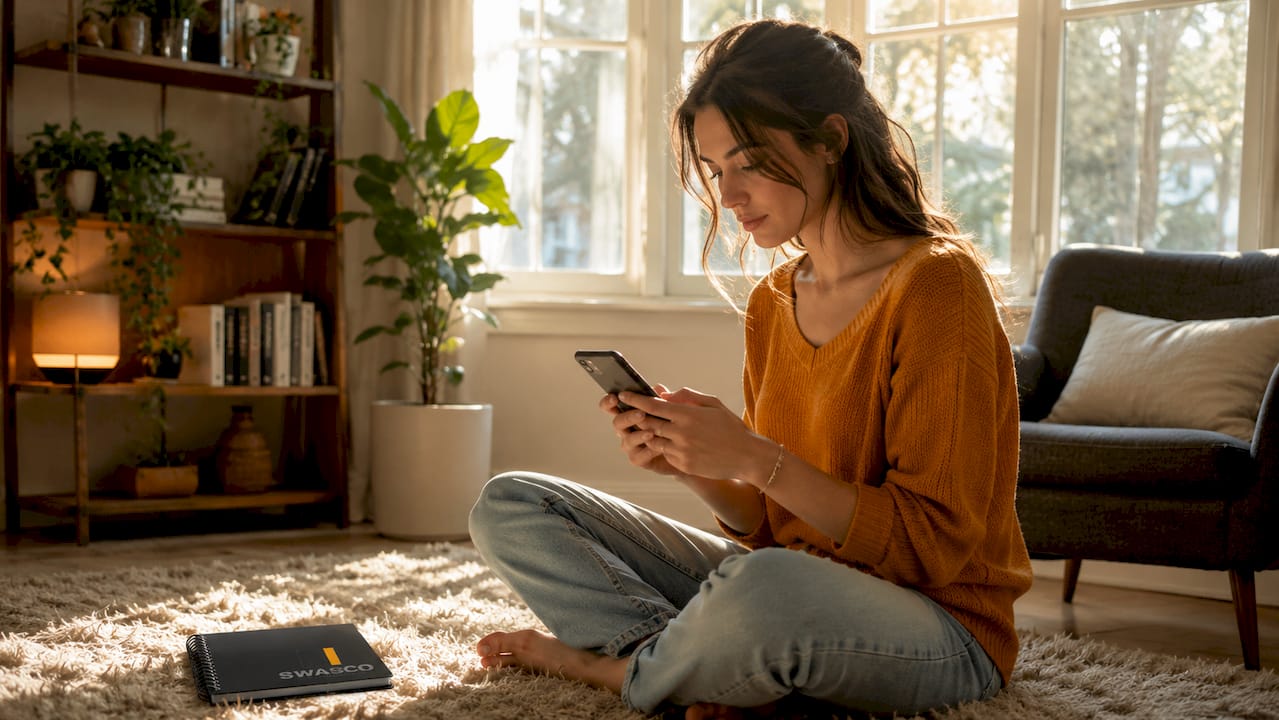
That said, the two channels are not in direct competition. Salonkee's experts advise reserving SMS for time-sensitive messages and using email for newsletters, longer promotions, and content that benefits from visuals. The key difference comes down to client expectations: a text feels personal and immediate, while an email feels like a broadcast.
Where SMS wins for salons:
- Speed. Over 90% of texts are read within three minutes, versus email campaigns that can sit unread for days.
- Open rates. SMS open rates exceed 90%; email open rates sit at around 11–30% depending on the list.
- Personal feel. Clients treat their text inbox as personal space, which raises both responsiveness and the irritation threshold if you misuse it.
- Direct booking. A text with a booking link gets acted on immediately. An email with the same link competes with dozens of other messages.
The caveat is real: because clients treat SMS as personal space, irrelevant or overly frequent texts generate opt-outs fast. Relevance and timing are non-negotiable.
Specific ways SMS marketing benefits your salon
The most successful salons treat SMS as a revenue driver, not just a reminder service. Here is where the channel earns its keep.
Reducing no-shows is the most immediate win. Salons without a systematic confirmation process typically see 12–20% of appointments go unfilled. A two-step SMS sequence, one confirmation at booking and one reminder 24–48 hours before, brings that figure down to 4–8% and recovers the revenue those empty chairs were costing.
Filling last-minute cancellations is where SMS genuinely outperforms every other channel. When a client cancels at 9am, a text to ten or fifteen overdue clients can fill that slot by 10am. Phone calls through a list take hours. A broadcast text takes seconds.
Proactive rebooking is the difference between a salon that reacts and one that plans. When a client is seven or more days past their average booking interval, an automated text referencing their stylist and their last service generates bookings that would otherwise never happen. This single automation fills more chairs than most other tactics combined.
Additional benefits include:
- Retail reorder reminders. A text sent six to eight weeks after a product purchase, noting the client is likely running low, drives repeat retail sales with minimal effort.
- Review generation. A text sent shortly after a visit, when the experience is fresh, produces far more reviews than a follow-up email.
- Client retention through personalisation. Texts that reference the client's stylist and service history feel like a message from someone who knows them, not a marketing blast.
Best practices for SMS marketing in your salon
Getting SMS right is mostly about restraint and personalisation. Here is what works.
Keep frequency low. Sending more than 3–4 texts per month, including automated messages, sharply increases opt-outs. Once a client opts out, you cannot text them again. That list is a permanent asset; protect it.
Personalise every message. Stylist-personalised texts achieve 22% higher response rates than generic brand-level messages. Reference the stylist's name, the client's last service, and the relevant timing. "Sarah recommends a toner refresh around the 8-week mark. You are at week 7." converts far better than "Book your next appointment today."
Time messages to action windows. Send rebooking reminders when a client is overdue, not on a fixed calendar schedule. Send cancellation-fill texts within minutes of a slot opening, not hours later.
Always include a direct booking link. Without one, you lose a large proportion of motivated responses. Every text should make it effortless to act.
Collect opt-ins at the chair. The best moment to ask a client for SMS consent is when they are happy with their service and still in the salon. A stylist asking directly is far more effective than a form on a website.
Build two-way conversations. Automated workflows handle the volume, but clients who reply deserve a real response. Two-way texting turns a broadcast channel into a digital receptionist that handles enquiries and bookings around the clock.
Pro Tip: Before sending any text, ask yourself: "Would a friend send this, or does it feel like marketing?" If it feels like marketing, rewrite it to be specific, personal, and relevant to that client's actual service history.
Choosing the right SMS marketing software for your salon
The right software does the heavy lifting so you are not manually sending texts or chasing confirmations. Here is what to look for.
Integration with your booking and POS systems is the foundation. When your SMS platform connects to your appointment data, messages trigger automatically: a booking fires a confirmation, a completed visit fires a rebooking prompt, a product purchase starts a reorder sequence. Without integration, you are doing this manually, which defeats the purpose.
Automated sequences handle the workflows that drive the most revenue: confirmation sequences, overdue rebooking reminders, cancellation-fill broadcasts, and post-visit follow-ups. Look for software that lets you build these once and run them without ongoing input.
Two-way texting is increasingly expected. Clients who reply to a reminder should be able to reschedule, ask a question, or confirm, without calling the front desk.
Segmentation and reporting let you send the right message to the right client and measure what is working. Segment by service type, visit frequency, or stylist to keep messages relevant.
Key features to prioritise:
- GDPR and PECR compliance tools, including opt-in management and audit trails (mandatory in the UK)
- Stylist-level personalisation in message templates
- Mobile app access for staff
- Clear reporting on delivery rates, click-throughs, and opt-outs
- Scalability as your client list grows
Salonkee is one platform built specifically for salons that combines booking management with SMS and email marketing, with compliance features designed for European and UK data regulations. For salons looking at broader CRM automation that extends beyond appointment reminders, platforms that integrate SMS with full client relationship management deliver the most complete picture of client behaviour and revenue.
What the research shows about SMS and salon growth
The data on SMS marketing in salons is consistent: systematic use of text communication increases revenue, improves retention, and reduces the cost of empty chairs.
Salons using both automated and campaign marketing see notable increases in service revenue and appointments per year, according to Kitomba's analysis of their salon client base. Automated marketing alone increases service revenue and client spend by meaningful margins.
First-to-second visit conversion is the metric that most directly predicts long-term growth. The industry average sits at 40–50%. Top-performing salons using systematic SMS communication achieve 65–75%, a gap that compounds significantly over time when you consider the lifetime value of each retained client.
Key research findings at a glance:
- Proactive SMS rebooking generates 18–24% higher rebooking rates than reminder-only programmes.
- Automated SMS confirmation sequences reduce no-shows substantially compared to typical rates.
- Stylist-personalised texts achieve notably higher response rates than generic messages.
- Salons using campaign marketing receive additional appointments per year and increased service spend.
The personalisation paradox, identified by Regulr's experts, is worth noting: automation is what makes SMS scalable, but clients respond to messages that feel human. The salons that get the best results balance automated workflows with genuine personalisation at the message level, referencing real service history and real stylist names rather than generic prompts.
Examples of SMS campaign types for salons
Different campaign types serve different business goals. The most effective salons run several in parallel.
Appointment confirmation and reminder sequences are the baseline. A confirmation at booking, followed by a reminder 24–48 hours before, handles the bulk of no-show prevention without any manual effort.
Overdue rebooking prompts target clients who are past their typical service interval. A text from their stylist, referencing their last service and suggesting a specific treatment, generates bookings that would otherwise be lost to inertia. You can explore salon promotional campaigns that combine these prompts with seasonal offers for stronger results.
Last-minute cancellation fills broadcast an available slot to a targeted list of overdue or waitlisted clients. Speed is everything here: a slot filled within an hour costs nothing; the same slot sitting empty all day costs you the full service value.
Seasonal and trend campaigns work well two or three times per year. A text tied to a specific trend and a booking link, sent at the start of a new season, gives clients a concrete reason to act rather than a vague invitation to "book now."
Product reorder reminders are sent six to eight weeks after a retail purchase, when the client is likely running low. These convert well because they are genuinely useful, not promotional.
Review request texts sent within a few hours of a completed visit, while the experience is fresh, generate far more responses than any other review-gathering method.
VIP and loyalty messages reward high-frequency clients with early access to popular slots or exclusive offers, reinforcing the relationship that drives lifetime value.
How to measure whether your SMS campaigns are working
Tracking the right metrics tells you quickly what is generating revenue and what is wasting list capacity.
Appointment confirmation rate is your first indicator. If clients are not confirming, your reminder sequence needs adjusting, either in timing, wording, or the ease of the confirmation action.
No-show percentage should drop measurably within the first 60–90 days of running confirmation sequences. A rate above 8% after implementing SMS reminders suggests the sequence is not reaching clients at the right time.
Overdue rebooking rate measures how many clients book within 48 hours of receiving a rebooking prompt. A healthy benchmark sits at 22–32%.
First-to-second visit conversion is the most important long-term metric for growth. Track it monthly and compare against the 40–50% industry baseline.
Opt-out rate per send is your early warning system. A rate above 2% per message means your content is too promotional, your frequency is too high, or both.
Revenue attributed to SMS gives you the clearest ROI picture. Divide total revenue from SMS-driven appointments by total messages sent. Tracking this monthly shows whether your programme is growing or plateauing.
Common challenges in salon SMS marketing and how to fix them
High opt-out rates are almost always caused by sending too often or sending irrelevant content. Stick to 3–4 texts per month and make every message specific to that client's actual situation.
Low response rates usually mean messages are too generic. A text that says "20% off all services this week" performs far worse than one that references a specific stylist, a specific service, and a specific timing reason. Personalisation is not optional; it is what makes the channel work.
Empty booking links kill conversions. Every text must include a direct link to book. Without it, even motivated clients drop off because the next step requires too much effort.
List erosion happens when salons get excited and start texting too frequently. Once a client opts out, that channel is permanently closed. Treat your SMS list as a long-term asset and protect it with restraint.
Compliance gaps are a serious risk in the UK. The General Data Protection Regulation (GDPR) and the Privacy and Electronic Communications Regulations (PECR) require explicit opt-in consent before sending marketing texts. Keep records of when and how each client consented, and make opting out simple and immediate. Fines for non-compliance are substantial, and client trust is harder to rebuild than a list.
Poor integration with booking systems means messages go out at the wrong time or with incorrect details. Before launching any automated sequence, test every trigger against real appointment data to confirm the timing and content are accurate.
Building and maintaining an opted-in client contact list
Your SMS list is only as valuable as the quality of consent behind it. A list built on genuine opt-ins outperforms a larger list of reluctant recipients every time.
Collect consent at the chair. The moment a client is happy with their service is the best time to ask. A stylist saying "Can I send you a text when it is time to rebook?" feels natural and personal, not like a data collection exercise.
Use QR codes and booking pages. Place QR codes at reception and in the salon that link to a simple opt-in form. Online booking pages can include an SMS consent checkbox as part of the booking flow.
Be transparent about what clients are signing up for. Tell them how often you will text and what kinds of messages they will receive. Clients who know what to expect are far less likely to opt out.
Segment your list from the start. Record each client's service type, preferred stylist, and visit frequency at opt-in. This makes every subsequent message more relevant and reduces the risk of sending the wrong offer to the wrong person.
Audit your list regularly. Remove clients who have not engaged with any message in six months or more. A smaller, active list generates better results than a large, unresponsive one, and it reduces the risk of opt-outs dragging down your sender reputation.
Make opting out easy. UK law requires it, and clients who can opt out without friction are more likely to stay on the list longer. A simple "Reply STOP to unsubscribe" at the end of promotional texts is the standard approach. Follow-up automation tools can handle opt-out processing automatically, keeping your list clean without manual intervention.
Key takeaways
SMS marketing is the highest-return communication channel available to UK salons when used with personalisation, restraint, and proper integration with booking systems.
| Point | Details |
|---|---|
| No-show reduction | Automated SMS sequences reduce no-show rates from 12–20% down to 4–8%, recovering significant lost revenue. |
| Rebooking uplift | Proactive SMS rebooking achieves 18–24% higher rebooking rates than reminder-only programmes. |
| First-visit conversion | Top salons convert 65–75% of first-time clients to a second visit, against a 40–50% industry average. |
| Frequency discipline | Exceeding 3–4 texts per month sharply increases opt-outs; protect your list by sending only relevant, timely messages. |
| Personalisation impact | Stylist-personalised texts generate 22% higher response rates than generic brand-level messages. |
Ready to stop losing revenue between appointments?
Talk2Aiva by SWASCO gives your salon a 24/7 AI receptionist that handles missed calls, text enquiries, and booking follow-ups automatically, so no client slips through the gaps while you are with someone in the chair.
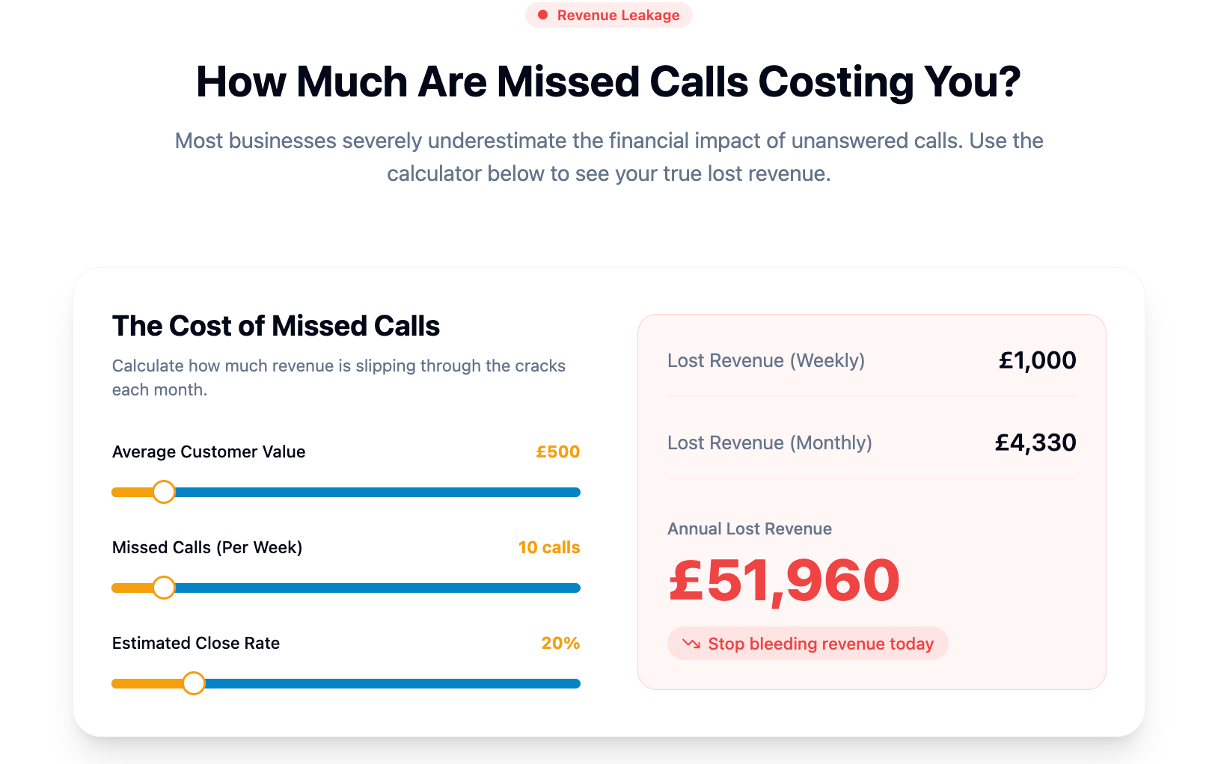
From automated SMS workflows to two-way client conversations, Talk2Aiva is built for service businesses that want to grow without adding to their workload. See how it works and find out how quickly you can recover the revenue you are currently leaving on the table.