
Property valuation lead nurturing steps are the structured follow-up processes that move a prospect from requesting an initial estimate to committing as a client. Most agents lose deals not through bad valuations but through slow, impersonal responses and inconsistent follow-up. Research confirms that most conversion opportunities are lost due to lack of follow-up, not outright rejection. The steps in this guide cover everything from first contact to long-term equity updates, giving property owners and investors a clear framework for turning valuation enquiries into committed relationships.
1. Respond within 24–48 hours with a personalised first contact
The first property valuation lead nurturing step is speed. Responding within 24–48 hours with a personalised introduction or valuation estimate is the single biggest lever you can pull on conversion rates. Leads go cold fast. A prospect who submits a valuation request on Monday and hears nothing until Thursday has already moved on mentally, if not literally.
Your first contact should not be a generic acknowledgement. Use the lead's property details to frame a brief, specific message. Reference the postcode, property type, or recent local sales to signal that you have actually looked at their situation.
- Send an automated acknowledgement within minutes of the enquiry landing
- Follow up with a personalised message or initial estimate within 24 hours
- Transition to a full Comparative Market Analysis (CMA) within 48 hours
- Use the prospect's name, property address, and local market context in every message
- Log all contact attempts in your CRM so nothing slips through
Pro Tip: Use AI-powered auto-responses to acknowledge leads instantly, even outside business hours. Instant lead acknowledgement measurably improves engagement rates before a human agent even picks up the phone.
2. Use automated valuation models as lead magnets, not final answers

Automated Valuation Models (AVMs) are the most effective entry point in the property valuation process. A well-structured valuation funnel moves leads from an automated initial estimate through personal consultation to ongoing market updates. AVMs attract volume because they offer instant gratification. The risk is that prospects treat the AVM figure as definitive, which creates problems when the human valuation differs.
Frame every AVM output as an "initial range" rather than a confirmed figure. This sets accurate expectations and creates a natural reason for the follow-up conversation. It also positions you as the expert who adds precision to what the algorithm can only approximate.
Pro Tip: Always include a disclaimer with AVM outputs stating that the figure is an estimate based on comparable data and that a full CMA will provide a more accurate picture. This protects your credibility and builds trust with the prospect from the first interaction.
3. Structure a multi-touch sequence across 30–90 days
Effective nurturing for valuation leads does not happen in one or two contacts. Nurture sequences spanning 30–90 days with approximately six well-spaced touchpoints deliver the best balance of education and soft conversion. That spacing matters. Too frequent and you become noise. Too sparse and the lead forgets you exist.
A proven schedule looks like this:
- Day 0: Automated acknowledgement plus AVM estimate delivered immediately
- Day 3: Personalised follow-up with a full CMA or detailed market commentary
- Day 10: Educational content, such as a local market report or recent comparable sales
- Day 21: Neighbourhood insight or equity update relevant to the prospect's property type
- Day 35: A soft call to action, such as an invitation to a free consultation or property review
- Day 45: A final check-in with a fresh market update and a clear next step
Each touchpoint should add genuine value. The goal for the first three contacts is education, not conversion. Prospects who feel informed rather than sold to are far more likely to respond positively when you do make a direct ask.
Pro Tip: Segment your sequence by lead source. A prospect who found you through a paid valuation tool has different intent from one who came via a referral. Tailor the content angle accordingly for better real estate lead management outcomes.
4. Compare AVMs and human expertise: which does what
The debate between automated and human valuations misses the point. They serve different functions in the nurturing process, and the most effective agents use both. Automated valuations attract leads initially but human-delivered CMAs create trust and improve conversion. Neither replaces the other.
| Factor | Automated Valuation Model (AVM) | Human CMA |
|---|---|---|
| Speed | Instant | 24–48 hours |
| Accuracy | Moderate, based on comparable data | High, accounts for property condition |
| Trust-building | Low, feels impersonal | High, demonstrates expertise |
| Cost to produce | Minimal | Time investment required |
| Best use in funnel | Lead magnet and first contact | Conversion and relationship-building |
| Scalability | High, handles volume automatically | Limited by agent capacity |
The table makes the strategy clear. Use AVMs to capture volume at the top of your funnel. Use human expertise to convert the leads that show genuine intent. Automation must complement human judgement, not replace it. Framing AVMs carefully is what keeps your credibility intact when the expert valuation arrives.
5. Use CRM systems to manage and qualify leads at scale
A CRM is not optional in modern real estate lead management. Integrated CRM systems that capture and enrich lead data automatically improve follow-up consistency and help agents tailor messaging based on lead intent. Without a CRM, you are relying on memory and spreadsheets, and both fail under volume.
The right CRM setup does three things well. It captures every lead automatically from every channel. It enriches that data with behavioural signals, such as which pages the prospect visited or which emails they opened. And it triggers follow-up actions based on those signals so no lead waits longer than it should.
- Capture leads from all channels into a single CRM record automatically
- Score and segment leads by intent signals such as email opens, page visits, and response time
- Set automated reminders for follow-up calls at each stage of the nurturing sequence
- Use drip campaign tools to deliver the 30–90 day sequence without manual effort
- Review CRM data weekly to identify stalled leads and re-engage them with fresh content
Tools like Monday.com CRM and purpose-built real estate platforms support these workflows out of the box. The key is consistent data entry and regular review. A CRM only works if the data inside it is accurate and current. You can also qualify property leads automatically using workflow rules that flag high-intent prospects for immediate human follow-up.
6. Persist respectfully with equity updates over 6–12 months
Valuation leads are rarely ready to list immediately. Leads typically take 6–12 months before making a listing decision. Pushing for a commitment in the first few weeks is the fastest way to lose a prospect who would otherwise have converted in month eight. Patience, combined with consistent value delivery, is the real competitive advantage here.
The content you send during this period should focus on equity and market movement rather than your services. An equity update that shows a prospect their estimated property value has increased by a meaningful amount is far more compelling than another email about why they should choose you as their agent.
- Send quarterly equity updates tied to local market data
- Share neighbourhood sales reports that are directly relevant to the prospect's area
- Offer market trend commentary that helps prospects time their decision
- Avoid repeating the same call to action in every message
- Vary your format across email, SMS, and direct mail to maintain visibility
Pro Tip: The most frequent error in nurturing is asking for business too early. Position yourself as a helpful resource first. The sale follows naturally when the prospect is ready.
7. Follow up systematically to avoid losing deals to silence
Second and third contact attempts signal professionalism and increase conversion likelihood. Most agents stop after one or two attempts. That is precisely why systematic follow-up is a competitive advantage rather than a standard practice. The agents who win the listing are often simply the ones who stayed in contact.
Systematic follow-up means scheduled, logged, and purposeful contact. Each attempt should introduce something new: a fresh comparable sale, an updated equity figure, or a relevant market insight. Repeating the same message with a different subject line is not follow-up. It is noise. You can build a reliable system for this by reading about how to follow up property leads systematically using structured workflows.
The difference between persistence and pressure is content quality. Professional persistence with valuable content rather than pure sales messaging maintains healthy lead relationships. Every contact should leave the prospect better informed than before. That is the standard worth holding yourself to.
Key takeaways
Effective property valuation lead nurturing requires rapid personalised response, a structured multi-touch sequence, and persistent long-term engagement built on genuine market insight rather than sales pressure.
| Point | Details |
|---|---|
| Speed of first response | Contact leads within 24–48 hours with a personalised message or valuation estimate. |
| AVM as funnel entry point | Use automated estimates to attract leads, then follow up with a human CMA to build trust. |
| 30–90 day sequence | Six touchpoints across 30–90 days balances education and conversion without overwhelming prospects. |
| CRM for consistency | Capture, enrich, and segment lead data automatically to avoid missed follow-ups at scale. |
| Long-term equity updates | Most leads take 6–12 months to decide; equity updates keep you relevant without applying pressure. |
Why I think most agents get lead nurturing backwards
The conventional wisdom says nurture leads until they are ready, then close. What I have seen in practice is that most agents invert this. They push for a commitment in the first two contacts, get silence, and then abandon the lead entirely. Both mistakes cost them the deal.
The agents who consistently convert valuation leads do something counterintuitive. They spend the first month giving away information that most competitors would charge for. Local market reports, equity calculations, comparable sales breakdowns. None of it asks for anything in return. By the time they make a direct ask, the prospect already trusts them more than any other agent in the area.
The technology side of this has shifted significantly in 2026. AI tools now handle the volume problem that used to make long-term nurturing impractical for individual agents. You can maintain a 90-day sequence across hundreds of leads without writing a single email manually. But the agents who rely entirely on automation without injecting genuine local knowledge into their content are producing sequences that feel generic. Prospects notice.
My honest view is that the future of property valuation lead nurturing belongs to agents who use automation for timing and delivery, and human expertise for content quality. Neither alone is enough. The combination is what converts a six-month lead into a signed instruction.
— James Paul
How Talk2Aiva helps you stop losing valuation leads
Property valuation enquiries arrive at all hours. If your response depends on office hours, you are losing leads before the conversation even starts.
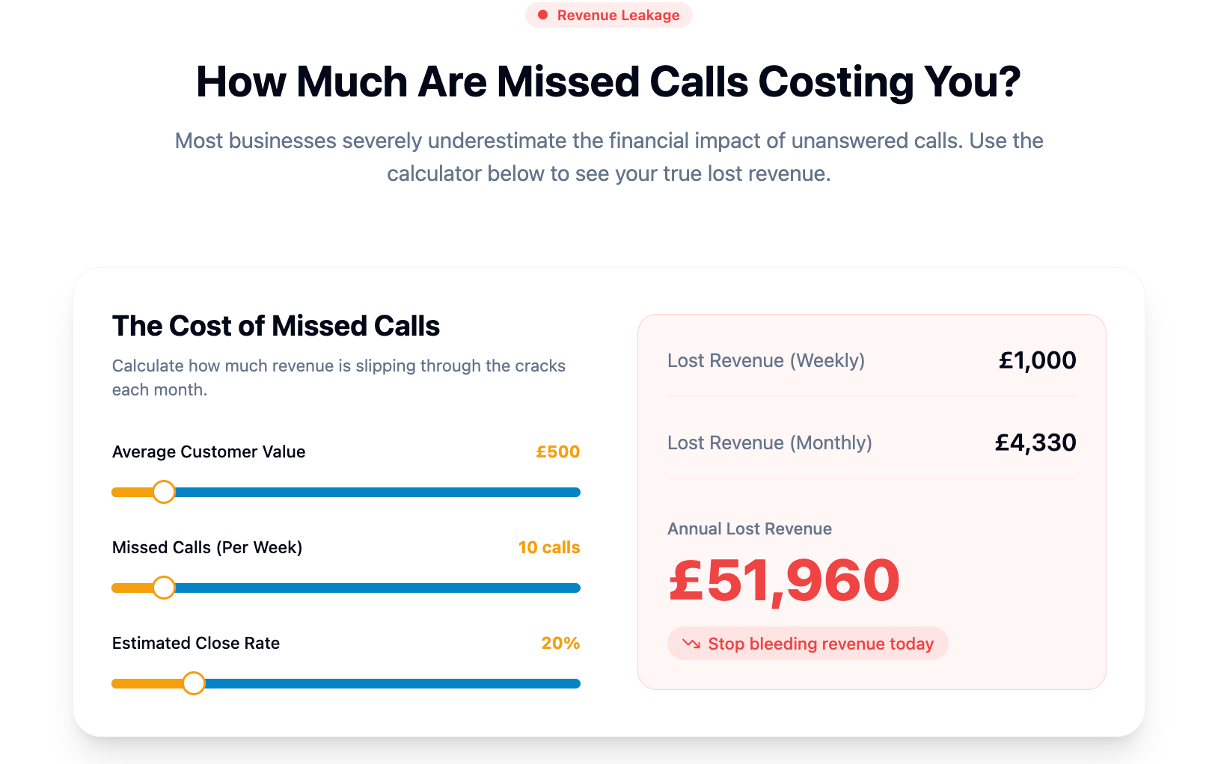
Talk2Aiva by SWASCO is built to fix exactly that. It engages, qualifies, and follows up with valuation leads 24/7 across calls, SMS, website chat, and social media. Every lead is captured, logged, and placed into a nurturing workflow automatically. No missed calls. No delayed responses. No leads falling through the cracks at 9pm on a Sunday. If you are ready to put your property lead nurturing on a system that works around the clock, Talk2Aiva is built for that.
FAQ
How quickly should I respond to a property valuation lead?
Respond within 24–48 hours with a personalised message or initial valuation estimate. The faster your first contact, the higher your conversion rate.
What is the difference between an AVM and a CMA?
An Automated Valuation Model (AVM) provides an instant estimate based on comparable data. A Comparative Market Analysis (CMA) is a human-delivered assessment that accounts for property condition, local nuance, and current demand.
How many follow-up contacts should a valuation lead receive?
A structured sequence of approximately six touchpoints across 30–90 days is the recommended approach. Each contact should add new value rather than repeat the same message.
How long does it take for a valuation lead to convert?
Most valuation leads take 6–12 months before making a listing decision. Long-term nurturing with equity updates and market insights keeps you relevant throughout that period.
What is the biggest mistake agents make with valuation leads?
Asking for business too early is the most common error. Positioning yourself as a helpful resource in the first few contacts builds the trust that converts prospects when they are genuinely ready to act.