
A property listing enquiry management checklist is a structured process that defines every step from first contact to conversion, covering response timing, qualification, nurture, and CRM integration. Without one, leads fall through the gaps. Speed-to-lead is the industry term for the principle that governs this process: the faster you respond, the higher your conversion probability. Agents who contact a lead within the first 5 minutes dramatically outperform those who wait. Full conversion cycles in property typically span 6–12 months, which means your checklist must cover both the first minute and the following months.
1. Why speed is the foundation of your enquiry management checklist
Contacting a lead within 5 minutes of their enquiry significantly increases conversion probability. Delays beyond 24 hours reduce your chances to near zero. That single fact should shape every decision in your listing inquiry management guide.
The first touch does not need to be a phone call. An automated acknowledgement sent within seconds tells the prospect their enquiry was received and sets expectations. The personal call or message should follow within 24 hours at the latest.
- Send an automated acknowledgement within 60 seconds of enquiry receipt
- Make a personal call or send a personalised text within 24 hours
- Log the contact attempt in your CRM immediately, regardless of outcome
- Set an automated reminder if no response is received within 48 hours
Pro Tip: Use your CRM's workflow triggers to fire an automated text the moment a new lead lands. Pair it with a scheduled task for a personal call the next morning. This two-step approach covers both speed and human connection without relying on memory.
2. Initial enquiry handling: capture, qualify, and route
Replacing static enquiry forms with conversational qualification boosts lead engagement and conversion. A static form collects data. A conversational agent builds rapport while collecting the same data. The difference in lead quality is significant.

The BANT framework (Budget, Authority, Need, Timeline) is the standard qualification model in real estate. The key is gathering this information naturally, not mechanically. Hub-and-spoke questioning allows you to qualify leads without sounding like an interrogator. You open with a broad, easy question, then branch into specifics based on the answer.
Your initial handling checklist should include:
- Capture full contact details across all channels (web, phone, social, email)
- Trigger an automated CRM entry the moment the enquiry arrives
- Send a conversational qualification sequence via chat or SMS
- Collect budget range, preferred location, property type, and move timeline
- Score the lead based on responses and route hot leads to an agent immediately
- Log all qualification data against the contact record before the first call
Qualifying property leads automatically removes the manual friction that causes delays and missed opportunities. Agents who rely on manual data entry consistently lose leads to slower but more organised competitors.
3. How to structure a multi-touch nurture sequence
A 14–21-day nurture sequence involving automated emails, personal calls, and educational content improves lead conversion. Most agents stop after one or two attempts. That is the single most common reason viable leads go cold.
The minimum standard is 7 touches before a lead is considered exhausted. Each touch should add value, not just check a box. Segmenting your nurture by location, property type, and budget makes each message feel relevant rather than generic.
| Touch | Timing | Type | Purpose |
|---|---|---|---|
| 1 | Immediate | Automated text/email | Acknowledge enquiry, set expectations |
| 2 | Within 24 hours | Personal call | Build rapport, qualify BANT |
| 3 | Day 3 | Educational email | Market insight or area guide |
| 4 | Day 7 | Personal follow-up call | Check interest, answer questions |
| 5 | Day 10 | Automated email | New listings matching criteria |
| 6 | Day 14 | Personal text or voicemail | Soft check-in |
| 7 | Day 21 | Market update email | Maintain visibility and trust |
Pro Tip: Segment your nurture sequences by buyer type. A first-time buyer needs different content than an investor. Your CRM can tag leads on qualification and trigger the correct sequence automatically, saving hours of manual sorting each week.
Following up property leads systematically is what separates agents who convert at scale from those who rely on luck. Persistence, not charm, drives conversion rates.
4. CRM and automation integration for effective property inquiries
Automated lead ingestion, task reminders, and drip campaigns in CRMs are not optional extras. They are the infrastructure that makes your property management checklist repeatable at volume. Without automation, your checklist is just a document nobody follows under pressure.
Real-time lead ingestion means every enquiry from every channel lands in one place instantly. A unified communication log means any agent can pick up a lead mid-sequence without losing context. Pipeline tracking gives you visibility across every active lead at a glance.
Your CRM integration checklist should cover:
- Connect all lead sources (portals, website, social, phone) to a single CRM inbox
- Automate task creation on lead receipt, including call reminders and follow-up emails
- Set pipeline stages that reflect your actual sales process, not a generic template
- Use lead scoring to surface high-priority contacts automatically
- Schedule automated drip campaigns triggered by lead behaviour, not just time
Pro Tip: API integrations between ad platforms and your CRM eliminate manual copy-paste errors entirely. If you are still copying lead details from a portal email into a spreadsheet, you are losing leads to data entry delays every single day.
Automated lead follow-up is not about removing the human element. It is about protecting your human effort from being wasted on tasks a system can handle faster and more reliably.
5. Common mistakes in enquiry management checklists
Overly complex SOPs reduce compliance. When a checklist bundles too many tasks into a single item, agents skip steps under pressure. The fix is granularity: one task, one action, one outcome per checklist item.
The most common mistakes agents make are predictable and avoidable:
- Calling only once or twice before marking a lead as dead. The data is clear: most viable leads require 7 or more touches before converting.
- Using interrogation-style qualification. Firing BANT questions in sequence kills rapport. Use the hub-and-spoke method to gather the same information conversationally.
- Bundling move-in inspections with routine maintenance in a single checklist item. These are separate tasks with separate compliance requirements. Split them.
- Relying on memory for follow-up. Manual follow-up fails agents consistently. Automated multi-channel cadences remove the dependency on individual discipline.
- Ignoring lead source data. Not all enquiries carry the same intent. A portal enquiry and a direct website enquiry need different qualification approaches.
Why manual follow-up fails agents is not a mystery. It fails because humans are inconsistent under workload, and workload in property management is never predictable.
Key takeaways
A property listing enquiry management checklist works because speed, persistence, and automation together determine whether a lead converts or goes to a competitor.
| Point | Details |
|---|---|
| Respond within 5 minutes | First-touch speed is the single biggest factor in lead conversion probability. |
| Use conversational qualification | Hub-and-spoke BANT questioning builds rapport and collects data without interrogating the lead. |
| Commit to 7 or more touches | Most viable leads require at least 7 contacts before converting; stopping early loses revenue. |
| Automate your CRM workflows | Real-time lead ingestion and automated task creation remove human error from the process. |
| Keep checklists granular | One task per checklist item improves team compliance and reduces liability. |
Why discipline beats talent in property enquiry management
The agents I have seen convert consistently are rarely the most charismatic. They are the most organised. They have a checklist, a CRM that enforces it, and the discipline to treat every enquiry as if it were their only one that week.
The industry obsesses over scripts and personality. The real differentiator is process. Lead management is a discipline best supported by automation and persistence, not talent alone. I have watched talented agents lose deals to average agents who simply followed up one more time.
Conversational qualification changed how I think about the first contact entirely. The moment you stop treating the initial enquiry as a data-gathering exercise and start treating it as a rapport-building conversation, your qualification rates improve without any extra effort. The data still gets collected. The lead just does not feel processed.
The biggest missed opportunity I see is in the middle of the nurture sequence, between day 3 and day 14. Agents either go quiet or send generic emails. That window is where trust is built or lost. A market update, a relevant new listing, or a brief personal check-in during that period does more for conversion than any script ever will.
Adopt a proactive mindset. Your checklist is not a safety net for when things go wrong. It is the engine that makes things go right, every time, regardless of who is on shift.
— James Paul
How Talk2Aiva supports your property enquiry process
Managing enquiries across calls, texts, web chat, and social media is a full-time job on its own. Talk2Aiva by SWASCO handles that job automatically, 24 hours a day.
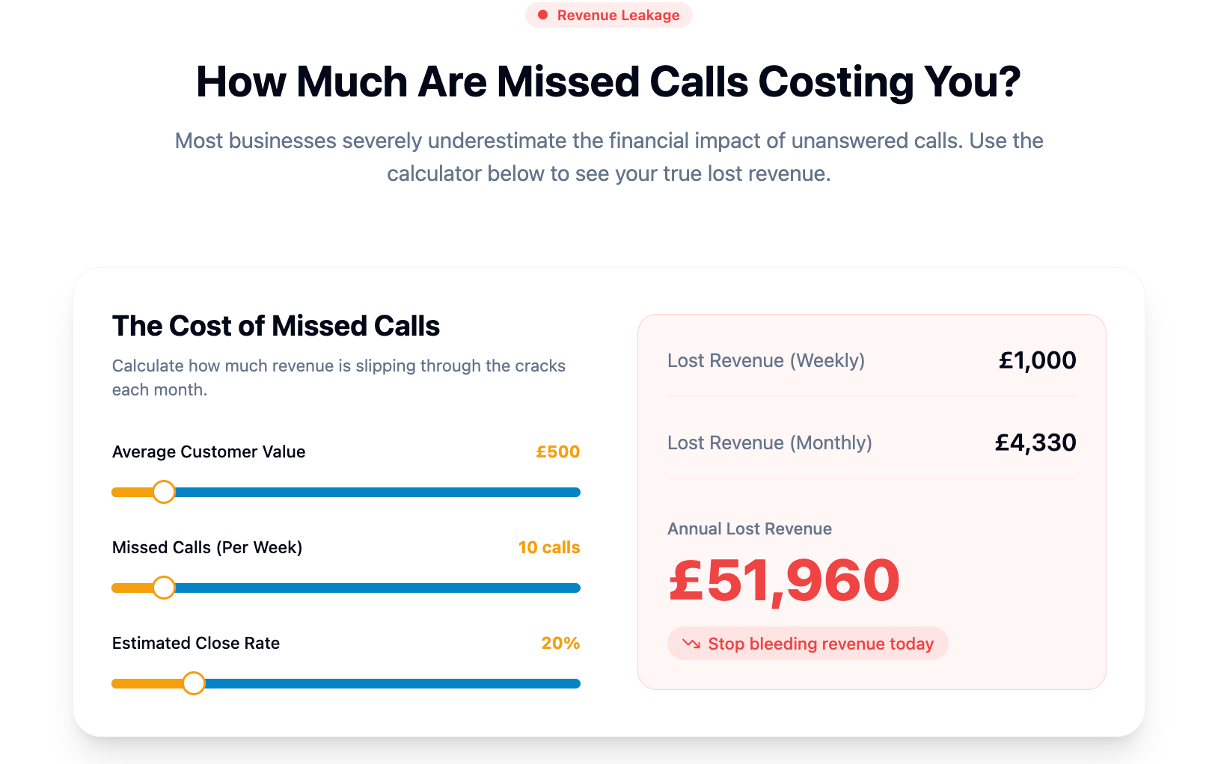
Talk2Aiva's Voice AI engages every inbound enquiry instantly, qualifies leads conversationally using BANT-style questions, and routes hot prospects to the right agent without delay. Missed calls get followed up. Unread messages get answered. Every lead gets logged. The platform also automates multi-channel nurture cadences, so your 7-touch sequence runs without manual input. If you want to see how it works end to end, the full process is outlined on the SWASCO website.
FAQ
What is a property listing enquiry management checklist?
A property listing enquiry management checklist is a structured list of tasks covering lead capture, qualification, follow-up, and CRM logging to convert enquiries into clients. It defines timing, channels, and responsibilities for every stage of the real estate inquiry process.
How quickly should agents respond to a property enquiry?
Agents should respond within 5 minutes of receiving an enquiry. Delays beyond 24 hours significantly reduce conversion probability, according to speed-to-lead guidance from conversion-focused agencies.
How many follow-up attempts does it take to convert a property lead?
Most viable leads require a minimum of 7 touches before converting. Agents who stop after 1–2 attempts lose the majority of leads that would have converted with persistence.
What is hub-and-spoke questioning in real estate qualification?
Hub-and-spoke questioning is a method where you open with a broad, comfortable question and branch into specific BANT criteria based on the lead's response. It collects budget, authority, need, and timeline data without sounding like an interrogation.
How does CRM automation improve enquiry management?
CRM automation ensures every lead is captured in real time, every follow-up task is scheduled automatically, and no contact falls through the gaps due to manual error or workload pressure.