
Automated landlord onboarding is defined as the use of software, AI, and workflow tools to replace manual tasks across the tenant journey, from application to move-in. When you automate landlord onboarding process steps correctly, you can reduce total wait times by 40–60% and cut manual workload by up to 50%. Platforms like Moxo, Neudash, and Syntora have made this achievable for landlords managing even a handful of properties. The result is faster move-ins, fewer errors, and a process that runs without you chasing paperwork at every turn.
What tools do you need to automate landlord onboarding effectively?
The right landlord onboarding software stack covers four core categories: digital application portals, screening APIs, e-signature tools, and workflow automation platforms. Each category handles a distinct part of the process. When they connect, the whole journey runs without manual handoffs.

Digital application portals collect tenant data through structured online forms. They replace PDF attachments and email chains with a single, trackable submission point.
Screening APIs pull background, credit, and eviction data automatically. Tools like Neudash and Turn.ai connect directly to reference databases and return results in minutes rather than days.
E-signature platforms such as DocuSign and Adobe Acrobat Sign send, track, and store signed tenancy agreements without printing a single page.
Workflow automation platforms like Moxo and Syntora tie everything together. They assign tasks, trigger notifications, and route documents based on rules you set once and reuse every time.
Here is how leading platforms compare:
| Platform | Core Strength | Key Integration |
|---|---|---|
| Moxo | End-to-end workflow management | E-signature, document sharing |
| Neudash | Tenant screening automation | Credit and background check APIs |
| Syntora | AI-powered income verification | Bank statement parsing |
| Turn.ai | Fast parallel screening | Pre-verified portable data |
| DocuSign | E-signature and agreement tracking | Most major property platforms |
Disconnected tools create their own bottlenecks. A screening tool that does not feed results into your workflow platform forces someone to copy data manually, which reintroduces the errors you were trying to remove. Prioritise platforms with native integrations or open APIs.
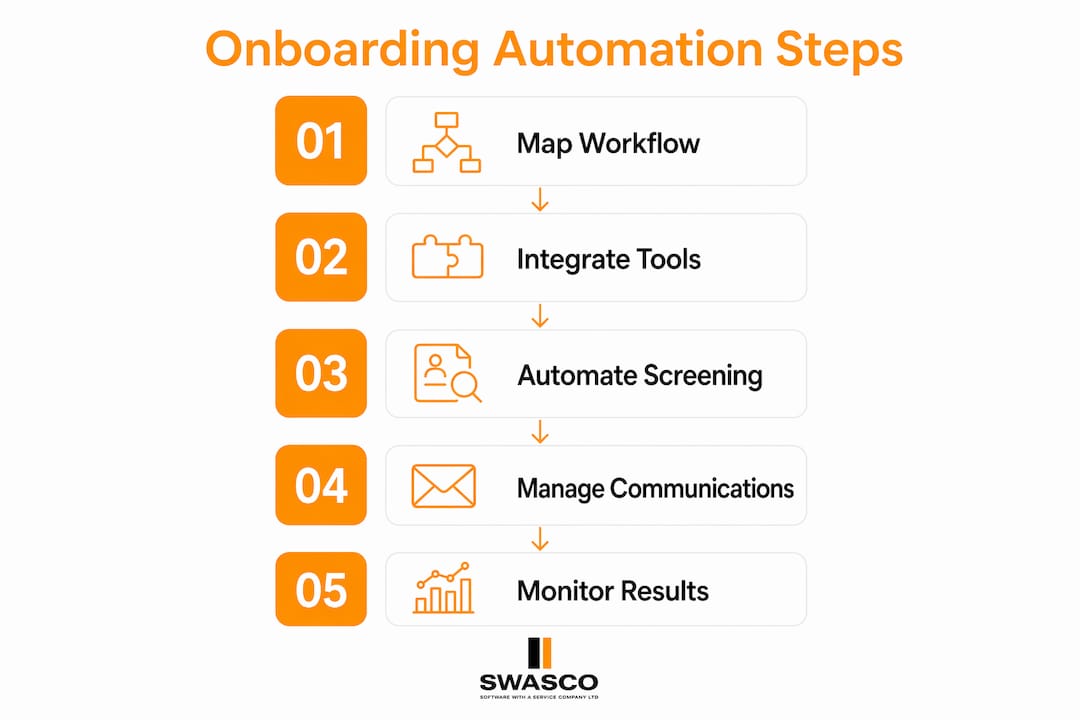
Pro Tip: Before committing to any platform, test its API documentation. If it requires a developer to connect two tools, factor that cost into your decision.
How do you map your onboarding workflow before automating?
Careful workflow mapping before automation is the single most important step most landlords skip. Automating a broken process does not fix it. It makes mistakes happen faster and at scale.
Start by writing out every step from the moment a prospective tenant enquires to the day they collect their keys. Include who does what, how long each step takes, and where delays typically occur. You will almost certainly find steps that exist only because "that is how it has always been done."
Common manual tasks ready for automation include:
- Sending application forms and chasing incomplete submissions
- Requesting and reviewing ID documents
- Ordering reference and credit checks
- Drafting and sending tenancy agreements
- Collecting deposit payments and issuing receipts
- Sending move-in instructions and property information packs
Once you have your process documented, build logic maps. A logic map defines what happens next based on a specific outcome. For example: if a credit check passes, trigger the tenancy agreement. If it fails, route to manual review. These rules become the backbone of your automated workflow.
Pro Tip: Run your current process end-to-end with a stopwatch before you automate anything. Knowing your baseline time-to-move-in gives you a real benchmark to measure improvement against.
The most common pitfall here is automating without defining decision logic for borderline cases. If your system does not know what to do when a tenant's income is slightly below your threshold, it will stall. Define every escalation rule before you go live.
Step-by-step: how to automate tenant screening and verification
Automated tenant screening is the highest-value component of digital landlord onboarding. The speed gains alone justify the investment. AI-based screening tools verify income in 90–120 seconds, compared to the 20 minutes the same task takes manually.
The key configuration decision is parallel versus sequential checks. Running background, credit, income, and eviction checks one after another creates a bottleneck at each stage. Running all checks simultaneously collapses a multi-day process into hours. Platforms like Neudash and Turn.ai are built specifically for parallel processing.
Follow these steps to set up automated screening:
- Connect your screening APIs to your application portal so data flows automatically on submission.
- Configure parallel check triggers so background, credit, eviction, and employment checks all fire at once.
- Set minimum approval criteria such as credit score thresholds and debt-to-income ratios.
- Define auto-approval rules for applicants who meet all criteria without manual review.
- Set escalation rules for borderline cases, routing them to a named team member with a deadline.
- Automate result notifications so applicants receive updates without you sending a single email.
Here is how manual and automated screening timelines compare:
| Task | Manual Timeline | Automated Timeline |
|---|---|---|
| Income verification | 20 minutes | 90–120 seconds |
| Full screening package | 3–5 days | 6 hours (median) |
| Instant pre-verified checks | Not available | 30–60 seconds |
| Move-in from application | 10–14 days | Under 7 days |
AI eliminates human bias by applying objective criteria consistently across every application. This matters for Fair Housing compliance. Every decision is made against the same pre-set rules, with no variation based on who reviews the file.
Pro Tip: Keep a manual review queue for applications that fall within 5% of your approval threshold. Automation handles the clear passes and clear fails. Human judgement handles the grey area.
Should you automate every part of the tenant onboarding journey?
Full automation is not the right answer at every stage. Key handovers and 30-day check-in calls must remain personal. These moments define how a tenant feels about their landlord for the entire tenancy.
An automated welcome message sent the moment a lease is signed feels transactional. A brief personal call or message from you or your property manager feels like care. The difference in tenant retention over a 12-month tenancy is significant.
Here is a practical split between what to automate and what to keep personal:
Automate these tasks:
- Application form delivery and chasing
- Reference and credit check requests
- Tenancy agreement generation and sending
- Deposit collection reminders
- Move-in document packs and utility setup guides
- Maintenance request logging and acknowledgement
Keep these interactions personal:
- Initial welcome call after lease signing
- Key handover and property walkthrough
- 30-day check-in to address early concerns
- Lease renewal conversations
- Any communication involving a complaint or dispute
"Automation should handle the administrative burden so that landlords and property managers can focus their time on the moments that actually build trust. Replacing those moments with automated messages is a false economy."
This balance is where maintaining tenant trust during automation becomes a genuine competitive advantage. Tenants who feel well-managed renew. Tenants who feel processed leave.
How do you monitor and improve your automated onboarding system?
Automated workflows assign tasks with deadlines and track completion in real time. That visibility is only useful if you review it regularly. Set a monthly review cadence from day one.
The metrics worth tracking are:
- Time-to-move-in: Your primary efficiency indicator. Target under 7 days from application to key handover.
- Automation coverage rate: The percentage of onboarding steps completed without manual intervention. Aim above 70%.
- Error rate: Incomplete applications, failed document sends, or missed deadlines flagged by the system.
- Tenant satisfaction score: Collected via a short post-move-in survey. Three questions is enough.
- Screening turnaround time: Track against the 6-hour median benchmark from platforms like Turn.ai.
Most platforms including Moxo and Neudash include built-in dashboards. Use them. Do not rely on spreadsheets to track a process that is supposed to remove manual work.
Pro Tip: Set an automated alert for any onboarding case that exceeds your target timeline. Early flags prevent small delays from becoming tenancy voids.
Common automation pitfalls to watch for include workflow rules that fire in the wrong order, API timeouts that stall a screening check, and notification templates that contain outdated information. Review your logic maps every quarter and update them when your process changes. Automation is not a set-and-forget system. It rewards the landlords who treat it as a living process.
Key takeaways
Automating the landlord onboarding process delivers measurable time savings, reduces manual errors, and produces faster move-ins, but only when workflows are mapped, decision logic is defined, and human touchpoints are preserved.
| Point | Details |
|---|---|
| Map before you automate | Document every step and define decision logic before configuring any platform. |
| Run screening checks in parallel | Parallel checks reduce full screening from days to under six hours. |
| Preserve personal touchpoints | Key handovers and 30-day check-ins must remain personal to protect tenant loyalty. |
| Track time-to-move-in | Use platform dashboards to monitor your primary efficiency metric every month. |
| Choose integrated platforms | Disconnected tools reintroduce manual errors. Prioritise native integrations. |
The mistake most landlords make when they automate
I have worked with enough property managers to know the most common automation mistake. They buy the software first and map the process second. Or they never map it at all.
The appeal is understandable. A platform like Moxo or Syntora looks capable from the demo. The temptation is to configure it around your existing habits and hope it tidies things up. It does not. What it does is lock your existing inefficiencies into a system that runs them faster and more consistently than before.
The landlords who get the best results from digital onboarding spend two to three weeks doing nothing but documenting their current process. They time every step. They identify every point where a file sits in someone's inbox waiting for action. Only then do they start configuring automation.
The second mistake I see regularly is over-automating tenant communications. I understand why. If you can send a welcome email automatically, why would you pick up the phone? Because the tenants who receive a personal call in their first week renew at a higher rate. That is not sentiment. That is revenue.
The role of AI in reducing operational costs is real and growing. But the landlords who use it well treat it as a tool that handles administration so they can focus on relationships. The ones who use it poorly treat it as a replacement for those relationships entirely.
Measure everything from the start. Your time-to-move-in before automation is your baseline. Every improvement you make should show up in that number. If it does not, something in your configuration is wrong and you need to find it.
— James Paul
How Talk2Aiva helps you handle enquiries while your onboarding system runs
You can have the best automated onboarding workflow in place and still lose prospective tenants before they ever reach your application form. Missed calls and slow responses at the enquiry stage cost landlords real revenue every week.
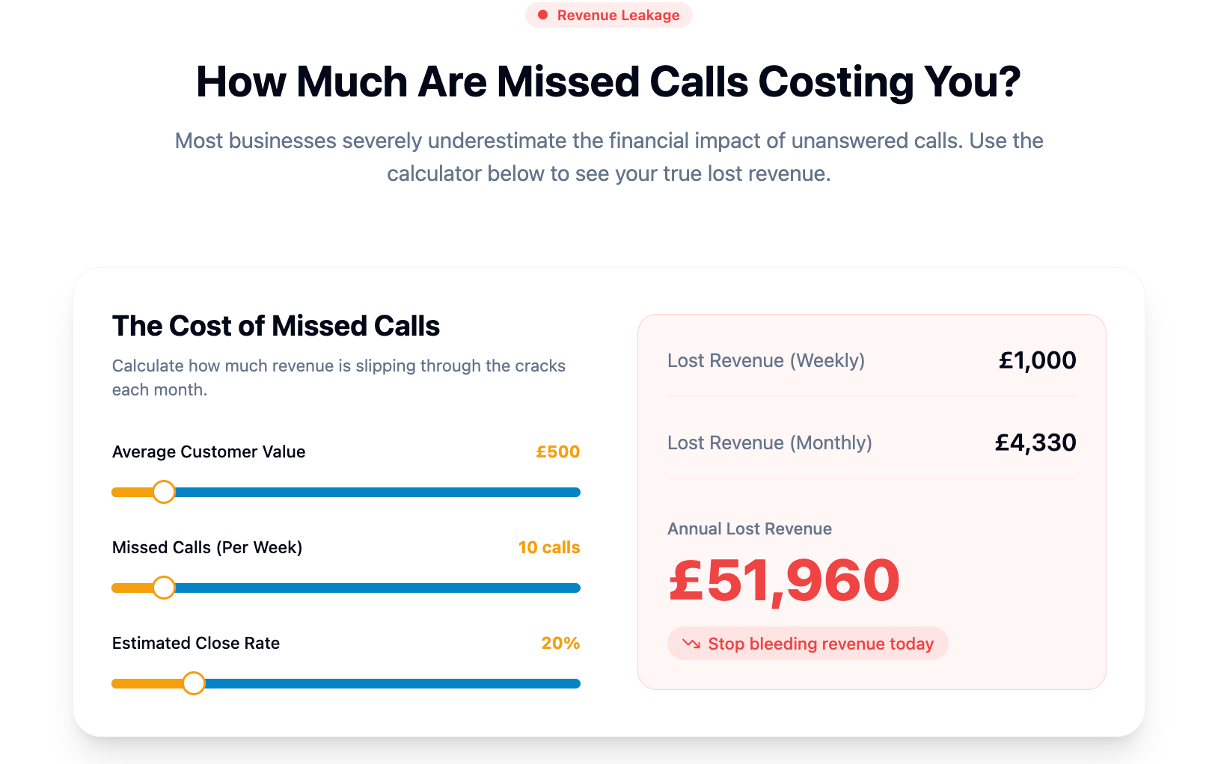
Talk2Aiva by SWASCO solves that problem. It uses conversational AI to instantly engage, qualify, and follow up with property enquiries across calls, text, website chat, and social media, 24 hours a day. Every lead is captured and routed before it goes cold. Pair that with your automated onboarding platform and you have a complete system from first contact to signed tenancy. Setup, AI training, and ongoing support are all included so you can focus on managing properties, not managing software.
FAQ
What is automated landlord onboarding?
Automated landlord onboarding is the use of software and AI to handle tenant application processing, screening, document signing, and move-in coordination without manual intervention at each step. Platforms like Moxo, Neudash, and Syntora are commonly used to build these workflows.
How much time does automating tenant screening actually save?
AI screening tools reduce income verification from 20 minutes to under 90 seconds, and full screening packages drop from 3–5 days to a median of six hours. Move-in timelines can fall below 7 days from application.
Do i need technical skills to set up landlord onboarding software?
Most modern platforms use visual workflow builders that require no coding. You define your rules and triggers through a drag-and-drop interface. Complex API integrations may require a developer, but standard configurations are designed for non-technical users.
Which parts of onboarding should never be automated?
Key handovers, 30-day check-in calls, and lease renewal conversations should remain personal. These moments directly affect tenant satisfaction and renewal rates.
How do i know if my automated onboarding is working?
Track time-to-move-in, automation coverage rate, and tenant satisfaction scores monthly. Most platforms including Moxo and Turn.ai provide built-in dashboards to monitor these metrics in real time.