
The fastest way to stop losing gym leads is to reply within minutes, then run a five-touch cadence across three stages over 30 days, backed by CRM automation that never lets an enquiry sit untouched. Gyms that hit this standard convert noticeably more leads than those relying on next-day callbacks or a single follow-up email.
This guide gives you the exact framework: a three-stage cadence (Activate, Accelerate, Automate); five touches mapped to specific days and channels; scripts you can paste into your CRM today; and the metrics to track once it's live. HBR's research on online sales leads shows how quickly enquiry value decays with delay, and the LRM study backs up why speed and persistence beat single attempts. By the end, you'll have a 7-day implementation checklist you can hand to your team this week.
Pro Tip: If you do nothing else after reading this, fix your first-response time. Every other improvement in this guide compounds on top of that one change.
Key Takeaways
Fast, consistent gym lead follow up depends on sub-two-minute first responses, a staged five-touch cadence over 30 days, and CRM automation that never lets a hand-off slip.
| Point | Details |
|---|---|
| Set a hard SLA | Reply to digital leads within 60 to 120 seconds, day or night, using automation. |
| Run the five-touch cadence | Combine instant automated contact with a human call on Day 1 and automated nurture from Day 5 onward. |
| Capture the right intake fields | Record goal, availability, and communication consent at first contact to speed up booking. |
| Track six core metrics weekly | Watch response time, tour conversion, membership conversion, and no-show rate on one dashboard. |
| Use Talk2Aiva for 24/7 capture | Talk2Aiva handles instant response, qualification, and booking across calls, SMS, chat, and social, then hands off to staff for closing. |
Table of Contents
- What is the best gym lead follow up framework?
- Why does speed to lead matter so much for gyms?
- Which channels work best for gym lead follow up?
- How do you qualify gym leads and book them in fast?
- What should you automate in your gym CRM?
- Which metrics show your follow up system is working?
- What are the biggest mistakes that lose gym leads?
- What does a ready-to-use 7-day follow up sequence look like?
- What results can you expect from a proper follow up system?
- How do you implement a gym lead follow up system in a week?
- Where does an AI receptionist fit into your follow up cadence?
- Speed matters, but culture decides whether it lasts
- How Talk2Aiva helps you act on this today
- Frequently asked questions about gym lead follow up
- Sources
What is the best gym lead follow up framework?
The strongest gym lead follow-up systems run on three stages: Activate, Accelerate, and Automate. Each stage has a distinct job, a different owner, and a different pace. Skipping straight to automation without a human "Accelerate" phase is the single biggest reason gyms lose warm leads who were genuinely interested but never felt like a real person cared.
Activate covers the first contact, ideally automated and instant, so no enquiry sits unanswered for even ten minutes. Accelerate runs across the next 48 to 72 hours, where a real staff member or coach follows up personally, references what the lead actually said, and pushes towards a booked trial. Automate takes over from day five onward, running longer nurture and reactivation sequences for leads who haven't converted yet but haven't said no either.
Here's how a five-touch timeline maps onto those three stages:
- Touch 1, Day 0 (Activate): Automated SMS or chat reply within minutes, confirming receipt and asking one qualifying question.
- Touch 2, Day 1 (Accelerate): Personal call or voice note from a coach, referencing the lead's stated goal, aiming to book a trial session.
- Touch 3, Day 3 (Accelerate): Follow-up email or SMS with trial details, social proof, and a direct booking link.
- Touch 4, Day 5–7 (Automate): Automated nudge for anyone who hasn't booked, offering a specific time slot or class.
- Touch 5, Day 14–30 (Automate): Reactivation message with a fresh angle (new class, offer, or check-in) for leads still undecided.
The ownership split matters as much as the timing:
- Touch 1 is fully automated. Its job is speed, not persuasion.
- Touch 2 must be human. This is where trust gets built and objections surface.
- Touch 3 can be automated but should carry personal details pulled from the CRM.
- Touch 4 is automated with an easy opt-out, so it doesn't feel like nagging.
- Touch 5 is automated but flagged for human review if the lead replies.
Each touch has one conversion goal: get a reply, get a booking, or get a "not now, but keep in touch." Anything else is a wasted touch.
Why does speed to lead matter so much for gyms?
Online leads lose most of their value within minutes to hours of enquiring, according to Harvard Business Review's analysis of sales lead decay. A prospect who fills in a "book a free trial" form on Facebook or your website is comparing options in real time. If a competitor gym replies first, you've likely lost that lead before your team even sees the notification.
The LRM study benchmarks this precisely: leads contacted quickly and followed up consistently are dramatically more likely to be reached and converted than those left for even a short delay. Fitness businesses using purpose-built AI agents that reply within 60 seconds and persist for one to two weeks recover a meaningful share of leads that would otherwise have gone cold, according to Treetop Growth Strategy's operator playbook.
Set your service level agreement (SLA) accordingly:
- First reply to form or ad leads: within 60 to 120 seconds, day or night.
- Inbound phone enquiries during opening hours: answered live within 10 minutes if a callback is needed.
- After-hours enquiries: captured instantly by automation, with a human follow-up first thing the next business day.
Pro Tip: Don't confuse "fast" with "frantic." A quick automated acknowledgement that says "we've got your message, a coach will call within the hour" buys you time without losing the lead. Speed to acknowledge and speed to fully resolve are different targets.
Which channels work best for gym lead follow up?
Different channels do different jobs. SMS and website chat win on speed. Phone calls and voice notes win on trust. Email works for detail and confirmation. Social messaging is best kept for re-engaging leads who've gone quiet elsewhere.
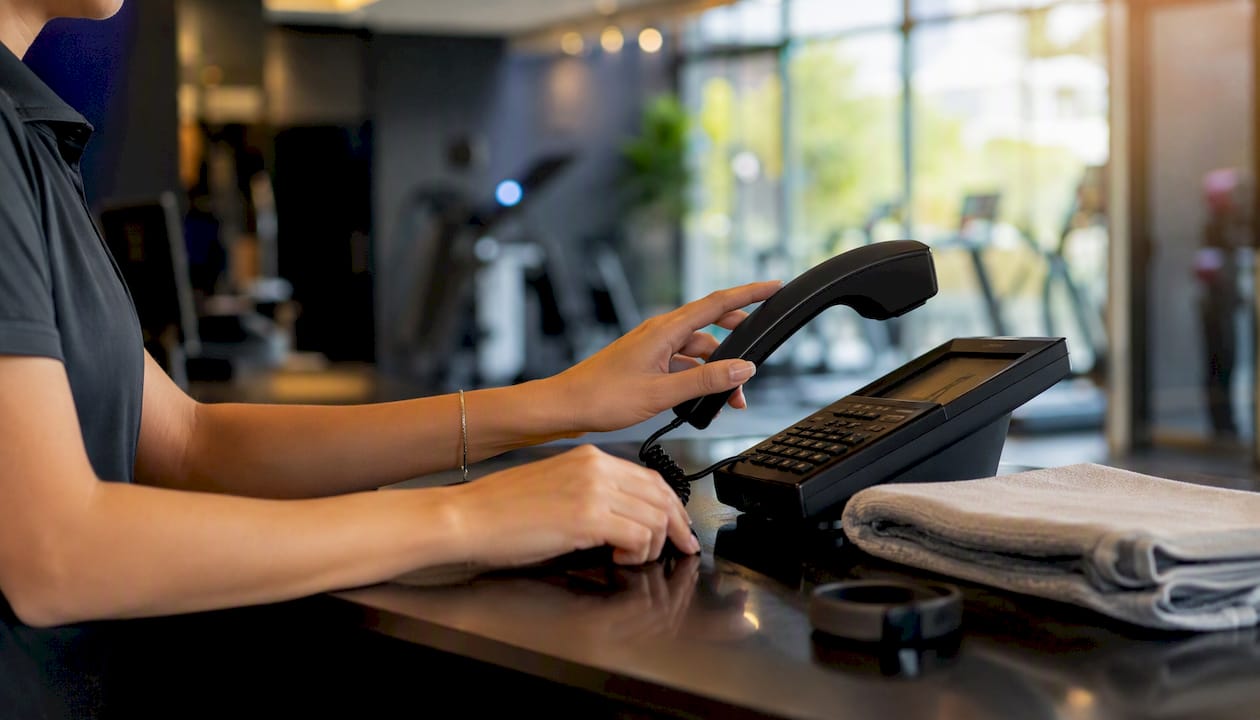
SMS and website chat should carry your Touch 1 acknowledgement. Keep the opening line short: "Hi [name], thanks for your enquiry about [gym name] — what's your main goal right now?" Anything longer reads as automated in the wrong way.
Phone calls and voice notes belong in Touch 2. A short, personal voice note referencing the lead's goal (weight loss, strength, a specific class) performs better than a generic script because it proves a human actually read their form. Accelerate Website Agency's playbook points to this kind of personalised second touch as a reliable driver of higher trial attendance, particularly for boutique or coaching-led gyms.
Email is your workhorse for confirmations, trial details, and longer nurture content. Keep subject lines specific ("Your free trial at [gym] — pick a time") rather than vague ("Just checking in").
Social DMs work best as a re-engagement channel weeks after the initial enquiry, especially if the lead originally came through Instagram or Facebook ads.
| Channel | Best use | Tone and length | Escalate to human when... |
|---|---|---|---|
| SMS | Instant acknowledgement, booking reminders | One or two sentences, casual | No reply within 24 hours |
| Website chat | Instant capture, FAQs | Conversational, quick answers | Lead asks about pricing or schedule |
| Phone call | Trust-building, objection handling | Warm, unscripted, goal-focused | Always the second or third touch |
| Voice note | Personal follow-up, higher-touch offers | 30 to 60 seconds, first name used | Lead hasn't booked after two attempts |
| Confirmations, detail, nurture | Structured but friendly | Lead replies with a question | |
| Social DM | Long-term re-engagement | Casual, low-pressure | Lead re-engages after 14+ days |
Timing matters too. Data from Zendesk's retention research supports sending follow-ups during hours when people actually check their phones, which for most gym leads means early morning, lunch, and early evening rather than mid-afternoon. Avoid stacking two automated touches on the same day; it reads as pressure rather than persistence.
Pro Tip: If a lead hasn't replied to two automated touches, don't send a third automated one. Route it straight to a human. Repetition without escalation is what makes prospects unsubscribe.
How do you qualify gym leads and book them in fast?
Qualification should take under two minutes and never feel like an interrogation. Three questions do most of the work:
- "What's your main goal right now?" This tells you whether they're a fat-loss client, a strength client, or just curious, and lets you route them to the right coach or class.
- "What days and times usually work for you?" This avoids the back-and-forth that kills momentum and lets you offer a specific slot rather than a vague "come whenever."
- "Is it okay if we text you updates about your trial?" This captures consent for ongoing SMS contact, which matters for both conversion and compliance.
Capture these as structured fields in your CRM, not free-text notes buried in a chat transcript:
- Availability (preferred days and time windows)
- Primary goal or interest (weight loss, strength, classes, rehab, etc.)
- Preferred location or session type
- Communication consent (SMS, email, call)
- Source of the lead (ad, referral, walk-in enquiry, website)
Booking itself should happen in the same conversation wherever possible. An integrated calendar that lets the lead pick a slot immediately, without waiting for a callback, removes the single biggest source of drop-off. Once booked, send an instant confirmation and a single-click reminder 24 hours before the session. Salesforce's guidance on centralising customer data points to exactly this pattern: the more the system knows about a lead already, the less friction there is in getting them booked.
Pro Tip: Ask the goal question before the availability question. Leading with "when can you come in" before you know what they want makes the conversation feel transactional. Leading with their goal makes it feel like a consultation.
What should you automate in your gym CRM?
Automate the repetitive, time-sensitive tasks. Keep the relationship-building tasks human. That split is what makes a follow-up system scale without losing its warmth.
Automate:
- Initial acknowledgement the moment a lead comes in, day or night.
- Booking confirmations and 24-hour reminders.
- Post-trial nudges asking for feedback or a membership decision.
- Re-engagement sequences for leads who've gone quiet for two or more weeks.
- Tagging and lead scoring based on source, engagement, and stated goal.
Pipedrive's guidance on retention workflows highlights how automated reminders paired with a visible contact timeline let staff pick up a conversation exactly where it left off, rather than starting cold. That timeline is what makes hand-offs between automation and staff work smoothly instead of feeling disjointed to the lead.
Design your hand-off triggers deliberately. A lead who asks about pricing, mentions a specific injury, or replies with hesitation should be flagged and routed to a person immediately, not left in the automated sequence. This mirrors the pattern Orizon Group describes for AI receptionists generally: automation owns speed and routine admin, humans own objections and closing.
Your integration checklist should run in this order:
- Ads and website forms feed directly into lead capture.
- Lead capture pushes straight into the CRM with no manual entry.
- CRM triggers the calendar for booking availability.
- SMS and email providers connect to the CRM for automated sends.
- Reporting pulls from all of the above into one dashboard.
Pro Tip: If your ad platform, website form, and CRM aren't talking to each other automatically, you're losing leads in the gaps between systems, not in your follow-up messaging. Fix the plumbing before you rewrite the scripts.
Which metrics show your follow up system is working?
Six numbers tell you almost everything about the health of your gym lead follow up process. Track them weekly, not monthly, because problems in this system compound fast if left unchecked.
Rather than chasing industry averages you can't verify, establish your own baseline in month one, then measure improvement against it. That's more honest and more useful than comparing yourself to a number pulled from a different market.
Run simple experiments once your baseline is set: test two versions of your Touch 1 SMS wording, or try sending Touch 3 at a different time of day. Change one variable at a time so you know what actually moved the number. Response time and lead-to-tour conversion tend to move fastest when you tighten SLAs, so start experiments there before touching the wording of every message in the sequence.
Put these six metrics on a weekly dashboard your whole team sees, not just something you check quarterly. A follow-up system that isn't measured weekly tends to quietly decay back into old habits within a month.
What are the biggest mistakes that lose gym leads?
Most lost leads trace back to one of five recurring failures. Each has a specific, fixable cause.
- Slow first response. The fix is a hard SLA (60 to 120 seconds for digital leads) enforced by automation, not by hoping staff check their phone.
- Single-channel outreach. Relying only on email, for example, means missing leads who never check it. The fix is a channel mix: SMS or chat for speed, calls for trust, email for detail.
- Generic, copy-paste messaging. A script that doesn't reference the lead's stated goal reads as spam. The fix is capturing that goal at intake and using a merge tag to personalise every message automatically.
- Not booking immediately. Asking a lead to "call us to arrange a time" adds friction that kills momentum. The fix is an integrated calendar that lets them book in the same conversation.
- Manual process gaps. Leads falling through because someone forgot to follow up. The fix is automation that owns the reminders, so no touch depends on someone remembering.
Staff training should focus on two things above all: how to personalise a call using the CRM notes in front of them, and how to handle the three most common objections (price, time, and "I need to think about it") without sounding scripted. A short weekly coaching session where staff role-play these objections tends to improve close rates faster than any script rewrite.
Pro Tip: Record (with consent) a handful of real follow-up calls each month and review them as a team. Nine times out of ten, the fix isn't a better script, it's a coach learning to actually listen to the objection before responding to it.
What does a ready-to-use 7-day follow up sequence look like?
Here's a complete sequence you can adapt and load into your CRM this week. Each touch includes the channel, who sends it, and its purpose.
- Day 0, SMS (automated): "Hi [first name], thanks for your interest in [gym name]! What's your main goal right now — strength, fat loss, or general fitness?" Purpose: instant acknowledgement and qualification.
- Day 1, phone call or voice note (coach): "Hi [first name], it's [coach name] from [gym name]. Saw you're keen to work on [goal] — I'd love to get you booked in for a free trial this week. What days usually work best for you?" Purpose: build trust, book the trial.
- Day 3, email (automated with personal token): Subject: "Your free trial at [gym name], [first name]." Body includes trial details, a testimonial relevant to their stated goal, and a direct booking link. Purpose: reinforce and remove friction.
- Day 5 to 7, SMS (automated): "Still keen to try [gym name], [first name]? We've got a spot open [day/time] — want me to hold it for you?" Purpose: create gentle urgency and re-offer a specific slot.
- Day 14, email or social DM (automated): "No pressure, [first name] — if now's not the right time, we'll keep you posted on upcoming classes and offers." Purpose: soft reactivation, keeps the door open without nagging.
Personalisation tokens to build into every template: first name, stated goal, preferred contact time, and the specific class or session type they showed interest in. Even this small level of merge-tag personalisation noticeably lifts reply rates compared with a fully generic template, based on the kind of instant, human-sounding outreach Handled Agency's case material associates with stronger trial conversion.
What results can you expect from a proper follow up system?
Picture a single-site gym running a manual, email-only follow-up process. Average response time sits at several hours, sometimes a full day. Lead-to-tour conversion is low, and most leads who don't reply within 48 hours are simply never contacted again.
After switching to a five-touch cadence with automated Touch 1 acknowledgement and a mandatory human call on Day 1, response time drops to minutes rather than hours. The tour booking rate rises noticeably within the first month, largely because leads who would previously have gone cold at Touch 1 are now being caught instantly and handed to a coach within 24 hours.
The biggest driver of that improvement wasn't a smarter script. It was closing the gap between enquiry and first contact, exactly the pattern Treetop Growth Strategy's operator data describes when fitness businesses recover 15 to 30% of leads previously lost to slow follow-up using AI agents that reply within 60 seconds and persist for one to two weeks. Most gyms see a measurable shift within two to three weeks of implementation, once staff are consistently working the Day 1 call.
How do you implement a gym lead follow up system in a week?
Turn this guide into a project plan your team can run in seven days.
- Day 1: Audit and set your SLA. Review your current response times and set a hard target (60 to 120 seconds for digital leads). Assign one person to own this metric.
- Day 2: Connect lead capture to your CRM. Make sure every ad platform and website form feeds directly into your CRM with no manual re-entry.
- Day 3: Build your five-touch templates. Write the SMS, email, and voice note scripts using the sequence above, and load them into your automation tool.
- Day 4: Set up calendar integration. Confirm leads can book a trial slot directly from a link in Touch 1 or Touch 2, with automatic confirmation and reminders.
- Day 5: Train staff on the Day 1 call. Run a short role-play session covering the three qualification questions and the three most common objections.
- Day 6: Launch the sequence live. Turn on automation for new leads only, so you're not retroactively messaging old enquiries out of context.
- Day 7: Review and monitor. Check response times, first bookings, and any lead replies that need human escalation.
Assign each day to a named owner, not "the team" generally. A minimal acceptable result for Day 1, for example, is a written SLA and one person accountable for it, not a perfect dashboard. Common launch mistakes include turning on automation for your entire existing lead database at once (it feels sudden and impersonal to people who enquired weeks ago) and skipping staff training because "the scripts are self-explanatory."
- Assign a single SLA owner before touching any templates.
- Test the full sequence on a dummy lead before going live.
- Launch to new leads only, not your entire historical list.
- Review week one metrics together as a team, not just individually.
Where does an AI receptionist fit into your follow up cadence?
An AI receptionist like Talk2Aiva is built to own exactly the parts of this cadence that are hardest for a small gym team to staff consistently: instant capture, qualification, and booking, 24 hours a day. It answers the phone, replies to website chat, and responds to SMS and social messages the moment a lead reaches out, day or night, then asks the qualifying questions and books the trial directly into your calendar.
That covers Touch 1 and much of Touch 3 through Touch 5 reliably, every single time, without depending on whoever happens to be free on the gym floor. Reminders and post-trial nudges run automatically too, which is where most manual systems quietly break down.
Onboarding with Talk2Aiva involves setup and training on your specific services, classes, and pricing, building the workflows that match your cadence, a live launch, and ongoing optimisation and technical support as your gym's needs change. You're not left to configure an AI tool alone.
The sensible approach is hybrid, not fully automated. Let automation own speed-to-lead and routine qualification; keep your coaches and sales staff on Touch 2, objection handling, and closing. That mirrors the pattern Orizon Group's insights on AI receptionists describe: AI handles volume and consistency, humans handle trust and the final decision.
Pro Tip: Don't try to automate the Day 1 personal call away entirely. Even the best AI-driven speed-to-lead system works best when it hands a warm, qualified lead to a real coach within 24 hours, not when it tries to close the sale itself.
Speed matters, but culture decides whether it lasts
Every gym I've looked into that struggles with lead follow up has the same root problem: the system exists on paper but nobody's actually accountable for running it. You can build the perfect five-touch cadence, connect every integration on the checklist, and still watch it decay within a month if no one owns the daily discipline of checking response times.
Start smaller than you think you need to. Fix your SLA first, measure it for two weeks, then add the next layer. Gyms that try to launch the full cadence, the CRM automations, and staff training all in the same week tend to abandon half of it within a month because nothing got properly tested before going live.
The technology side of this is now genuinely solved. Speed-to-lead automation, CRM triggers, and instant booking links are all mature, reliable tools. What's far less solved is staff buy-in. A coach who sees automated follow-up as "the system's job" rather than "my lead to close" will let warm prospects go cold regardless of how good your Day 1 SMS is. The gyms that convert best treat automation as the thing that hands them a warm, ready lead, not the thing that replaces their job of building a relationship with it.
If you take one thing from this guide, make it this: measure before you optimise. You cannot fix a follow-up system you haven't actually watched fail first.
How Talk2Aiva helps you act on this today
Every fix in this guide, faster first response, consistent five-touch follow-up, immediate booking, depends on someone or something being available the moment a lead reaches out. That's the exact gap Talk2Aiva is built to close for gyms and other service businesses that can't staff a phone or chat inbox around the clock.
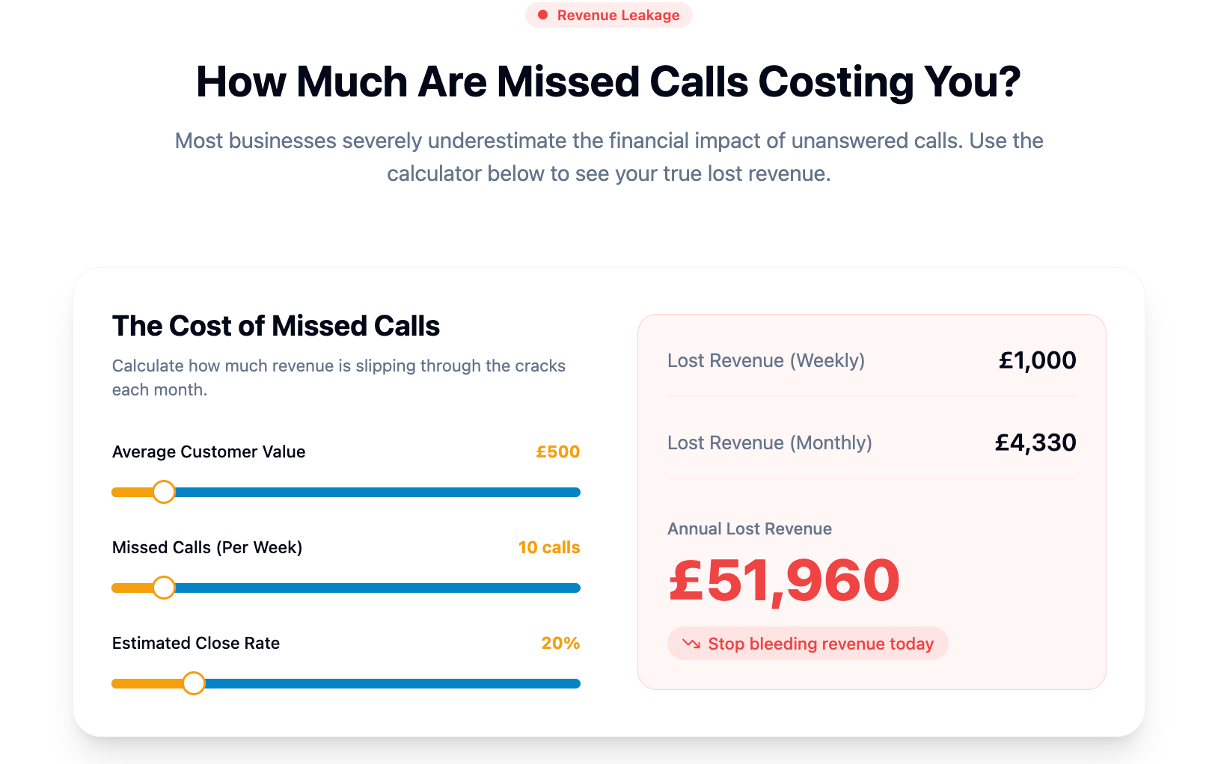
Talk2Aiva works as your AI receptionist across calls, SMS, website chat, and social messages, capturing and qualifying every enquiry the second it arrives, then booking it straight into your calendar with automated reminders and follow-ups afterwards. Setup includes training the AI on your specific classes, pricing, and tone, building the workflows to match a cadence like the one in this guide, and a live launch with ongoing support included, so you're not left configuring automation alone or guessing whether it's working.
If you enquire, expect a walkthrough of how the system would handle your actual lead volume, a realistic setup timeline, and a clear view of what your team keeps doing versus what gets automated. You can see how it works for your gym and get a sense of what the first two weeks of implementation would actually look like.
Frequently asked questions about gym lead follow up
How fast should a gym respond to a new lead? Aim for 60 to 120 seconds for leads from ads or website forms, and under 10 minutes for inbound calls during opening hours. Outside those hours, an automated instant reply followed by a human callback the next business day is the realistic standard.
How many follow-up touches does a gym lead usually need? Five touches spread across roughly 30 days covers most cases: an instant automated acknowledgement, a personal call within 24 hours, a detailed follow-up within three days, a nudge within a week, and a reactivation message after two weeks.
What's the difference between gym lead nurturing and gym lead follow up? Follow up refers to the immediate contact and booking process after an enquiry. Nurturing is the longer sequence that keeps leads warm over weeks or months if they don't convert straight away, and the two work together in the Accelerate and Automate stages.
Can AI handle gym lead follow up on its own? AI handles speed, qualification, and booking reliably around the clock, but objection handling and closing convert best with a human coach involved. A hybrid approach, automation for the first response and human staff for the Day 1 call, tends to perform better than either extreme.
What should gyms avoid when texting or emailing leads? Avoid generic, copy-paste messages that don't reference the lead's stated goal, and avoid asking leads to call in to book rather than offering a direct booking link. Both create unnecessary friction that costs conversions.
Sources
- The short life of online sales leads — Harvard Business Review
- How to use AI for gym lead nurture — Treetop Growth Strategy
- What is customer retention? Metrics, benchmarks, and strategies — Zendesk
- Customer retention strategies — Salesforce