
The most effective way to follow up lapsed grooming clients is a structured, multi-touch sequence that leads with value, uses breed-specific timing, and runs across SMS, email, and phone. A significant portion of lapsed grooming clients contacted with a relevant message will re-engage, yet the vast majority of grooming businesses have no system to make that happen. The good news: reactivating a lapsed client costs a fraction of acquiring a new one, and the revenue recovery is immediate.
Start with these core principles before you send a single message:
- Define "lapsed" by breed interval, not a fixed calendar date. A Poodle is overdue at eight weeks; a Labrador may not need attention for twelve. Applying a flat trigger to every client wastes outreach on clients who are not yet due and misses those who genuinely are.
- Lead with value, not discounts. Your first message should highlight something new: extended hours, a new service, a seasonal treatment. Clients who drifted away respond to relevance. Reserve modest incentives for your second or third contact.
- Use multiple touchpoints in a sequence across channels. A single message rarely breaks through. Space contacts over time, escalating from a friendly check-in to a time-limited offer, then a warm final note.
- Personalise using client data. Reference the pet's name, last visit date, and breed in every message. Generic outreach signals that you do not remember them.
- Check for unresolved complaints first. Any client with an open issue needs a personal call before they enter any automated sequence.
Pro Tip: Automate your follow-up sequences using a tool like Talk2Aiva so every lapsed client receives a timely, personalised message without you lifting a finger. Consistency is what turns a good strategy into reliable revenue.
Why timely follow-up protects your grooming business revenue
The window for re-engaging a lapsed client closes faster than most groomers realise. Clients contacted early, while the relationship is still warm, convert at a far higher rate than those reached months later. Wait too long and you are no longer doing a follow-up; you are doing re-acquisition from scratch.
The financial case is straightforward. Reactivating a lapsed client costs considerably less per recovered visit than acquiring a new one, generating meaningful immediate revenue for a mid-size grooming business when a portion of lapsed clients are recovered. That is not a marketing campaign; that is money already sitting in your client list.
Poor follow-up creates a compounding problem:
- Lost recurring revenue from clients who simply drifted and would have returned with a nudge.
- Wasted acquisition spend replacing clients you could have kept for a fraction of the cost.
- Reputation risk when ignored clients assume you do not care and leave negative reviews.
- Competitor gain as other local groomers pick up the clients you failed to contact.
The single biggest cause of client loss is not price or service quality. Most lost grooming clients fail to rebook because the groomer never initiates the next booking conversation. Asking for the next appointment at checkout, when the client is satisfied and the dog looks great, is the highest-impact retention habit in the business.
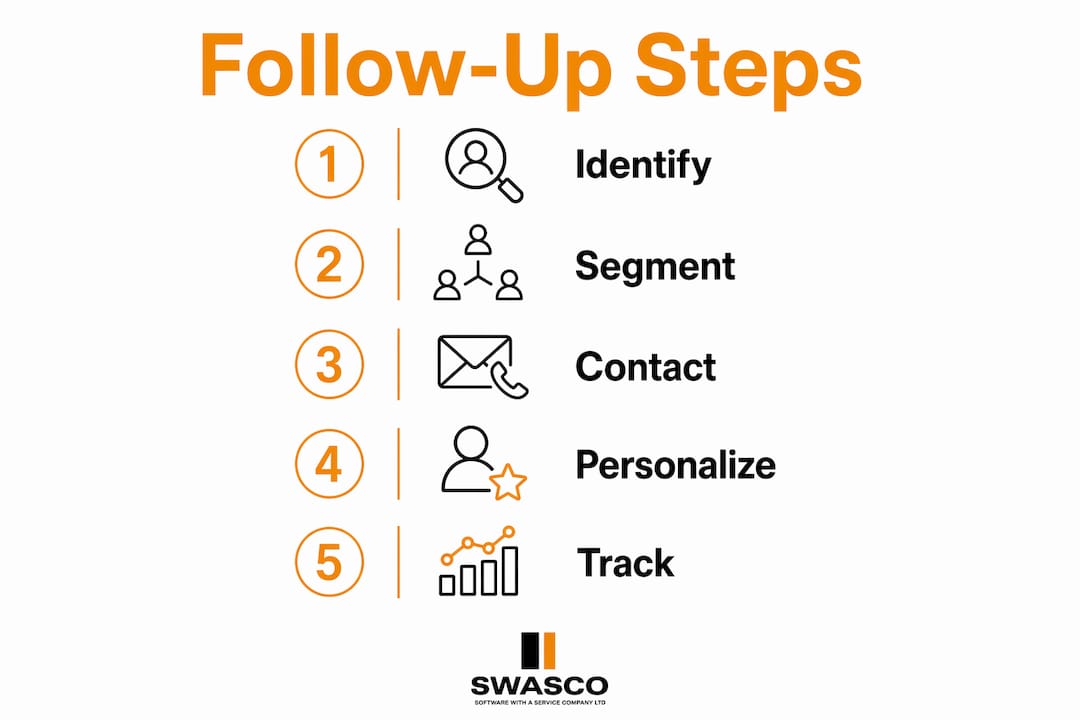
A practical follow-up checklist with timing guidance
Timing your outreach to breed-specific grooming cycles makes every message more relevant and less likely to feel intrusive. Use this checklist as your standard workflow.
At checkout (Day 0)
- Offer to book the next appointment immediately.
- Confirm satisfaction before the client leaves.
- Record the visit date, breed, and service in your client record.
Day 7 post-visit
- Send a brief satisfaction check-in via SMS or email.
- No rebooking push yet; just confirm they are happy.
At the breed-specific interval reminder window
- Send a friendly reminder that their pet is approaching their next recommended groom.
- Reference the pet's name and breed interval in the message.
60 days past recommended interval (lapsed trigger)
- Send a personalised SMS with a breed-specific message and a direct booking link.
- This is the point where automated multi-channel sequences typically recover about 33% of lapsed grooming clients, based on industry studies.
90 days past interval
- Follow up by email with a modest welcome-back incentive, framed as a reward rather than an apology.
120 days past interval
- Final touch: a warm, no-pressure message leaving the door open, or a bundled service offer.
- If no response, mark as inactive and remove from active outreach.
| Breed type | Typical grooming interval | Lapsed trigger |
|---|---|---|
| Poodle / Doodle | 8 weeks | 12 weeks |
| Cocker Spaniel | 8 weeks | 12 weeks |
| Bichon Frise | 8 weeks | 12 weeks |
| Border Collie | 8 weeks | — |
| Labrador / Retriever | 10 weeks | 20–24 weeks |
| Shih Tzu | 8 weeks | 12 weeks |
Before any client enters your sequence, check their record for unresolved complaints. Automated "we miss you" messages sent to unhappy clients frequently result in blocked numbers or public negative reviews. Handle complaints personally first, then re-enrol them once the issue is resolved.

Rebooking message templates that actually work
The tone of your messages determines whether clients feel valued or pressured. Keep every message short, warm, and specific to the individual pet.
First touch (no discount, value-led):
Second touch (one week later, modest incentive):
Third touch (final, door-stays-open):
A few communication tips worth keeping in mind:
- Vary your channel by touch. SMS for the first contact, email for the incentive message, and a personal phone call for your highest-value lapsed clients.
- Keep messages under 160 characters for SMS. Longer messages get truncated or ignored.
- Always include a direct booking link. Friction kills conversions.
- GDPR compliance is non-negotiable. Under UK GDPR, you may contact existing clients for legitimate business purposes, but you must honour opt-outs immediately and never contact anyone who has asked to be removed from your list. Keep your consent records up to date.
Pro Tip: For your top 10–20 highest-value lapsed clients, skip the automated sequence and make a personal call. A genuine human conversation converts far better than any template for clients who spent the most with you.
Common challenges in client follow-up and how to fix them
Most groomers know they should follow up more consistently. The problem is execution. Here are the obstacles that come up most often, and what to do about them.
Manual workload is unsustainable. Personalising messages for every lapsed client by hand is not realistic at scale. The solution is retention automation that applies breed-specific logic and sends messages automatically when a client crosses their lapse threshold.
Poor segmentation wastes effort. Sending the same message to a client who lapsed due to a pricing concern and one who simply forgot to rebook will not work for either. Segment your lapsed list by likely lapse reason: price sensitivity, service dissatisfaction, life change, or simple drift. Each group needs a different angle.
Discount overuse damages margins. Leading every follow-up with a discount trains clients to lapse deliberately to earn one. Reserve incentives for the second or third touch, and keep them modest. A 10–15% welcome-back offer is enough; a deep discount signals desperation.
Ignoring unresolved complaints. Sending cheerful re-engagement messages to clients who had a bad experience is one of the fastest ways to earn a one-star review. Always resolve complaints with a personal call before any automated outreach begins.
No tracking means no improvement. Recording the outcome of every contact — rebooked, no answer, declined, unsubscribed — lets you refine your sequences over time. Without that data, you are guessing. Track reactivation rate monthly and adjust your messaging or timing when it drops.
How Talk2Aiva helps you automate client follow-up at scale
Doing all of this manually is where most grooming businesses fall short. The strategy is clear; the bottleneck is time. Talk2Aiva by SWASCO solves that bottleneck directly.
Talk2Aiva is an AI-driven receptionist and revenue recovery system built for service businesses, including grooming salons, developed by a leading custom CRM development agency. It handles personalised, multi-channel follow-up automatically, so every lapsed client receives a timely, relevant message without you having to manage a spreadsheet or remember who is overdue.
Here is what that looks like in practice:
- Automated lapsed-client sequences triggered by breed-specific intervals, not arbitrary dates.
- Multi-channel delivery across SMS, email, and phone, with the right message at the right time.
- CRM integration that pulls client history, pet name, last visit date, and service preferences into every message.
- 24/7 engagement, so a client who clicks your booking link at 10pm on a Sunday gets an instant response, not a missed opportunity.
- Ongoing optimisation and technical support included, so the system improves over time without extra work from you.
Grooming businesses using AI-driven follow-up consistently recover clients who would otherwise have been written off as lost. The automation of grooming growth is no longer a luxury for large chains; it is the practical edge that independent groomers use to compete and retain clients without burning out.
Pro Tip: Talk2Aiva integrates with your existing booking system, so there is no need to rebuild your workflow from scratch. Setup, training, and launch are all guided, with support included throughout.
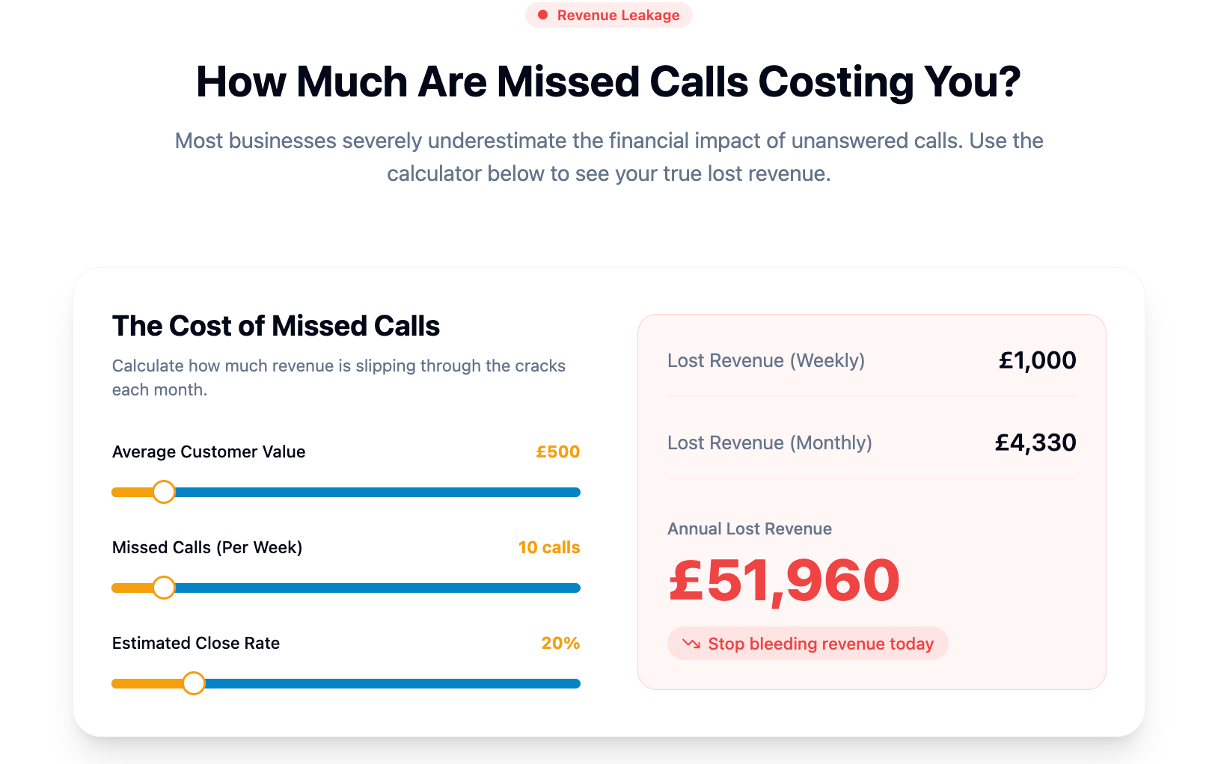
Stop losing revenue from lapsed clients. Talk2Aiva handles your follow-up automatically, so you can focus on the grooming. See how it works and get your client recovery system running today.
Key takeaways
Recovering lapsed grooming clients requires breed-specific timing, a multi-touch sequence that leads with value before incentives, and consistent tracking to refine what works.
| Point | Details |
|---|---|
| Define lapsed by breed interval | Use breed-specific grooming cycles as your lapse trigger, not a flat calendar date. |
| Lead with value, not discounts | First contact should highlight new services or updates; reserve incentives for the second touch. |
| Use multiple touchpoints in a sequence | Multi-touch sequences across SMS, email, and phone recover about 33% of lapsed clients, far more than a single message. |
| Reactivation costs far less | Reactivating a lapsed client costs considerably less per recovered visit than acquiring a new one. |
| Automate to stay consistent | Tools like Talk2Aiva apply breed logic and send personalised messages automatically, removing the manual workload. |