
The average conversion rate from a portal enquiry to a physical viewing sits under 5% due to response delays that routinely exceed four hours. That single statistic defines the core problem for estate agents and property managers trying to capture leads from property portals. The industry term for this process is "portal lead capture," and it covers everything from the moment a buyer submits an enquiry to the point where your CRM holds a qualified, followed-up contact. Automation and intent-based engagement are the two mechanisms that close the gap between a missed enquiry and a booked viewing.
What tools do you need to capture leads from property portals automatically?
Portal lead capture starts with your CRM. Without a CRM that accepts automated data from portals, every enquiry lands in an email inbox and waits for a human to act. That wait is where leads die.
The two most common integration methods are webhooks and email parsers. A webhook sends lead data directly from the portal to your CRM the moment an enquiry is submitted. An email parser reads the notification email and extracts the contact details automatically. Connecting portals via webhooks or email parsers takes approximately three minutes per portal and automates lead record creation with correct source tagging. That source tagging is not optional. Without it, you cannot measure which portals generate your best leads or justify your portal spend.

Integration methods compared
| Method | Setup complexity | Key benefit |
|---|---|---|
| Webhook | Low to medium | Real-time data transfer, no email dependency |
| Email parser | Low | Works with any portal that sends notification emails |
| Native CRM connector | Very low | Pre-built, maintained by the CRM vendor |
| Manual entry | None required | No automation, high error rate, not recommended |
Source attribution matters beyond ROI tracking. When your CRM records which portal generated each lead, you can segment follow-up sequences by source. A buyer from a premium listing portal may need a different message than one from a rental aggregator. Tracking lead sources also reveals whether your portal spend is producing results or simply generating noise.
- CRM with portal integration: Choose a CRM that accepts webhooks or has native connectors for the portals you use.
- Email parser tool: Set up rules to extract name, phone, email, and property reference from every portal notification.
- Source tagging rules: Create a field in your CRM for lead source and populate it automatically on every record.
- Deduplication logic: Prevent the same enquirer from creating multiple records when they contact you across portals.
Pro Tip: Run a weekly audit of your CRM for leads with no source tag. Any untagged record represents a gap in your integration and a blind spot in your ROI reporting.
How can agents use intent data to prioritise and convert portal leads?
Capturing a name and phone number is the starting point, not the finish line. Capturing contact information alone is insufficient; intent signal capture via engagement widgets enables informed conversations and better lead quality.
Intent data is the record of what a buyer did before and after submitting an enquiry. Redirecting portal visitors to branded property pages with interactive tools captures these signals. A buyer who uses a mortgage calculator, downloads a floor plan, and books a viewing slot has demonstrated far more commitment than one who simply submitted a contact form. Mortgage calculator use adds 20 intent points in a standard intent scoring model, placing that buyer at the top of your call list.
Intent scoring works by assigning a point value to each buyer action. Common actions and their signals include:
- Mortgage calculator use: High intent. The buyer is modelling affordability for a specific property.
- Floor plan download: Medium to high intent. The buyer is assessing layout suitability.
- Viewing booking: Highest intent. The buyer is ready to commit time.
- Multiple property views in one session: Medium intent. The buyer is actively comparing options.
- Return visit within 48 hours: High intent. The buyer has come back to reconsider.
Tracking specific buyer actions on engagement widgets informs agents on lead readiness and improves call effectiveness. When you call a buyer knowing they viewed the floor plan twice and ran the mortgage calculator, you open with context rather than a cold introduction. That shift alone changes the tone of the conversation.
Pro Tip: Set a threshold score, for example 40 points, that triggers an immediate alert to the agent. Leads above the threshold should receive a call within five minutes, not five hours.
For agents who want a broader view of how SEO and lead workflows interact, combining intent data with organic search strategy produces a compounding effect on lead quality over time.
What is the step-by-step process to automate lead response and convert enquiries into viewings?
Speed is the single biggest lever in real estate lead conversion. Responding within 60 seconds dramatically improves the chance of securing a viewing. The following process removes human delay from the critical first minutes after an enquiry arrives.
-
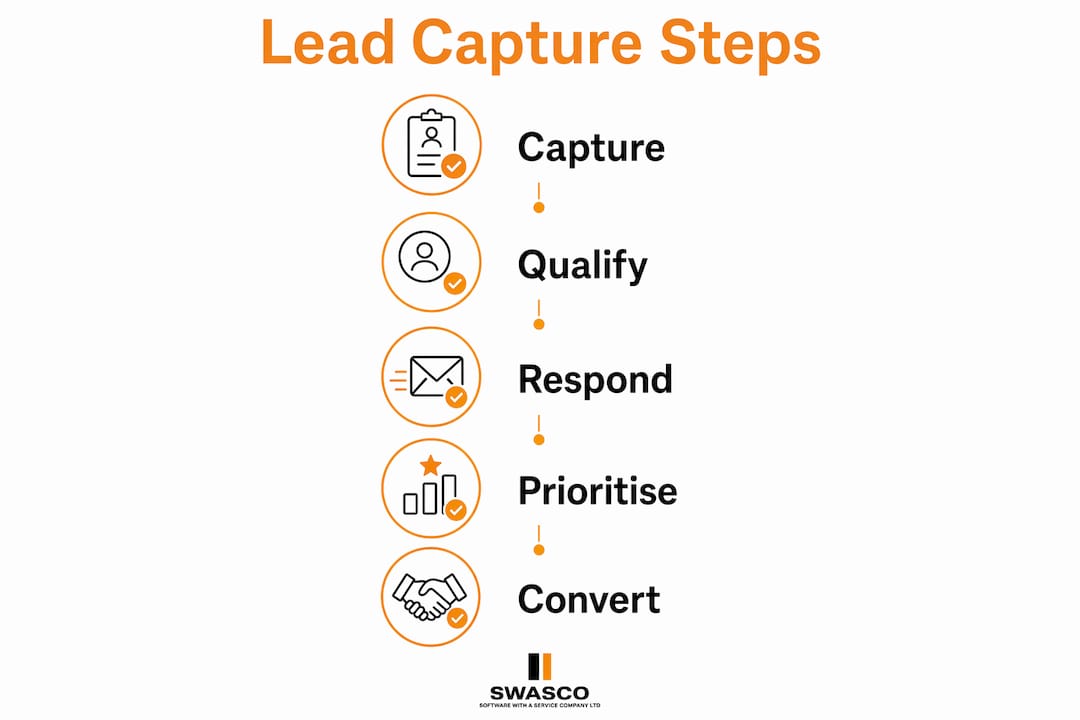
Lead capture and CRM record creation. The portal sends the enquiry via webhook. Your CRM creates a contact record, tags the source, and assigns the lead to the correct agent or pipeline stage. This happens in under 30 seconds with no manual input.
-
Automated personalised acknowledgement. Within 30 seconds of the enquiry, an automated message via WhatsApp, SMS, or email goes to the buyer. The message includes the property address, a summary of key details, and a direct booking link for a viewing. Personalisation uses the buyer's first name and the specific property they enquired about.
-
Viewing scheduling and confirmation. The buyer clicks the booking link and selects a time from your live calendar. The system sends a confirmation to both the buyer and the agent. No phone tag, no back-and-forth email chains.
-
Follow-up sequence for non-bookers. If the buyer does not book within two hours, an automated follow-up message goes out. If there is still no response after 24 hours, a second follow-up triggers. Routing portal leads into CRM nurture sequences improves the chances of a live conversation even when the buyer is not ready to act immediately.
-
Agent alert for high-intent leads. When a lead's intent score crosses your threshold, the system sends a real-time alert to the agent with the buyer's name, score, and the actions they took. The agent calls with full context.
Pro Tip: Use a different message template for rental enquiries versus sales enquiries. Rental buyers move faster and respond better to availability-focused messages. Sales buyers respond better to value and lifestyle cues.
For a deeper look at qualifying leads automatically, the same automation logic applies across both portal and direct website enquiries.
What mistakes do agents make when capturing leads from portals?
The most common failure is leaving portal enquiries in an email inbox. Agents lose up to 25% of leads when enquiries remain only in email without CRM automation and without source tagging for ROI analysis. That is one in four potential viewings disappearing before anyone picks up the phone.
Relying on email notifications alone means your lead pipeline is only as reliable as the person who checks their inbox. When that person is on a viewing, at lunch, or simply busy, the lead goes cold. Automation removes the human bottleneck entirely.
Other frequent mistakes include:
- No source tagging: Agents cannot measure which portals produce the best leads, so they renew subscriptions based on gut feeling rather than data.
- Generic follow-up messages: Sending the same template to every enquirer regardless of property type or buyer stage produces low response rates.
- Overreliance on portals: Balancing portal leads with owned channels improves business sustainability. Portals can change their algorithms, pricing, or terms at any time. Agents who own their audience through an IDX-enabled website are insulated from that risk.
- No follow-up after the first message: Most buyers do not respond to the first contact. A structured follow-up sequence is not optional; it is the difference between a 5% and a 15% conversion rate.
For a full breakdown of response time mistakes and how to fix them, the pattern is consistent: the longer the delay, the lower the conversion.
Key takeaways
Effective portal lead capture requires CRM integration, intent scoring, and automated response within 60 seconds to prevent the majority of enquiries from going cold.
| Point | Details |
|---|---|
| Integrate portals with your CRM | Use webhooks or email parsers to create lead records automatically with source tagging. |
| Score buyer intent | Assign points to buyer actions like calculator use and floor plan downloads to prioritise follow-up. |
| Automate the first response | Send a personalised message with a booking link within 30 seconds of every enquiry. |
| Build a follow-up sequence | Trigger automated messages at two hours and 24 hours for leads that do not book immediately. |
| Own your audience | Balance portal leads with an IDX-enabled website to reduce dependency on third-party platforms. |
Why I think most agents are solving the wrong problem
James Paul here. After working with estate agents and property managers across the UK, the pattern I see most often is this: agents invest heavily in portal listings and then treat the enquiry as the end of the process. They wait for the phone to ring. The enquiry is not the end. It is the beginning of a race you are almost certainly losing if you are not responding within two minutes.
The agents who convert best are not necessarily the ones with the most portal exposure. They are the ones who follow up property leads systematically and treat every enquiry as a time-sensitive asset. I have seen agents double their viewing rates simply by cutting response time from four hours to under five minutes, with no change to their listing quality or portal budget.
The second thing I would push back on is the idea that portals are a long-term strategy. They are a rented audience. The portal owns the relationship until the buyer contacts you. Once that enquiry arrives, your job is to move the buyer off the portal and into your own system as quickly as possible. Agents who build owned website audiences alongside their portal presence are far less exposed to portal pricing changes and algorithm shifts. The technology to do all of this exists and is not expensive. The barrier is almost always workflow, not budget.
— James Paul
How Talk2Aiva helps agents stop losing portal leads
Estate agents and property managers who implement the strategies above still need the right technology to run them reliably. Talk2Aiva by SWASCO is built for exactly this situation.
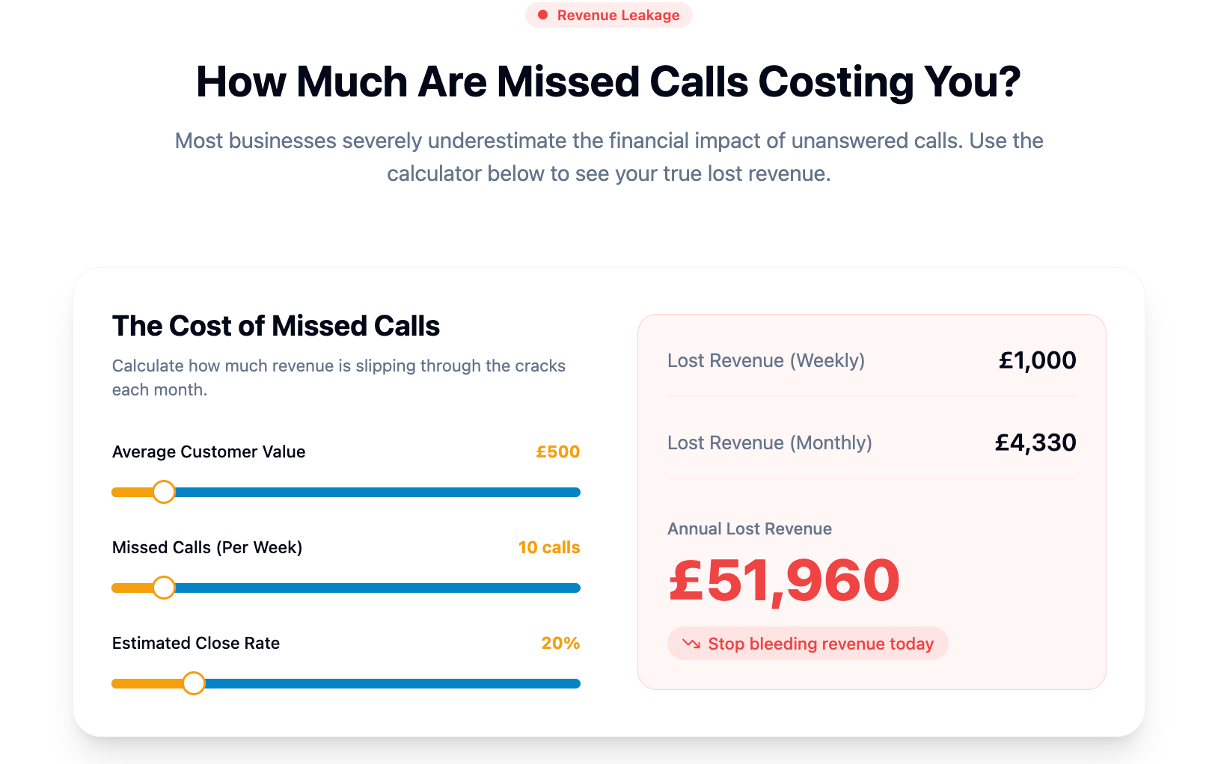
Talk2Aiva's Voice AI and automation platform captures portal enquiries, creates CRM records, sends personalised responses via SMS, WhatsApp, or email within 30 seconds, and books viewings automatically. The system runs 24 hours a day, seven days a week, so no enquiry goes unanswered outside office hours. Setup, AI training, and ongoing support are all included. You focus on viewings and valuations. Talk2Aiva handles the rest. See how it works and find out how quickly it can be live for your agency.
FAQ
What does it mean to capture leads from property portals?
Portal lead capture is the process of automatically collecting buyer and tenant enquiries from listing sites into a CRM, tagging their source, and triggering an immediate follow-up sequence without manual input.
How quickly should agents respond to portal enquiries?
Agents who respond within 60 seconds dramatically improve viewing conversion rates. The industry average response time exceeds four hours, which is the primary reason portal conversion rates sit below 5%.
What is intent scoring in real estate lead generation?
Intent scoring assigns point values to buyer actions such as mortgage calculator use, floor plan downloads, and viewing bookings. High-intent leads are prioritised for immediate agent follow-up based on their total score.
How do I connect a property portal to my CRM?
Use a webhook or email parser to send enquiry data directly to your CRM the moment it arrives. CRM integration for agents covers the setup process in detail, including source tagging rules.
Why should agents not rely solely on property portals for leads?
Portals own the audience until the buyer contacts you. Agents who balance portal leads with an IDX-enabled website own their audience data and are protected from portal pricing or algorithm changes.